




Trend
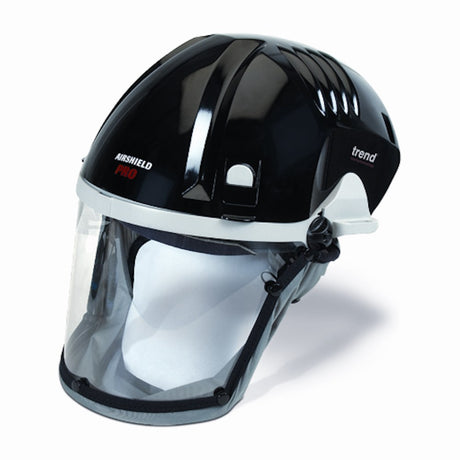
Trend Airshield Pro Respirator Face Shield Dust Mask Set Battery Powered
$899.00Unit price /UnavailableIn stock
Trend
Trend Air Pro Max Ear Defenders for Airshield Pro Respirator Face Shield Dust Mask
$94.90Unit price /UnavailableIn stock-
Trend
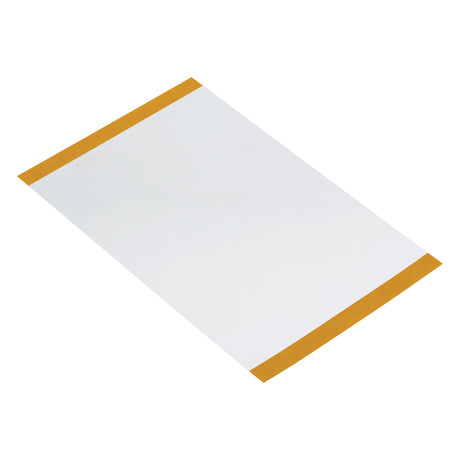
Trend Clear Visor for Airshield Pro Respirator Face Shield Dust Mask Pack of 10
$70.90Unit price /UnavailableIn stock -
![Trend Pro Mesh Random Orbital Sanding Discs 125mm Pack of 5]()
![Trend Pro Mesh Random Orbital Sanding Discs 125mm Pack of 5]()
![Trend Pro Mesh Random Orbital Sanding Discs 125mm Pack of 5]()
![Trend Pro Mesh Random Orbital Sanding Discs 125mm Pack of 5]()
![Trend Pro Mesh Random Orbital Sanding Discs 125mm Pack of 5]()
![Trend Pro Mesh Random Orbital Sanding Discs 125mm Pack of 5]()
![Trend Pro Mesh Random Orbital Sanding Discs 125mm Pack of 5]()
Trend
Trend Pro Mesh Random Orbital Sanding Discs 125mm Pack of 5
$11.90Unit price /UnavailableIn stock -
Trend
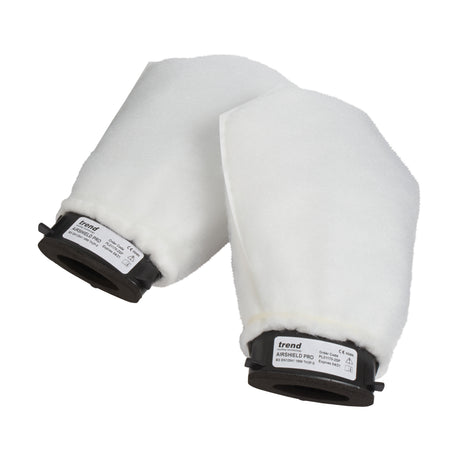
Trend Filters for Airshield Pro Respirator Face Shield Dust Mask Pack of 2
$118.90Unit price /UnavailableIn stock -
-
-

Trend
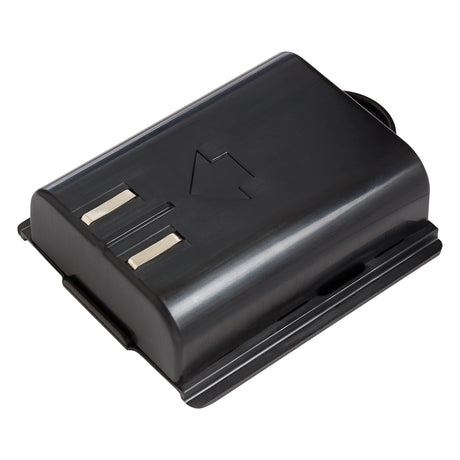
Trend Battery for Airshield Pro Respirator Face Shield Dust Mask 8 Hour Battery Life
$134.90Unit price /UnavailableIn stock -
![Trend Random Orbital Sanding Discs 125mm Pack of 10]()
![Trend Random Orbital Sanding Discs 125mm Pack of 10]()
![Trend Random Orbital Sanding Discs 125mm Pack of 10]()
![Trend Random Orbital Sanding Discs 125mm Pack of 10]()
![Trend Random Orbital Sanding Discs 125mm Pack of 10]()
![Trend Random Orbital Sanding Discs 125mm Pack of 10]()
![Trend Random Orbital Sanding Discs 125mm Pack of 10]()
Trend
Trend Random Orbital Sanding Discs 125mm Pack of 10
From $13.50Unit price /UnavailableIn stock -
-
-
![Trend Aluminium Oxide Sandpaper Rolls 115mm x 5m]()
![Trend Aluminium Oxide Sandpaper Rolls 115mm x 5m]()
![Trend Aluminium Oxide Sandpaper Rolls 115mm x 5m]()
![Trend Aluminium Oxide Sandpaper Rolls 115mm x 5m]()
![Trend Aluminium Oxide Sandpaper Rolls 115mm x 5m]()
Trend
Trend Aluminium Oxide Sandpaper Rolls 115mm x 5m
From $23.50Unit price /UnavailableIn stock -
Sold out
Trend
Trend Benchtop Mitre Saw Roller Stand Adjustable 62kg Capacity
$106.90Unit price /Unavailable -
-
-
![Trend 10 x 50mm Wooden Dowels]()
![Trend 10 x 50mm Wooden Dowels]()









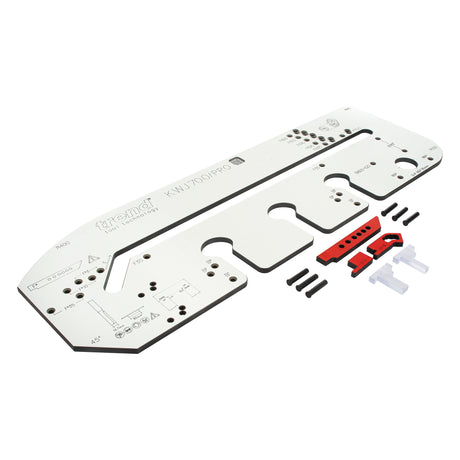



Trend Woodworking Solutions
Trend’s woodworking range is engineered for trade professionals and serious enthusiasts who need accuracy, durability and repeatable results. From precision router cutters to heavy-duty routing jigs, saw blades, abrasives, joinery solutions and respirators, the catalogue covers every stage of the woodworking process. Whether you are profiling edges, cutting joinery, fitting kitchens, installing doors or at the final sanding stage, the range is designed to improve efficiency while maintaining a clean, professional finish.
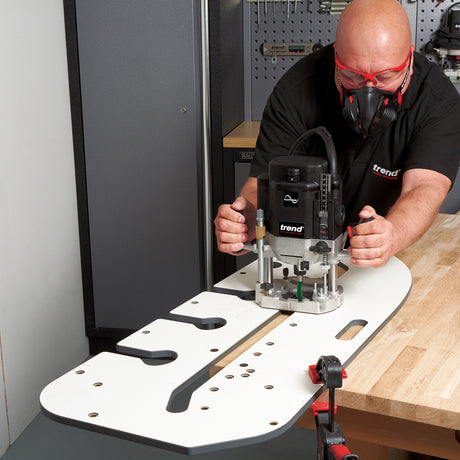
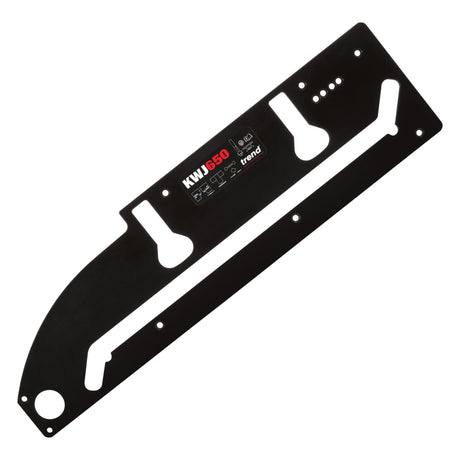
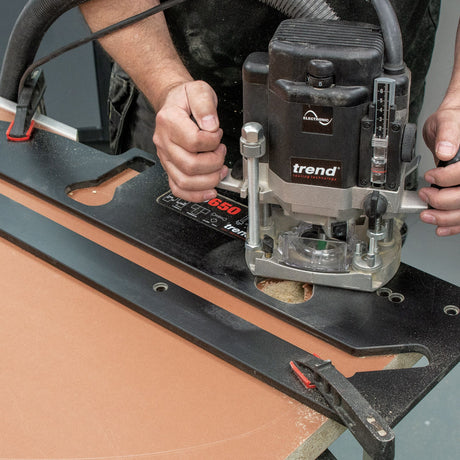
Trend offers circular saw blades to suit timber, laminates, aluminium and plastics, professional routing jigs for worktops, hinges and dovetailing systems, abrasives for machine and hand sanding, and precision router cutters and sub-bases. These systems are designed to work together, supporting accurate machining, effective dust control and a safer working environment. Purpose-built jigs reduce set-up time and measurement errors, helping you complete installations faster and with greater confidence.
For workshops focused on productivity, PPE, precision measuring tools and compatible accessories ensure a complete workflow solution. From small cabinetry projects to large-scale site installations, Trend's cutter geometry, blade tooth configuration and jig systems allow you to achieve clean cuts, reduced tear-out and see consistent results across hardwood, softwood, plywood, MDF and composite materials.
FAQs
How do I choose the right circular saw blade for my material?
Blade selection depends on your saw specifications, cut and material type, and desired finish. Fewer teeth are suited to fast rip cuts in solid timber, while higher tooth counts produce smoother crosscuts and cleaner results in plywood, MDF and laminates. Specialist blades are recommended for aluminium, plastics and HPL to reduce chipping and extend blade life.
How do I maintain router cutters and saw blades for longer life?
Keep cutters and blades clean by removing resin build-up with appropriate cleaning solutions, store them in protective cases, and avoid overheating by using correct speeds and feed rates. Sharp tooling reduces tear-out, lowers strain on motors and delivers a safer, higher-quality finish.
What are the benefits of using a dedicated worktop jig?
Worktop jigs ensure precise alignment for mitre joints, bolt recesses and masons’ mitres. They reduce measuring errors, improve repeatability and allow clean, accurate joints even on out-of-square walls. Adjustable systems accommodate different worktop widths and inset configurations for professional kitchen installations.
What grit should I use when sanding timber projects?
Start with a coarse grit (40–80 grit) to remove material quickly or level uneven surfaces. Move to medium grits (120–180 grit) for smoothing and preparation before finishing. For final surface preparation prior to staining or oiling, use fine to extra-fine grits (240–400 grit). Progressing gradually through the grits helps minimise swirl marks and produces a more professional finish.
What is the difference between aluminium oxide and mesh abrasives?
Aluminium oxide abrasives are durable and suitable for general-purpose sanding on timber, MDF and painted surfaces. Mesh abrasives feature an open net structure that allows superior dust extraction across the entire surface. This reduces clogging, extends abrasive life and improves visibility when sanding large panels or resinous timbers.
What are router guide bushes used for?
Router guide bushes (also called template guides or bushings) allow a router to follow a template or jig accurately. The bush sits in the router’s base and guides the cutter along a fixed edge, making them essential for hinge recessing, inlay work, lettering templates, dovetails and lock installations.
Why would I need a router sub-base?
A router sub-base increases stability and improves compatibility with guide bushes and jigs. It can provide a larger bearing surface for better balance, clearer visibility of the cutter, and precise centring. Some sub-bases are designed to accept industry-standard guide bushes, expanding the router’s versatility.
How do I centre a router cutter within a guide bush?
Accurate centring is critical when using templates. A centring cone or alignment tool is typically inserted into the collet and passed through the guide bush opening before tightening the sub-base screws. This ensures the cutter runs perfectly concentric with the bush, preventing uneven cuts and template inaccuracies.
What are Zipbolt connectors used for in woodworking?
Zipbolt connectors are mechanical fastening systems commonly used in worktop joints, benchtop installations and knock-down furniture. They provide strong, concealed clamping force and can be tightened with a standard hex driver. This makes them ideal for site installations where access may be limited.
How do domino-style floating tenon joints compare to biscuits?
Domino-style floating tenons create a stronger structural joint than biscuits because they offer greater glue surface area and deeper timber engagement. They are well suited to furniture frames, doors and load-bearing assemblies. Biscuits, by comparison, are excellent for alignment and light-to-medium duty joinery.
Which joinery method is best for cabinet and furniture construction?
The best method depends on the application. Biscuits are fast and effective for panel alignment, pocket holes are excellent for rapid cabinet assembly, floating tenons provide superior strength for frames, and mechanical connectors such as Zipbolts are ideal for removable or on-site installations. Many professional woodworkers combine multiple systems for optimal strength and efficiency.