




Milescraft
Milescraft 3in FaceClamp Framing Clamp 76mm Jaw Capacity
$34.90Unit price /UnavailableIn stock-
Milescraft
Milesctaft PocketClamp Face Frame Right-Angle Clamp 4in Reach
$54.90Unit price /UnavailableIn stock 

Milescraft
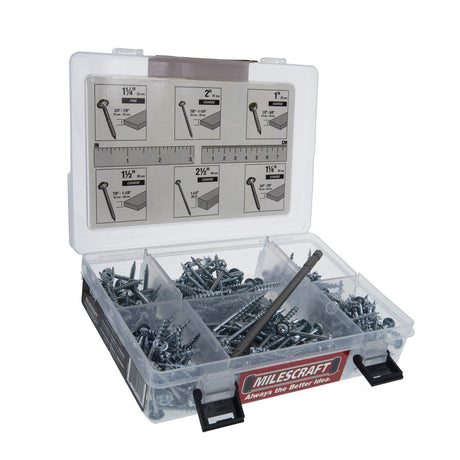
Milescraft PocketScrewKit700 T20 Pocket Hole Screws includes Star Drivers
$47.90Unit price /UnavailableIn stock-
Milescraft
Milescraft Pocket Hole Screws - 8G 25mm Coarse Thread
From $8.90Unit price /UnavailableIn stock -
Milescraft
Milescraft Pocket Hole Screws - 8G 32mm Coarse Thread
From $9.50Unit price /UnavailableIn stock -
Milescraft
Milescraft PocketJig400 Adjustable Heavy Duty Pocket Hole System
$179.90Unit price /UnavailableIn stock -
Milescraft
Milescraft PocketScrewKit350 T20 Pocket Screws includes Star Driver
$29.90Unit price /UnavailableIn stock -
Bora Tool
BORA Tool Coarse Pocket Wood Screws SQD Assorted Lengths Box of 800
$99.95Unit price /UnavailableIn stock -
Milescraft
Milescraft Pocket Hole Screws - 8G 64mm Coarse Thread
From $8.50Unit price /UnavailableIn stock -
-
Milescraft
Milescraft Pocket Hole Screws - 8G 51mm Coarse Thread
From $8.50Unit price /UnavailableIn stock -
Bora Tool
BORA Tool 8Gx31mm Coarse Pocket Wood Screws SQD Pack of 100
$12.95Unit price /UnavailableIn stock -

Bora Tool
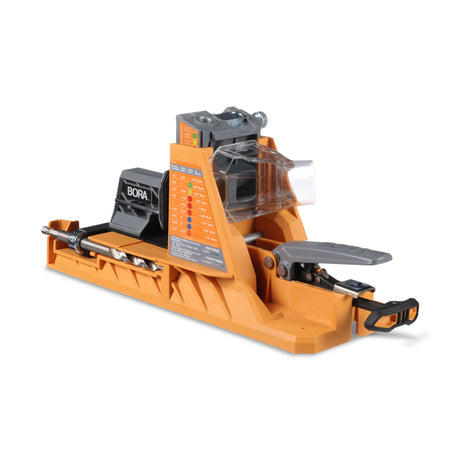
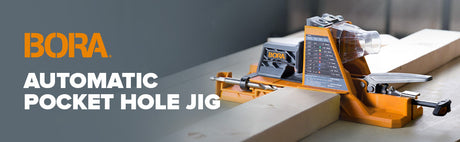
BORA Tool Auto Jig Automatic Benchtop Pocket Hole Jig
$289.95Unit price /UnavailableIn stock -
Milescraft
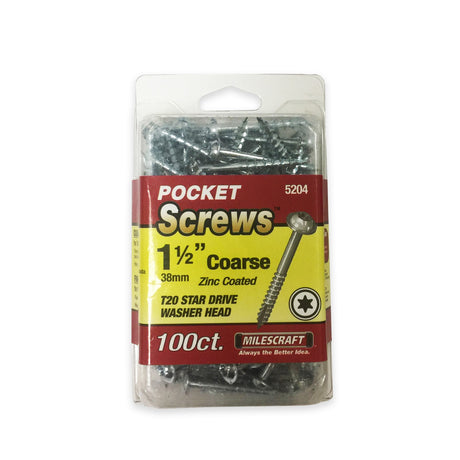
Milescraft Pocket Hole Screws - 8G 38mm Coarse Thread
From $9.50Unit price /UnavailableIn stock -
Clearance24% off
Milescraft
Milescraft 6in FaceClamp Framing Clamp 150mm Jaw Capacity
$41.50$54.90Unit price /UnavailableIn stock -
Milescraft
Milescraft PocketBit Pocket Hole Stepped Drill Bit and Stop Collar
$21.90Unit price /UnavailableIn stock






Pocket Hole Joinery for Strong, Efficient Wood Connections
Pocket hole joinery is a popular woodworking method that allows strong joints to be created quickly and accurately. By drilling angled holes and fastening with specialised screws, this technique enables woodworkers to join components securely without complex layouts or advanced machinery.
Commonly used in cabinetmaking, furniture construction, and general workshop projects, pocket hole joinery is valued for its speed and versatility. It is suitable for face frames, carcass assembly, repairs, and knock-together projects where reliability and repeatability are important.
The strength of a pocket hole joint comes from the combination of precise drilling and purpose-designed screws that draw pieces together tightly. When used correctly, these joints can be surprisingly robust, particularly when combined with glue for added rigidity.
Successful pocket hole joinery depends on selecting the correct drill guide, screw length, and screw type for the material thickness and timber species. Accurate setup and consistent technique help ensure clean joints with minimal tear-out and strong long-term performance.
FAQs
What is pocket hole joinery?
Pocket hole joinery is a method of joining timber by drilling angled holes and using specialised screws to pull pieces together, creating strong and accurate joints.
Is pocket hole joinery strong?
Yes, when done correctly, pocket hole joints are very strong. Using the correct screws and adding glue can further increase joint strength.
What projects are suitable for pocket hole joinery?
This joinery method is ideal for cabinets, furniture frames, shelving, face frames, and general woodworking projects where speed and accuracy are important.
Can pocket holes be used on hardwood?
Yes, pocket hole joinery works well on hardwoods when the correct drill settings and screw types are used to prevent splitting.
Do pocket hole joints require glue?
Glue is optional but recommended for added strength and rigidity, particularly in structural or load-bearing applications.
How do I hide pocket holes?
Pocket holes are often positioned on hidden surfaces, or they can be concealed using matching timber plugs or filler for a cleaner appearance.
Is pocket hole joinery suitable for beginners?
Yes, it is one of the most beginner-friendly joinery methods due to its straightforward setup and consistent results.
What thickness timber can be joined using pocket holes?
Pocket hole systems are commonly used on timber thicknesses from around 12mm upwards, with screw length and drill depth adjusted accordingly.