






Milescraft
Milescraft DrillBlockPLUS Metric Drilling Guide Portable Jig
$17.90Unit price /UnavailableIn stock-
Milescraft
Milescraft DrillMate Portable Straight Drilling Guide
$69.90Unit price /UnavailableVery low stock (10+ units) -

Torquata
Torquata Tungsten-Carbide Forstner Boring Drill Bits 10mm Shank
From $24.90Unit price /UnavailableIn stock 
-

Milescraft
Milescraft DrillBlock Metric Straight Drilling Guide
$13.90Unit price /UnavailableLow stock (10+ units) -
-
Milescraft
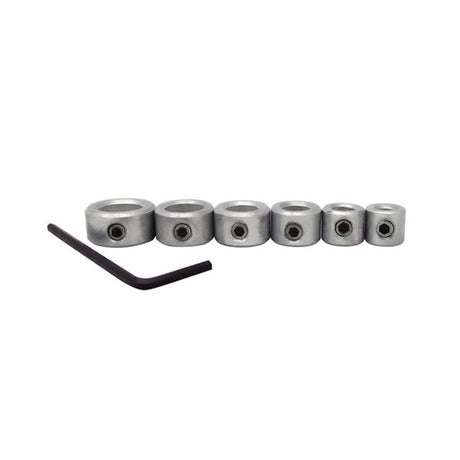
Milescraft Drill Depth Stops Set of 7 Metric Stop Collars
$9.90Unit price /UnavailableIn stock -
Fisch
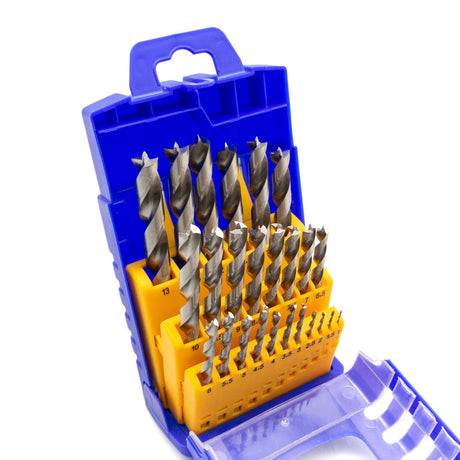
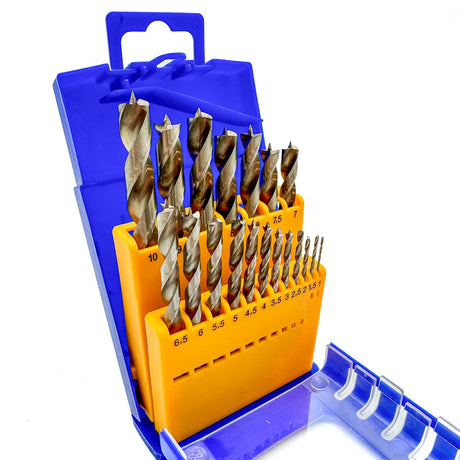
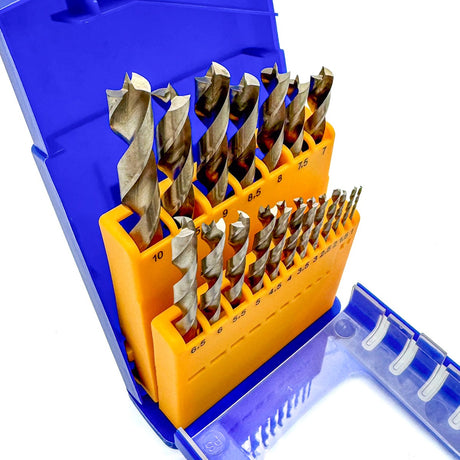
Fisch Standard Brad Point Drill Bits 25 Piece Set Metric HSS
$159.90Unit price /UnavailableIn stock -
Milescraft
Milescraft DrillMatePRO Portable Drill Press
$249.00Unit price /UnavailableLow stock (10+ units) -
Fisch
Fisch Standard Brad Point Drill Bits 19 Piece Set Metric HSS
$99.90Unit price /UnavailableIn stock -

-
Fisch
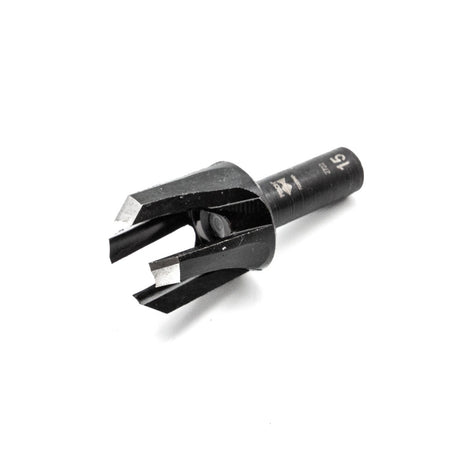
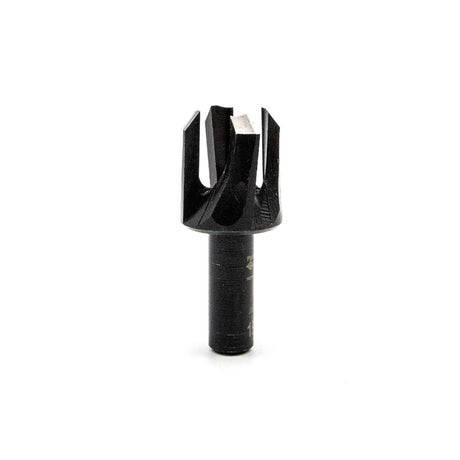
Fisch Tapered Plug Cutters 1.5 Degree Taper 10mm Shank
From $39.90Unit price /UnavailableIn stock -
Milescraft
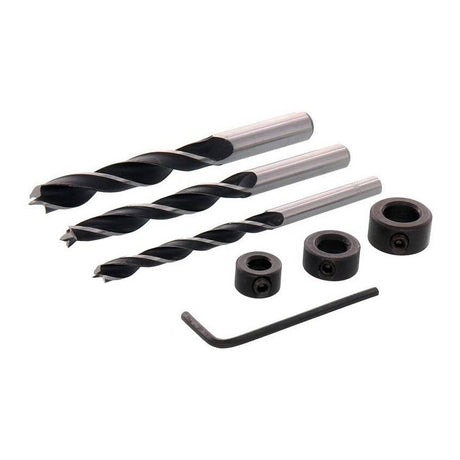
Milescraft Bradpoint Drill Bit and Stop Set of 3 Metric 6mm 8mm 10mm
$10.90Unit price /UnavailableIn stock -
-
Fisch
Fisch Black Shark Pro Forstner Bits for Hardwoods
From $39.90Unit price /UnavailableIn stock -


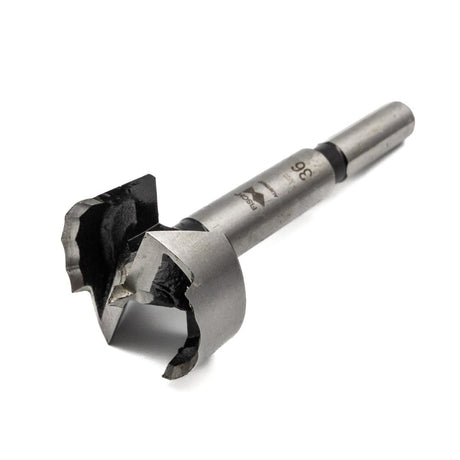
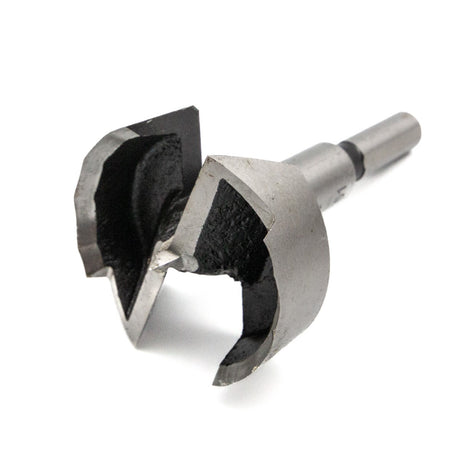


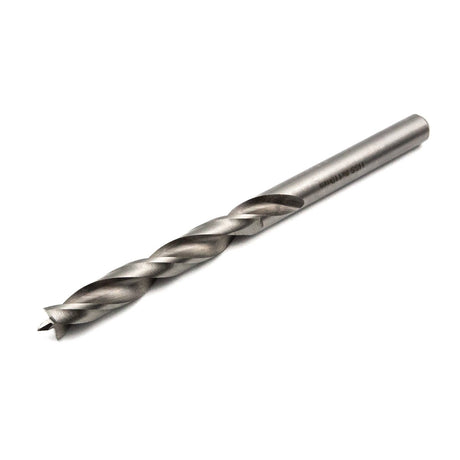
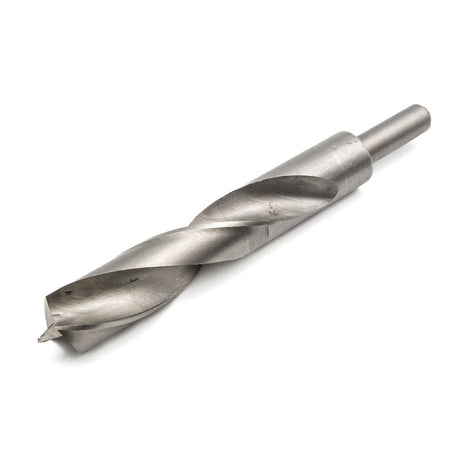




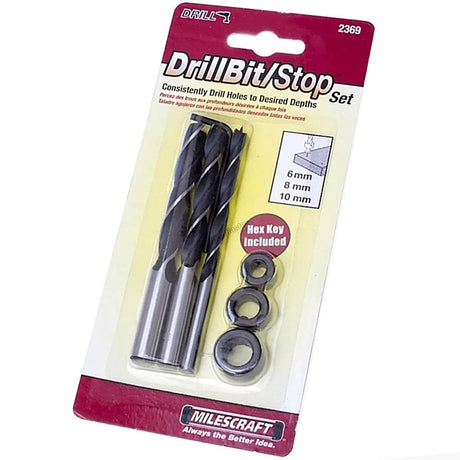
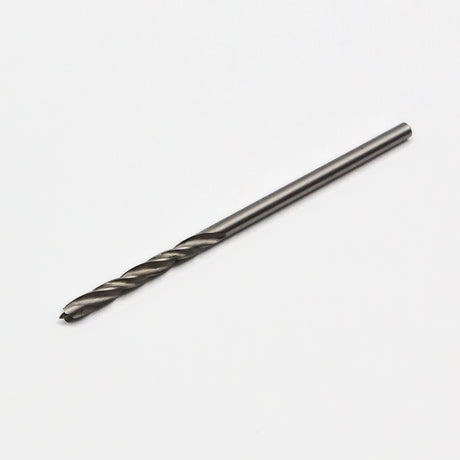
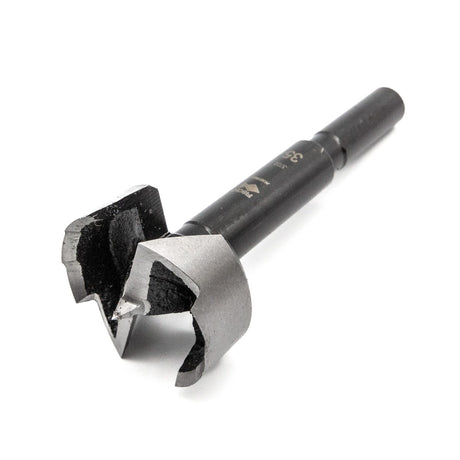
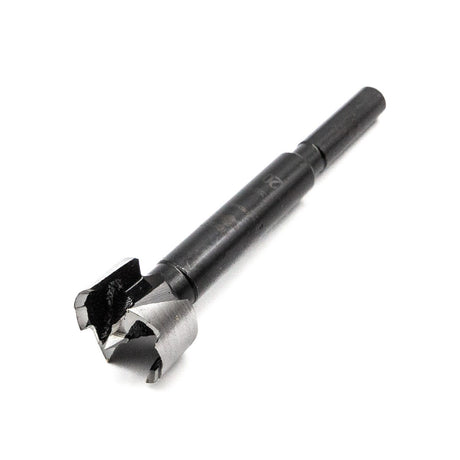


Woodworking Drill Bits and Drilling Accessories for Every Project
Whether you're building cabinetry, crafting furniture or completing general workshop tasks, having the right woodworking drill bits and drilling accessories is essential for achieving clean, accurate results. From creating pilot holes and boring large-diameter openings to installing hardware and producing precise joinery, specialised drilling tools are designed to suit a wide range of timber types and woodworking applications. Choosing the correct bit not only improves hole quality but also reduces tear-out, extends tool life and makes drilling safer and more efficient.
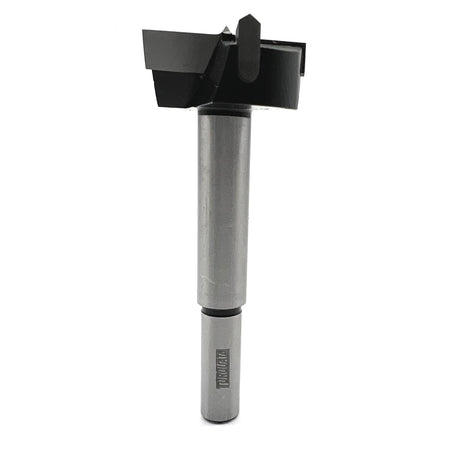
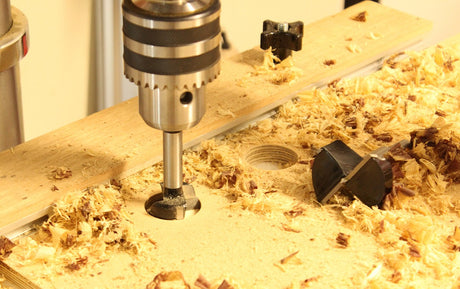
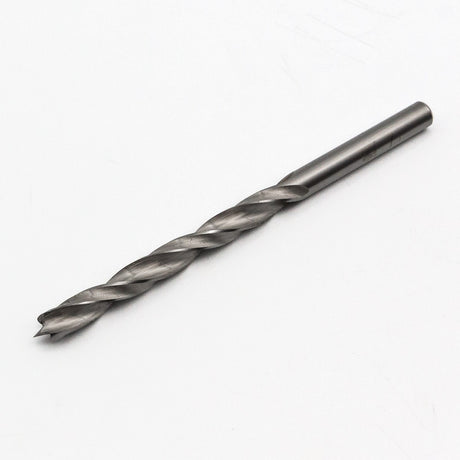
There are many types of woodworking drill bits available, each engineered for a specific purpose. Brad point bits provide exceptional accuracy and clean entry holes, making them ideal for dowelling and furniture construction. Forstner bits produce flat-bottomed holes with smooth sides, while auger bits are designed for drilling deep holes in timber. Spade bits offer rapid stock removal for larger holes, and countersinks create neat recesses that allow screw heads to sit flush with the timber surface. A comprehensive drilling setup may also include drill guides, depth stops, extension shafts and specialised jigs for consistent, repeatable results.
Using high-quality drilling accessories can significantly improve both accuracy and productivity. Drill guides help maintain perfectly vertical holes when working with handheld drills, while depth stops ensure every hole is drilled to a consistent depth. For repetitive work, drilling jigs increase efficiency and reduce setup time, making them especially valuable for cabinetry, shelving, hardware installation and production woodworking. Matching the right accessory to the task allows woodworkers to work more confidently while producing professional-quality outcomes.
Regular maintenance will help keep drill bits performing at their best. Sharp cutting edges generate cleaner holes with less effort and minimise heat build-up during drilling. Clearing chips frequently, using the appropriate drilling speed for the material and storing drill bits in protective cases all contribute to longer tool life and more consistent performance. With the right drilling tools and proper technique, woodworkers can achieve precise, reliable results across projects of every size.
FAQs
What drill bits are best for woodworking?
Brad point bits are ideal for general woodworking thanks to their accurate centring point and clean cutting edges. Forstner bits, auger bits, spade bits and countersinks are also commonly used depending on the specific drilling task.
What is the advantage of a brad point drill bit?
A brad point drill bit starts precisely where positioned, reducing wandering and producing cleaner entry and exit holes. This makes it particularly suitable for joinery, cabinetry and fine woodworking.
When should I use a Forstner bit?
Forstner bits are best for drilling flat-bottomed holes, overlapping holes, concealed hinge recesses and applications where a clean finish and precise diameter are important.
Can woodworking drill bits be used in hardwood?
Yes. Quality woodworking drill bits are designed to drill both hardwoods and softwoods. Using the correct drilling speed and keeping the bit sharp will produce the best results in dense timbers.
How can I reduce tear-out when drilling timber?
Using sharp drill bits, backing the workpiece with sacrificial timber, drilling at the correct speed and supporting the material securely all help minimise splintering around the hole.
What are drill guides used for?
Drill guides help maintain accurate drilling angles, particularly when using handheld drills. They improve hole alignment and consistency, making them useful for furniture making, cabinetry and hardware installation.
Why should I use a drill depth stop?
A depth stop ensures holes are drilled to the same depth every time. This is especially valuable for dowel joints, shelf pin holes, hardware fitting and repetitive production work.
How do I maintain woodworking drill bits?
Keep drill bits clean, store them in protective organisers, avoid overheating during use and replace or sharpen them when cutting performance begins to decline. Proper maintenance extends tool life and improves drilling accuracy.
What safety practices should I follow when drilling wood?
Always clamp the workpiece securely, wear eye protection, use the correct speed for the drill bit, clear chips safely and inspect bits for wear or damage before use. These practices help produce cleaner results while reducing the risk of accidents.