




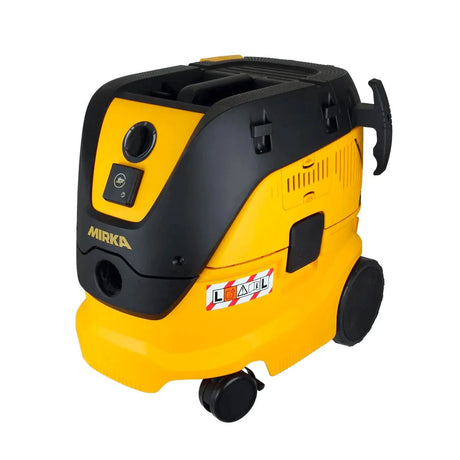


SIA Abrasives
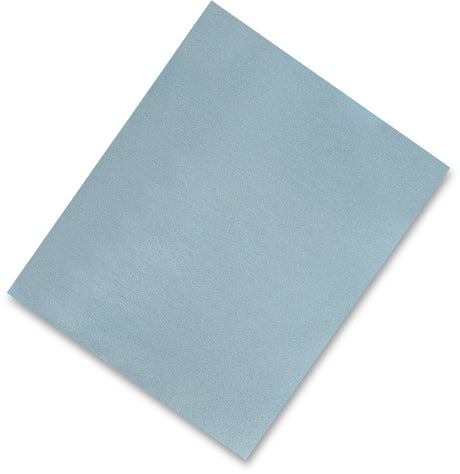
SIA Abrasives 1948 siaflex Abrasive Sheet 230 x 280mm
$1.39Unit price /UnavailableVery low stock (10+ units)
SIA Abrasives
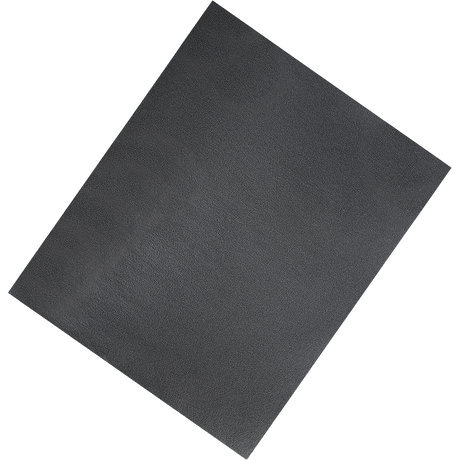
SIA Abrasives 1713 siawat Abrasive Sheet 230 x 280mm
$1.48Unit price /UnavailableIn stock-


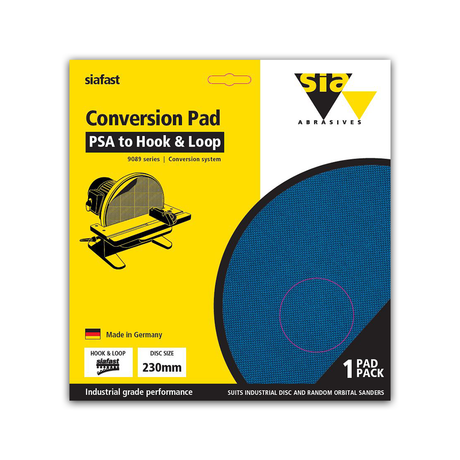
![SIA Abrasives 9089 siaklett Hook & Loop Converter Pad for easy attachment to the tool]()
![SIA Abrasives 9089 siaklett Hook & Loop Converter Pad in use on a sander]()
![SIA Abrasives 9089 siaklett Hook & Loop Converter Pad in use on a sander]()
SIA Abrasives
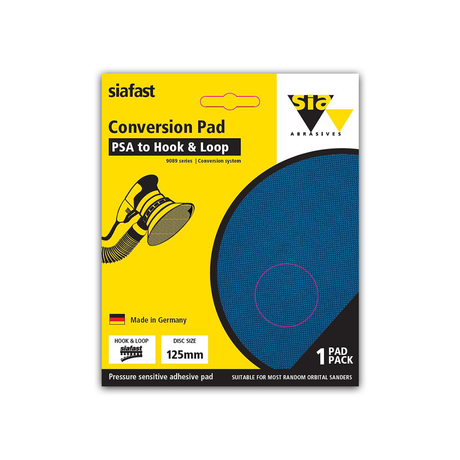
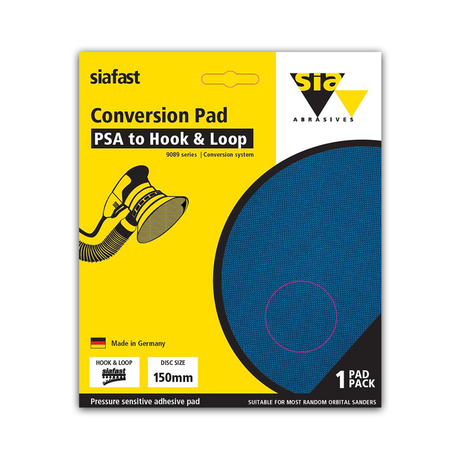
SIA Abrasives 9089 siaklett Hook & Loop Converter Pad
From $12.14Unit price /UnavailableVery low stock (6 units)-
-
-
Mirka
Mirka DEROS II Random Orbital Sander 150mm 5.0mm Orbit 650CV
$1,141.00Unit price /UnavailableIn stock 
Mirka
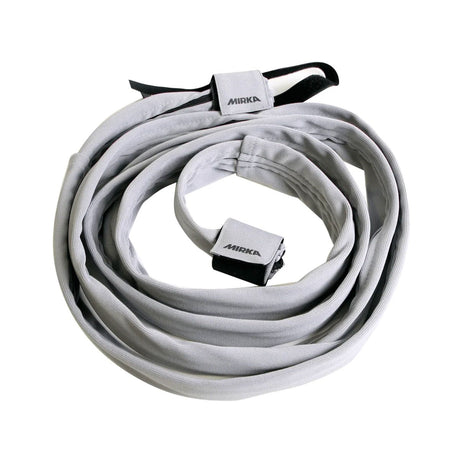
Mirka Dust Extractor Vacuum Hose & Connector 27 x 4mm
$139.00Unit price /UnavailableIn stock-
-
Mirka
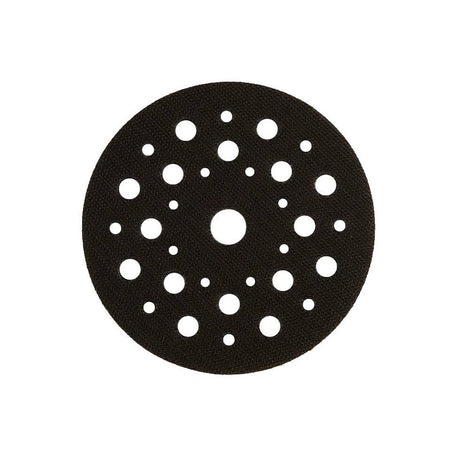
Mirka Orbital Sander Interface Pad 125mm x 10mm 5 Pack
$82.00Unit price /UnavailableIn stock 


Festool
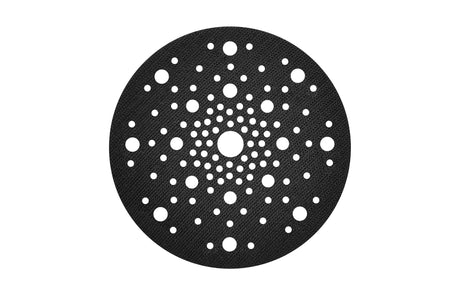
Festool Soft Protection Pad for Granat Net 150mm Pack of 2
$31.00Unit price /UnavailableVery low stock (1 unit)-
-


Festool
Festool Hard High Temperature Backing Pad MJ2 150mm M8
$120.00Unit price /UnavailableIn stock-








Electric Sanders and Accessories for Woodworking
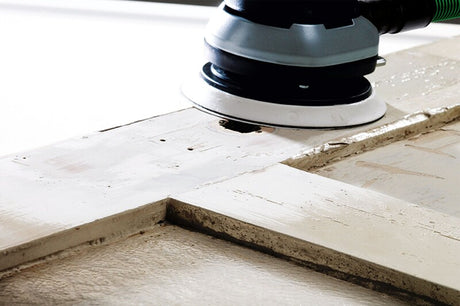
Electric sanders make surface preparation faster and more consistent across a wide range of woodworking projects, from furniture making and cabinetry to renovations and general workshop tasks. Different sander designs suit different applications: random orbital sanders are versatile tools for general surface preparation and finishing, detail sanders can reach tighter areas, and belt sanders provide aggressive material removal when timber needs to be levelled or stripped quickly.
Choosing the right sanding accessories has a major influence on both efficiency and surface quality. Abrasive discs, sheets and belts are available in different grit sizes, with lower grit numbers providing a coarser and more aggressive cut and higher numbers producing progressively finer results. A typical sanding process starts with a grit appropriate to the condition of the workpiece before progressing through finer abrasives. Avoiding excessively large jumps between grit sizes helps remove scratches from the preceding stage and produces a more uniform surface ready for finishing.
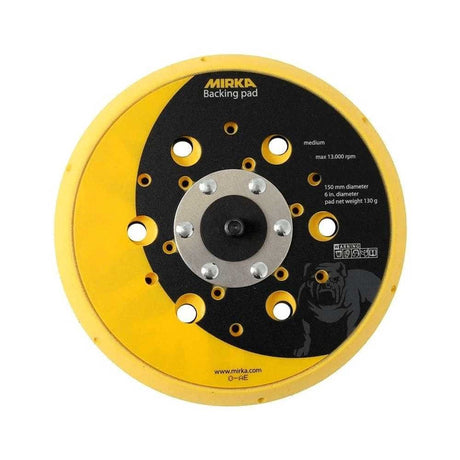
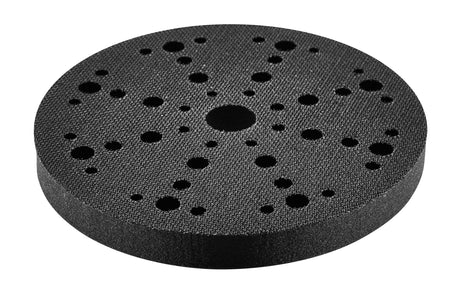
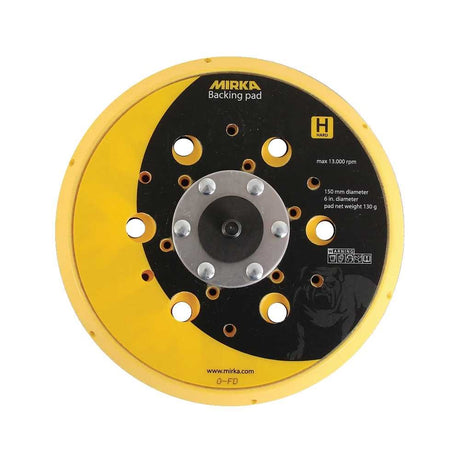
Accessories such as backing pads, interface pads, sanding bases, dust extraction components and compatible abrasives can also help adapt an electric sander to particular jobs. The correct abrasive size, attachment method and hole pattern should always be matched to the machine. Maintaining a clean backing pad and replacing worn abrasives promptly can improve sanding consistency while reducing unnecessary heat and loading on the tool.
FAQs
Which type of electric sander is best for woodworking?
The best electric sander depends on the task. A random orbital sander is a versatile choice for many woodworking projects because it can handle general surface preparation as well as relatively fine sanding. Belt sanders are better suited to rapid material removal, while finishing and sheet sanders offer controlled sanding on flatter surfaces. Detail sanders are useful around corners, edges and other areas that larger sanding pads cannot easily reach.
What is the difference between an orbital sander and a random orbital sander?
An orbital sander moves its sanding pad in a small orbital pattern, while a random orbital sander combines an orbital movement with rotation of a round sanding disc. This combined movement helps reduce obvious repetitive sanding marks and allows random orbital sanders to remove material efficiently while still producing a relatively fine surface. Traditional orbital or finishing sanders remain useful where controlled finishing and access close to edges are priorities.
What sandpaper grit should I use for timber?
The starting grit should be chosen according to the condition of the timber rather than following a single sequence for every project. Coarse abrasives such as 40 to 60 grit are intended for substantial material removal, while 80 to 120 grit is commonly used for general smoothing. Finer grits can then refine the surface before finishing. Always consider the requirements of the intended coating, as some finishes specify a recommended final sanding grit.
Can I use an electric sander to remove paint or old finishes?
Electric sanders can remove many existing coatings, although the appropriate machine and abrasive depend on the coating and substrate. Coarser abrasives can speed up removal but may also cut into the underlying timber. Extra precautions are necessary with old or unidentified coatings because sanding can release hazardous dust. Determine what material is being removed and follow appropriate safety and containment procedures before beginning work.
How do I choose sanding discs or sheets for my electric sander?
Check the sander's required abrasive dimensions, attachment system and dust extraction hole pattern. Hook-and-loop discs must match the diameter of the backing pad, while sheet sanders may use pre-cut abrasives or sheets secured by clamps or another attachment system. Matching extraction holes is also important because incorrectly positioned holes can restrict dust collection. Refer to the tool manufacturer's specifications when compatibility is uncertain.
Should I press down on an electric sander?
Heavy downward pressure is generally unnecessary and can reduce sanding efficiency. It may slow the pad, generate additional heat, wear abrasives more quickly and increase the risk of an uneven finish. Keep the machine stable and guide it across the workpiece using controlled, overlapping passes, allowing the abrasive and the sander's movement to perform the cutting.
Why are dust extraction holes important in sanding discs?
Dust extraction holes allow sanding dust to travel through the abrasive and backing pad into the sander's collection system. Correct alignment can improve dust removal from the work surface, helping maintain visibility and reducing abrasive loading. Some sanding systems use multiple-hole or mesh-style abrasives to provide extraction across a larger area, but the abrasive must still be compatible with the particular sanding system being used.
When should I replace a sander backing pad?
A backing pad should be inspected if sanding discs no longer attach securely, the pad becomes distorted or damaged, or sanding performance becomes uneven. Hook-and-loop surfaces can wear over time, particularly if the sander is operated without an abrasive attached. When replacing a pad, choose one designed for the specific machine and check its diameter, mounting arrangement, dust extraction pattern and recommended operating speed.