



Trend
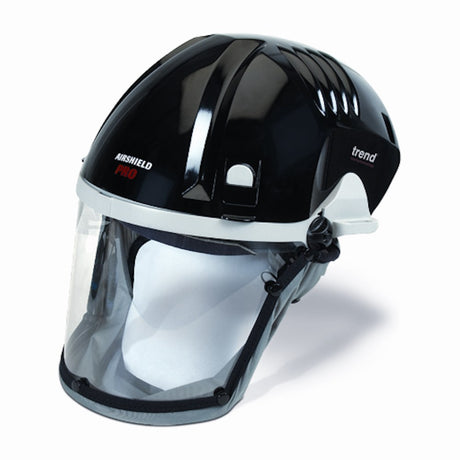
Trend Airshield Pro Respirator Face Shield Dust Mask Set Battery Powered
$899.00Unit price /UnavailableIn stock
Trend
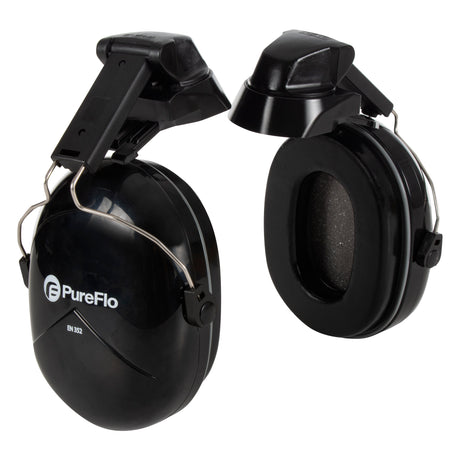
Trend Air Pro Max Ear Defenders for Airshield Pro Respirator Face Shield Dust Mask
$94.90Unit price /UnavailableIn stock-
Trend
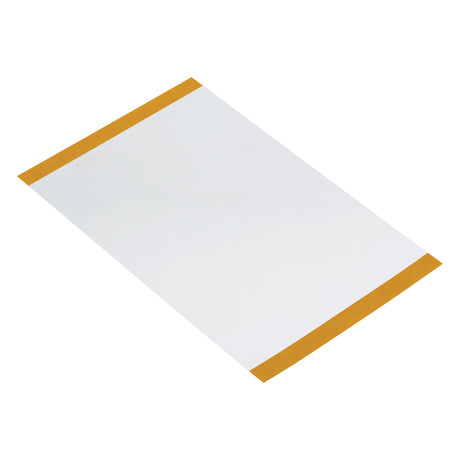
Trend Clear Visor for Airshield Pro Respirator Face Shield Dust Mask Pack of 10
$70.90Unit price /UnavailableIn stock -
Trend
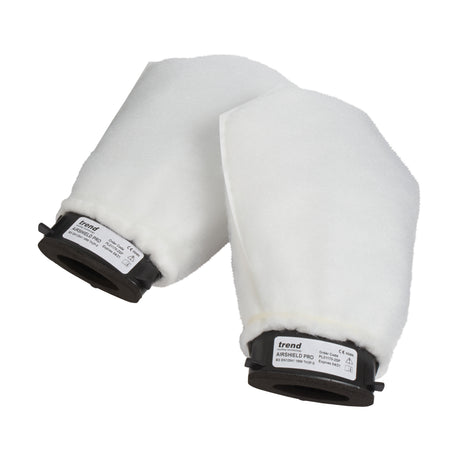
Trend Filters for Airshield Pro Respirator Face Shield Dust Mask Pack of 2
$118.90Unit price /UnavailableIn stock -

Trend
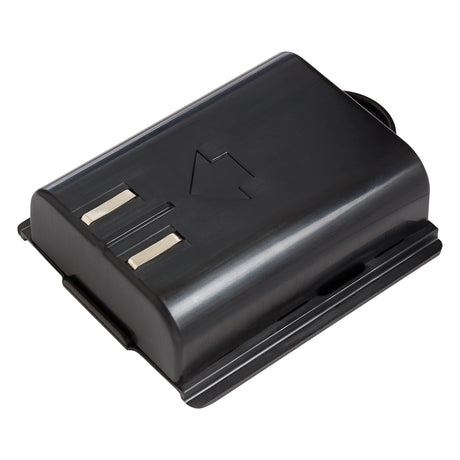
Trend Battery for Airshield Pro Respirator Face Shield Dust Mask 8 Hour Battery Life
$134.90Unit price /UnavailableIn stock -
Sold out
Trend
Trend Benchtop Mitre Saw Roller Stand Adjustable 62kg Capacity
$106.90Unit price /Unavailable 
Trend
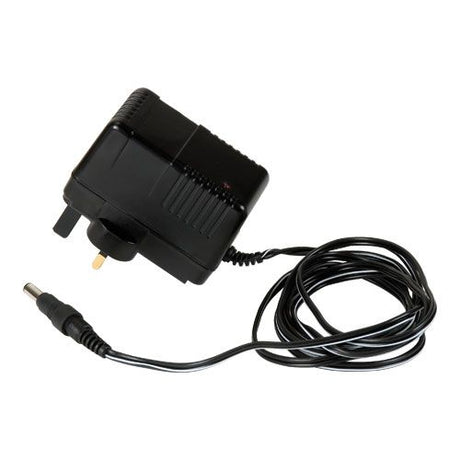
Trend Battery Charger for Airshield Pro Respirator Face Shield Dust Mask
$92.90Unit price /UnavailableIn stock-
Sold out
-
Trend
Trend Door Skate Material Handling Aid suits up to 55mm Thickness
$80.90Unit price /UnavailableIn stock -
-
-
Trend
Trend Inflatable Air Wedge Heavy Duty 135kg Lift Pack of 2
$47.50Unit price /UnavailableIn stock -
Trend
Trend Panel, Door & Worktop Carrier 65mm Capacity Pack of 2
$249.90Unit price /UnavailableIn stock -
-









Trend Workshop Accessories
The difference between a smooth day in the workshop and a frustrating one often comes down to the supporting gear: the accessories that streamline set-ups, the workholding that keeps parts stable, and the PPE that lets you work confidently around dust and noise. When these elements work together, you get cleaner cuts, better repeatability, and fewer “nearly right” fits that turn into rework later.
Workshop accessories help remove friction from common tasks, think guides and set-up aids, practical fittings for dust extraction, and handy add-ons that keep your workflow predictable. Pair that with solid workholding and support (clamps, stops, and stable supports for panels and long lengths) and you’ll notice immediate improvements in accuracy. A workpiece that can’t move or vibrate is easier to machine cleanly, whether you’re routing, sanding, drilling, or assembling.
PPE (personal protective equipment) is the other half of a professional workflow. Fine dust from sanding and routing, especially from sheet goods like MDF, can be hazardous, and cutting operations can be loud enough to cause hearing damage over time. Using the right respirator/dust mask, hearing protection and eye protection helps you stay comfortable and protected, while also encouraging better habits (like actually switching extraction on, and keeping the bench clear and visible).
FAQs
How does better workholding improve cut quality?
When a workpiece moves, flexes or vibrates, the tool cuts inconsistently, leading to chatter marks, tear-out, uneven depths and wandering. Reliable clamping and solid support keep the work stable, which improves accuracy and finish while reducing the risk of tool grab or kickback.
What PPE should I prioritise for woodworking?
Eye protection is essential for flying chips and dust. Hearing protection matters for saws, routers and planers. Respiratory protection is especially important for sanding and routing, and for sheet goods that produce fine dust. Choose PPE that fits well and is comfortable enough to wear consistently.
Do I need a respirator if I already use dust extraction?
Extraction helps a lot, but it doesn’t capture everything, especially fine airborne dust. For tasks like sanding MDF, routing grooves, or sweeping up, a properly fitted dust mask or respirator adds an important layer of protection.
What’s a sensible “starter kit” across accessories, workholding and PPE?
Start with dependable clamps and basic supports (so work can’t move), dust extraction essentials (good-fitting hoses/adapters), and core PPE (eye, ear and respiratory protection). From there, add task-specific accessories based on what you do most—routing, sanding, cabinetry installs, or furniture builds.