



Trend
Trend Airshield Pro Respirator Face Shield Dust Mask Set Battery Powered
$899.00Unit price /UnavailableIn stock
Trend
Trend Air Pro Max Ear Defenders for Airshield Pro Respirator Face Shield Dust Mask
$94.90Unit price /UnavailableIn stock-
Trend
Trend Clear Visor for Airshield Pro Respirator Face Shield Dust Mask Pack of 10
$70.90Unit price /UnavailableIn stock -
Trend
Trend Filters for Airshield Pro Respirator Face Shield Dust Mask Pack of 2
$118.90Unit price /UnavailableIn stock -

Trend
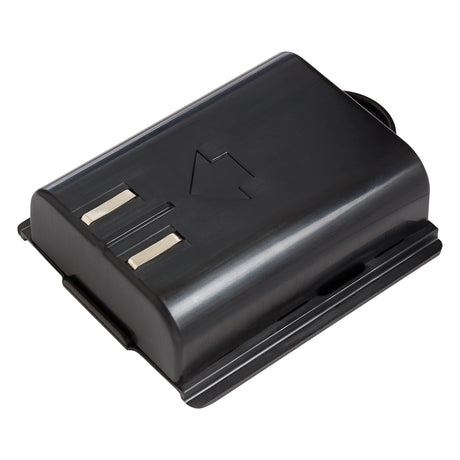
Trend Battery for Airshield Pro Respirator Face Shield Dust Mask 8 Hour Battery Life
$134.90Unit price /UnavailableIn stock 
Trend
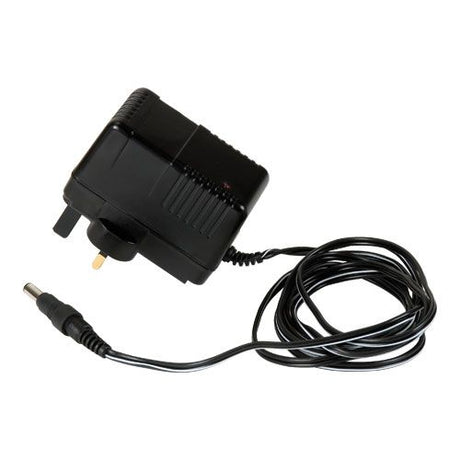
Trend Battery Charger for Airshield Pro Respirator Face Shield Dust Mask
$92.90Unit price /UnavailableIn stock
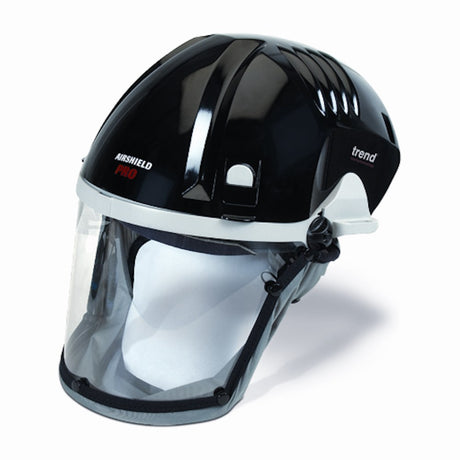

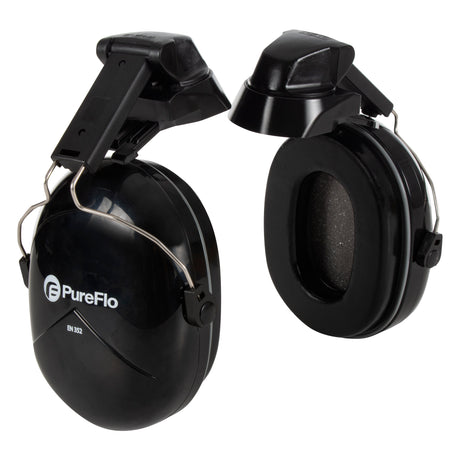

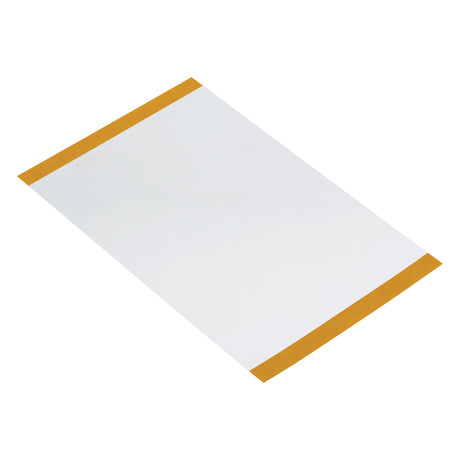

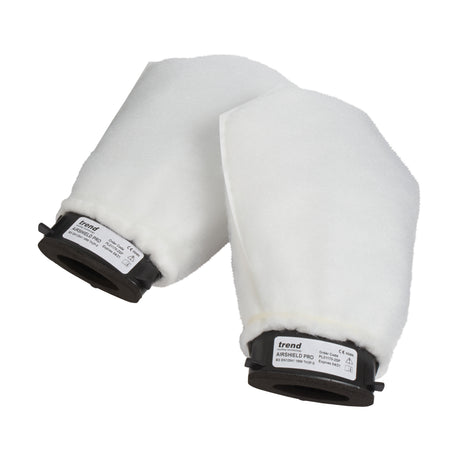


Trend PPE for Safer Woodworking in the Workshop and On Site
Woodworking produces hazards that are easy to underestimate: fine airborne dust from sanding and routing, high noise levels from saws and routers, and chips and debris thrown from cutting edges. Trend PPE (personal protective equipment) is designed to help you manage these risks so you can work more comfortably and consistently, whether you’re in a home workshop, a shared space, or on a job site.
Respiratory protection is particularly important for tasks that create fine dust, such as sanding MDF, machining plywood, or routing grooves. Even with good extraction, some dust remains airborne, and repeated exposure can irritate airways and reduce air quality in the shop.
Hearing protection is equally critical: many woodworking machines operate at noise levels that can cause hearing damage over time. Earmuffs or earplugs that you’ll actually wear all day are often the best choice.
FAQs
What PPE should I wear for woodworking?
At a minimum: eye protection, hearing protection, and respiratory protection when generating dust (especially sanding and routing). Depending on the task, gloves may be useful for handling rough stock or sharp offcuts, but they’re generally not recommended near rotating machinery where they can catch.
Do I really need a mask if I use dust extraction?
Extraction helps, but it doesn’t capture everything, particularly the finest particles that stay airborne. Wearing a properly fitted dust mask or respirator adds an extra layer of protection, especially during sanding, sweeping, and machining sheet goods like MDF.
What’s the difference between a dust mask and a respirator?
Dust masks are generally lighter and suited to lower-intensity dust exposure, while respirators are designed for a more secure seal and can be more effective for fine dust and longer sessions. The best option is the one that fits properly and is comfortable enough to wear consistently.
When should I replace my dust mask or filters?
Replace them when breathing resistance increases, the mask becomes damaged, or you can no longer achieve a good seal. For reusable respirators, follow the filter replacement guidance and store filters clean and dry between uses.
Why is hearing protection important if tools don’t “feel” that loud?
Hearing damage can be gradual and cumulative. Many woodworking tools, routers, saws, thicknessers and sanders, can operate at levels that damage hearing over time. Wearing ear protection consistently helps prevent long-term loss and fatigue.
Does PPE replace dust extraction and good workshop ventilation?
No, PPE is one layer of protection. Dust extraction, good housekeeping, and ventilation reduce the amount of dust and debris in the environment, while PPE protects you from what remains. Used together, they provide the best overall risk reduction.