




-
-
-
-
-
![Trend 10 x 50mm Wooden Dowels]()
![Trend 10 x 50mm Wooden Dowels]()
-
-

-
![Trend No. 20 Size Jointing Biscuits]()
![Trend No. 20 Size Jointing Biscuits]()
-
-
-
-
-
Trend
Trend 8 x 40mm Beechwood Loose Tenons Pack of 50
$14.90Unit price /UnavailableVery low stock (6 units) -
-
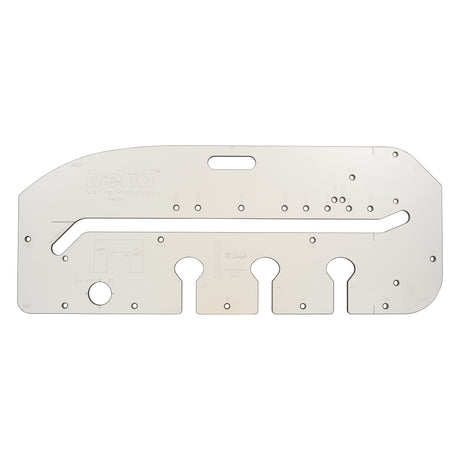
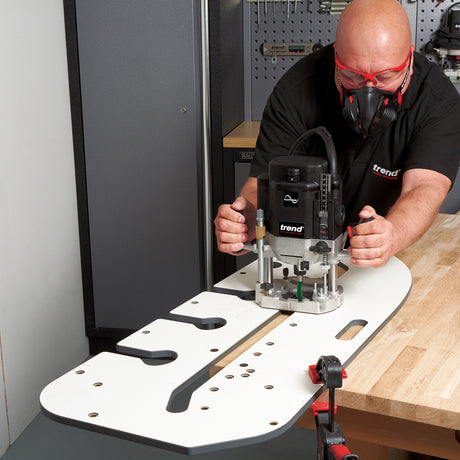
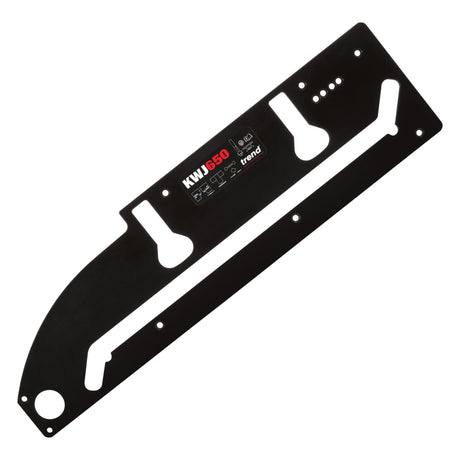
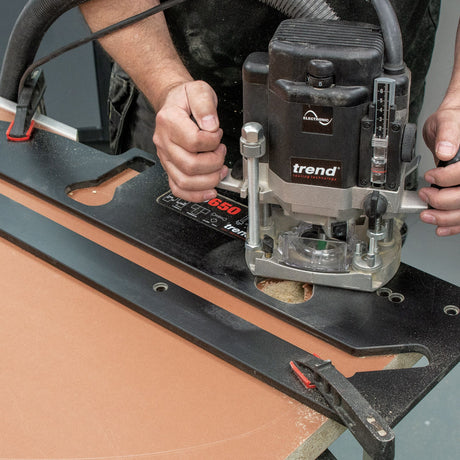
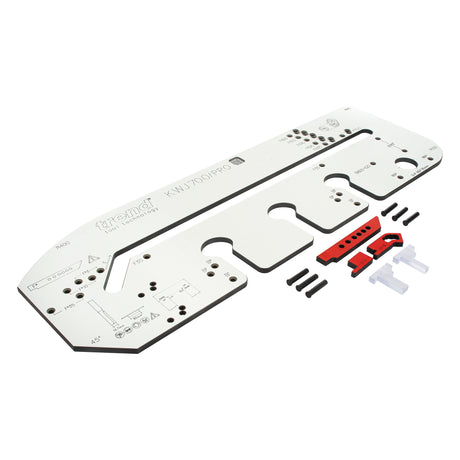
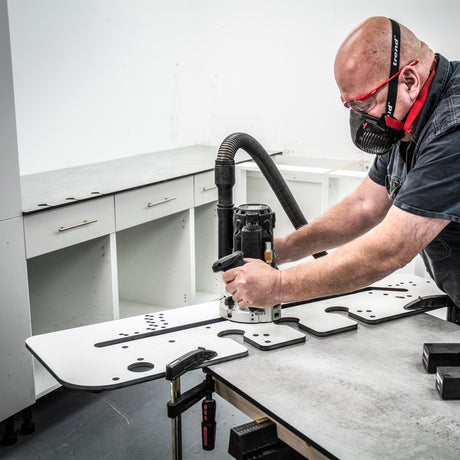


Trend Jigs, Routing & Accessories for Repeatable Accuracy
Routing jigs and accessories are all about one thing: repeatable precision. When you’re cutting hinge recesses, fitting locks, jointing benchtops, routing draining grooves or machining openings to a template, a well-designed jig removes guesswork and speeds up set-up. The Trend range spans routing jigs, work supports, guides and compatible accessories that help produce consistent results across common trade and workshop tasks.
Template routing becomes far more controllable when you combine the right jig with guide bushes (router bushings) and an accurately centred sub-base. Guide bushes allow the router to follow a template edge while keeping the cutter at a predictable offset, making them ideal for pattern work, hinge and lock mortising, and inlay-style tasks. Sub-bases can improve visibility, add stability on narrow stock, and help standardise bush compatibility across different routers.
FAQs
What are routing jigs used for?
Routing jigs guide the router so you can cut consistent shapes, recesses and joints with less measuring. They’re commonly used for hinges, locks, worktop joints, template work, trenching, and repeatable rebates or grooves.
Do I need a guide bush (router bushing) to use templates?
Not always, but guide bushes are one of the most reliable ways to follow a template edge. The bush runs against the template while the cutter removes material at a known offset, which improves repeatability for hinge/lock work, pattern routing and inlays.
Why is centring the guide bush important?
If the bush isn’t centred to the cutter, the offset changes as you rotate the router, leading to uneven results and poor template accuracy. A centring cone or alignment tool helps position the sub-base correctly so the bush and cutter run concentric.
What’s the benefit of using a router sub-base?
A sub-base can increase the router’s footprint for stability, improve visibility of the cutter, and provide a standard mounting for guide bushes. It’s particularly useful on narrow workpieces, edge work, and template routing where control matters.
How do hinge and lock routing jigs improve results?
They position the router accurately and control the cut area and depth, producing clean, repeatable recesses. This reduces layout time, improves hardware fit, and helps maintain consistent results across multiple doors—especially valuable on site.