



Torquata
Torquata 3-Piece Hollowing Woodturning Tool Set with Tungsten Carbide Cutters
$199.90Unit price /UnavailableVery low stock (2 units)
Crown
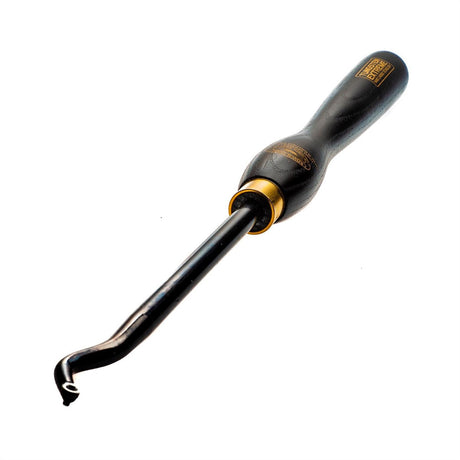
Crown Revolution Midi Deep Hollowing Woodturning Tool 220mm Blade with Super Ring Cutter
$265.00Unit price /UnavailableIn stock-
Torquata
Torquata 3-Piece Large Hollowing Woodturning Tool Set with Tungsten Carbide Cutters
$299.90Unit price /UnavailableIn stock -
Sold out
-
 Clearance25% off
Crown
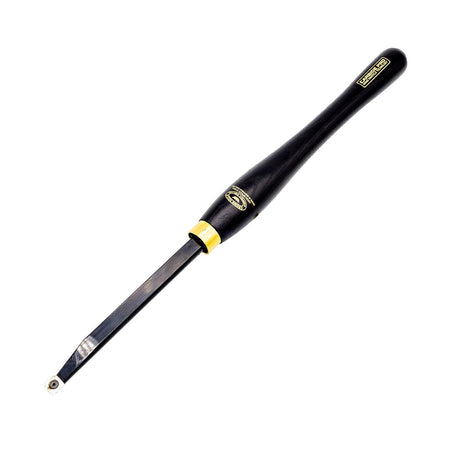
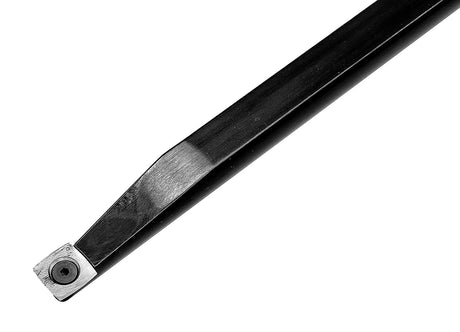
Crown Pro Rougher Carbide Tipped Woodturning Tool
$217.00$289.00Unit price /UnavailableIn stock -
Clearance25% off
Crown
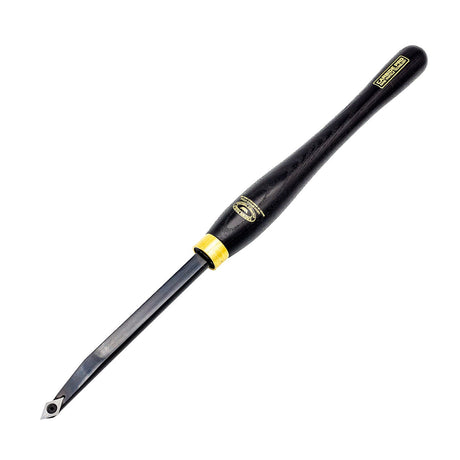
Crown Pro Detailer Carbide Tipped Woodturning Tool
$217.00$289.00Unit price /UnavailableIn stock  Clearance20% off
Crown
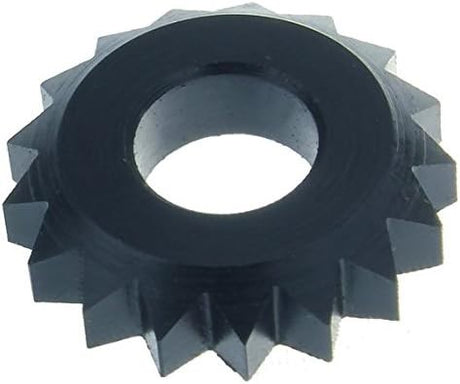
Crown Mini Texturing Wheel for Woodturning Spiralling Tool 17TPI
$62.90$79.00Unit price /UnavailableIn stock


Specialty Woodturning Tools for Detailed and Creative Turning
Specialty woodturning tools are designed to tackle turning operations that can be difficult or inefficient with standard bowl gouges, spindle gouges and skew chisels. From hollowing and texturing to forming beads, cutting fine details and reaching restricted areas, purpose-designed tools can give woodturners greater control when producing bowls, vessels, boxes, ornaments, pens and decorative spindle work.
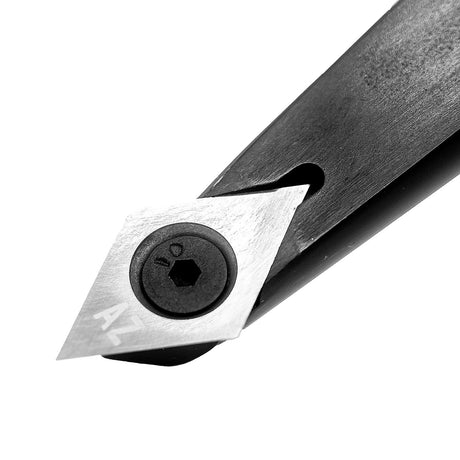
Both traditional high-speed steel and replaceable-cutter tools have a place in the workshop. High-speed steel tools can provide an exceptionally clean cutting edge and can be repeatedly sharpened to suit individual preferences. Carbide and other replaceable cutters offer convenient edge maintenance, as the cutter can typically be rotated or replaced when an edge becomes dull. Neither approach removes the need for good technique, and the best option will depend on the project, timber and preferred turning style.
FAQs
What are specialty woodturning tools?
Specialty woodturning tools are designed for particular lathe operations beyond general spindle and bowl turning. Depending on the application, they may be used for working in areas that are difficult to reach with conventional turning tools. They are especially useful when a project requires a specific profile, surface treatment or internal shape.
What woodturning tools are used for hollowing?
The ideal hollowing tool depends on the form being turned. Bowl gouges and suitable scrapers can work well on open forms, while dedicated hollowing tools are useful for deeper vessels, narrow openings and undercut interiors. Straight and angled designs provide different levels of access, and some hollowing systems provide additional support when the cutting edge needs to extend farther beyond the toolrest.
What is the difference between carbide and high-speed steel turning tools?
High-speed steel turning tools are sharpened on a suitable grinding or sharpening system and allow the turner to maintain or modify the cutting geometry. Carbide tools commonly use replaceable cutters that can be rotated to expose a fresh edge or replaced when necessary. Carbide tools can simplify edge maintenance, while traditional high-speed steel tools provide considerable versatility and can produce very clean cuts when correctly sharpened and used.
How sharp should woodturning tools be?
Cutting tools should have a keen, properly formed edge appropriate to their design. A dull edge generally requires greater pressure and may leave torn fibres or make the tool more difficult to control. High-speed steel tools should be sharpened before performance deteriorates significantly, while indexable cutters should be rotated or replaced according to their condition and the manufacturer's instructions.
How can I use specialty woodturning tools safely?
Make sure the workpiece is securely mounted, use appropriate eye and face protection, and check that the timber clears the toolrest by rotating it manually before starting the lathe. Keep the toolrest close to the work, use an appropriate lathe speed and avoid extending a tool farther over the rest than its design permits. With unfamiliar tools or techniques, follow the manufacturer's instructions and practise on less valuable timber before attempting demanding cuts.