




Titebond
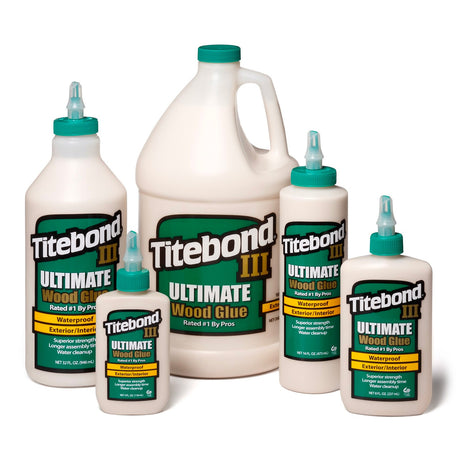
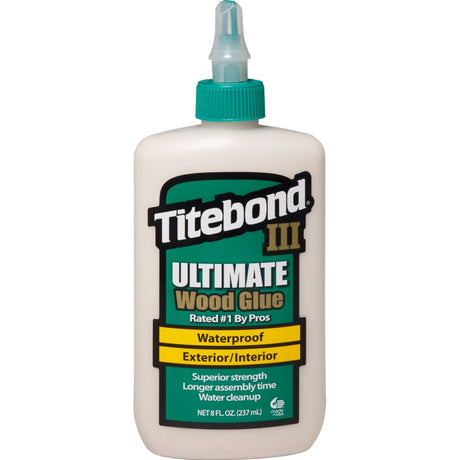
Titebond III Ultimate Waterproof Glue PVA Yellow Aliphatic Resin
From $16.50Unit price /UnavailableIn stock-
Titebond
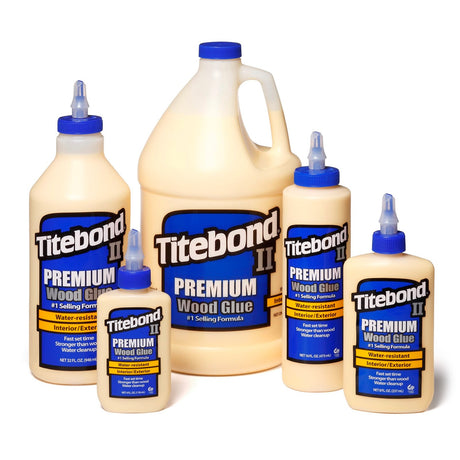
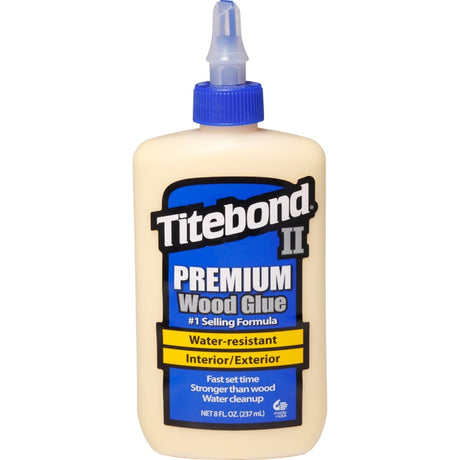
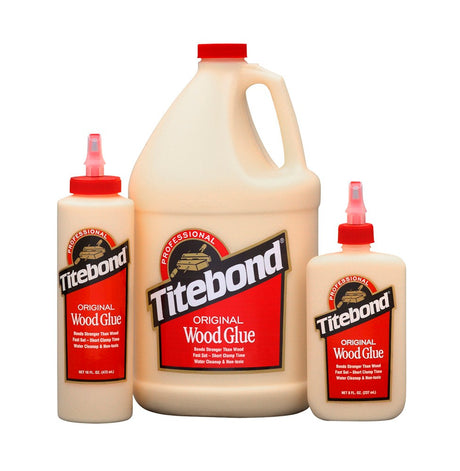
Titebond II Premium Water Resistant Glue PVA Yellow Aliphatic Resin
From $13.90Unit price /UnavailableIn stock -

Titebond
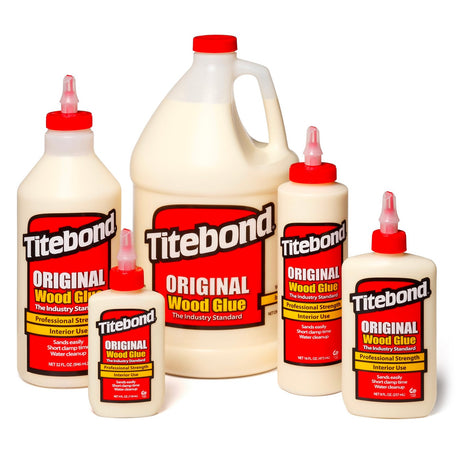
Titebond I Original Woodworking Glue PVA Yellow Aliphatic Resin
From $8.90Unit price /UnavailableIn stock -
Titebond
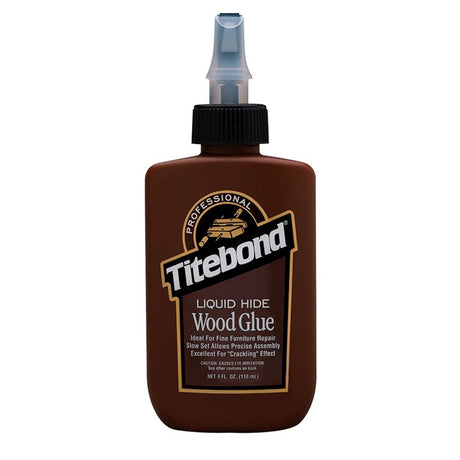
Titebond Liquid Hide Glue Natural Collagen Adhesive 237mL
$22.90Unit price /UnavailableIn stock -

Titebond
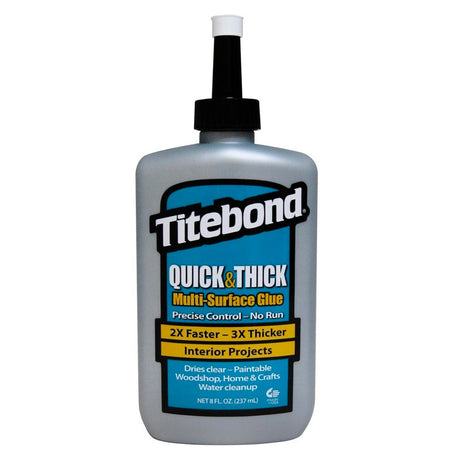
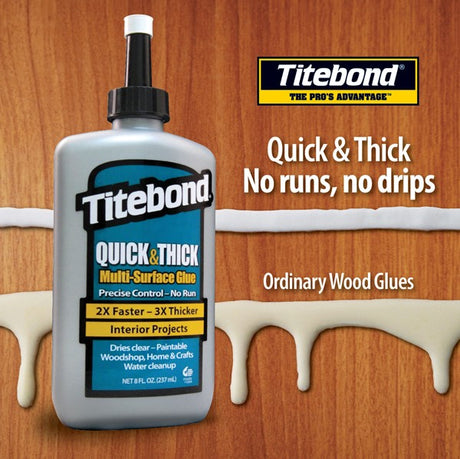
Titebond Quick & Thick Multi-Surface Quick Drying Glue 237mL
$16.90Unit price /UnavailableIn stock -
![Titebond Melamine Glue for Woodworking, Fast Tack with Long Open Time]()
![Titebond Melamine Glue for Woodworking and Laminates]()
Titebond
Titebond Melamine Glue PVA Aliphatic Resin for Laminates
From $26.90Unit price /UnavailableIn stock 
Titebond
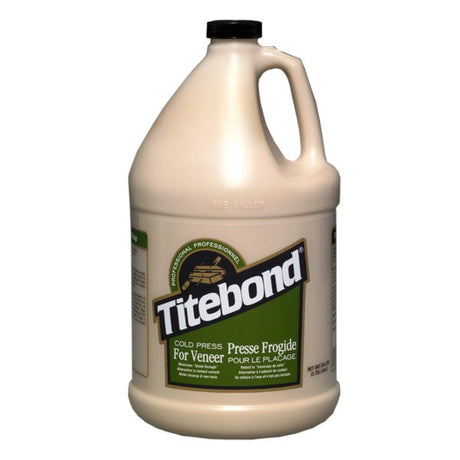
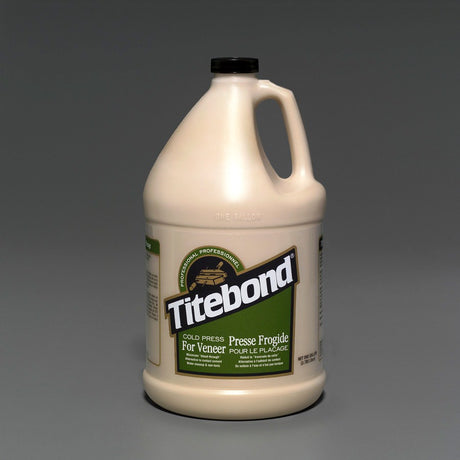
Titebond Cold Press Veneering Glue Wood Veneer Adhesive 3.785L
$84.90Unit price /UnavailableIn stock
PVA Glue for Reliable Woodworking Bonds
PVA (polyvinyl acetate) glue is one of the most widely used adhesives in woodworking due to its ease of use, strong bond, and versatility across a range of materials. Commonly referred to as wood glue, it is particularly effective for joining timber, MDF, and other porous substrates where it can penetrate fibres and create a durable mechanical bond. Its water-based formulation also makes it easy to clean up and suitable for both workshop and on-site use.
Different types of PVA glue are formulated to suit specific applications, including interior, exterior, and moisture-resistant variants. Standard PVA is ideal for indoor projects such as furniture and cabinetry, while cross-linked or waterproof versions are better suited for outdoor applications or areas exposed to humidity. Understanding open time, clamp time, and curing conditions is important to achieving consistent results, especially when working on larger glue-ups or complex assemblies.
Proper glue application and surface preparation play a significant role in joint strength. Surfaces should be clean, well-fitted, and evenly coated to ensure optimal adhesion. Clamping pressure should be sufficient to bring surfaces into full contact without squeezing out excessive adhesive. Regularly checking shelf life and storage conditions also helps maintain performance, as PVA glue can degrade if exposed to extreme temperatures or prolonged air exposure.
FAQs
What is PVA glue used for in woodworking?
PVA glue is primarily used for bonding timber and other porous materials, making it suitable for furniture making, joinery, and general woodworking tasks.
Is PVA glue waterproof?
Standard PVA is not waterproof, but there are water-resistant and waterproof variants designed for exterior or high-moisture environments.
How long does PVA glue take to dry?
Initial set typically occurs within 20 to 60 minutes, but full curing can take up to 24 hours depending on temperature, humidity, and material type.
Do I need to clamp PVA glue joints?
Yes, clamping helps ensure proper contact between surfaces and improves bond strength while the adhesive sets.
Can PVA glue be sanded and finished?
Once fully cured, PVA glue can be sanded. However, excess glue should be removed before finishing, as it can affect stain and finish absorption.
What happens if PVA glue freezes?
Freezing can break down the adhesive structure, reducing effectiveness. It is best stored in a stable, moderate temperature environment.
How should PVA glue be stored?
Store it in a sealed container at room temperature, away from direct sunlight and extreme heat or cold, to maintain its performance over time.