



 15% off
Power Adhesives
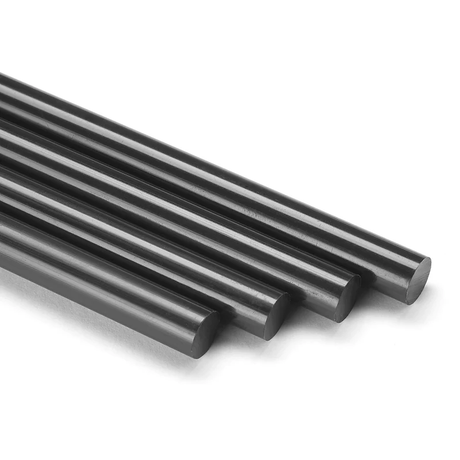
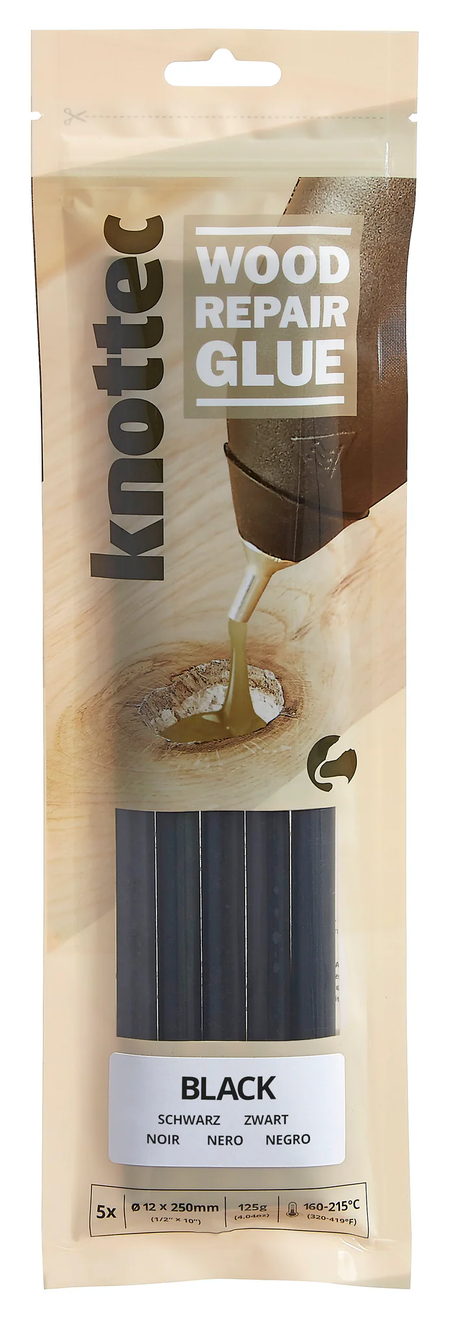
Power Adhesives Knottec Wood Knot Filler Glue Sticks 12mm Black Hot Glue Pack of 5
$25.50$29.90Unit price /UnavailableIn stock
 15% off
Power Adhesives
Power Adhesives Knottec Wood Knot Filler Glue Sticks 12mm Mixed Pack of 12 Hot Glue
$42.50$49.90Unit price /UnavailableIn stock
 16% off
Power Adhesives
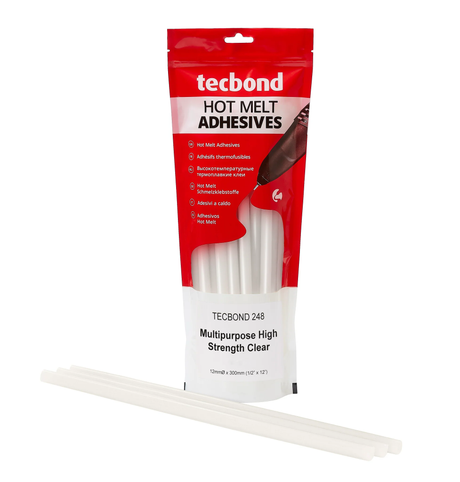
Power Adhesives Tecbond 248 High Strength Construction Hot Melt Glue Sticks 12 x 300mm Pack of 10
$20.90$24.90Unit price /UnavailableIn stock-
15% off
Power Adhesives
Power Adhesives Knottec Wood Knot Filler Glue Sticks 12mm Cola Hot Glue Pack of 5
$25.50$29.90Unit price /UnavailableIn stock -
15% off
Power Adhesives
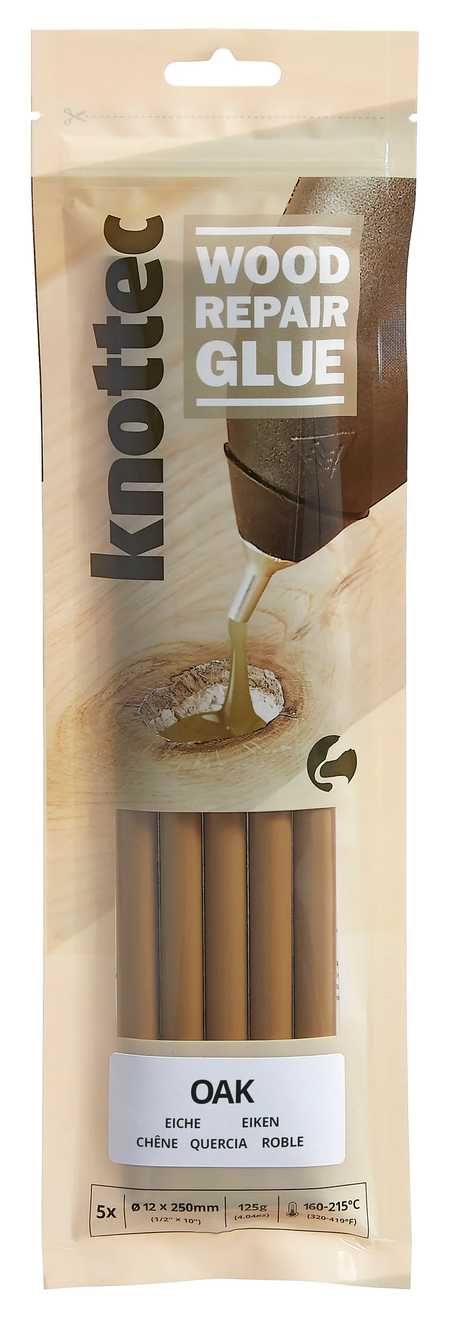
Power Adhesives Knottec Wood Knot Filler Glue Sticks 12mm Oak Hot Glue Pack of 5
$25.50$29.90Unit price /UnavailableIn stock -
 16% off
Power Adhesives
$20.90$24.90Unit price /UnavailableIn stock -
15% off
Power Adhesives
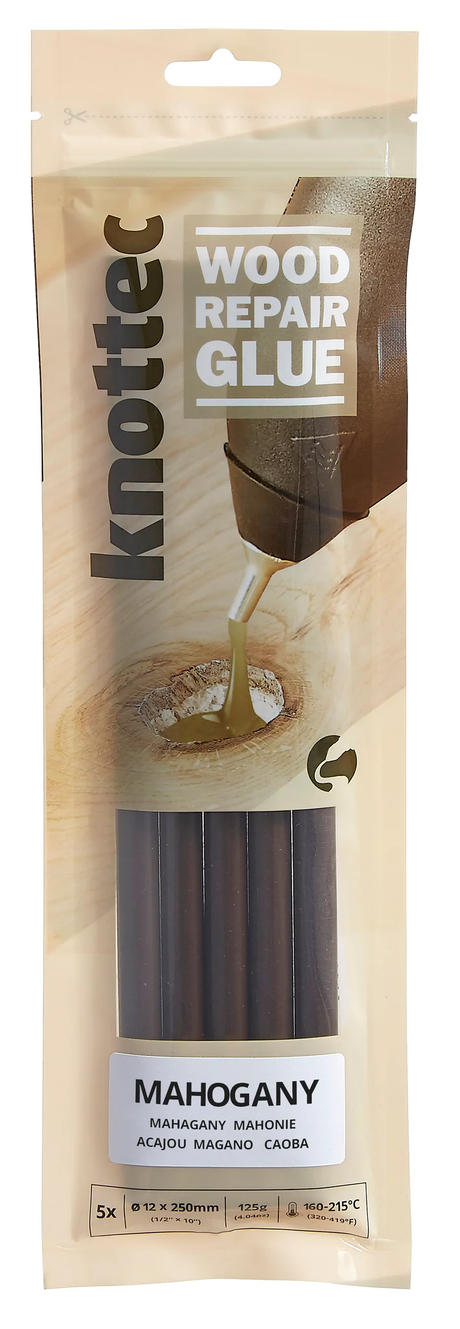
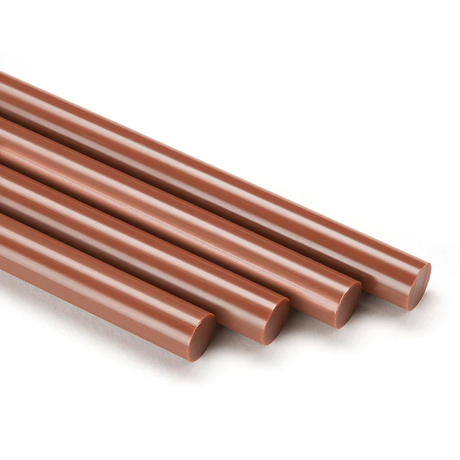
Power Adhesives Knottec Wood Knot Filler Glue Sticks 12mm Mahogany Hot Glue Pack of 5
$25.50$29.90Unit price /UnavailableIn stock -
14% off
Power Adhesives
Tecbond 248 Hot Melt High Strength Construction Adhesive Glue Sticks 12 x 300mm Pack of 20
$38.50$44.90Unit price /UnavailableIn stock -
 Clearance23% off
Power Adhesives
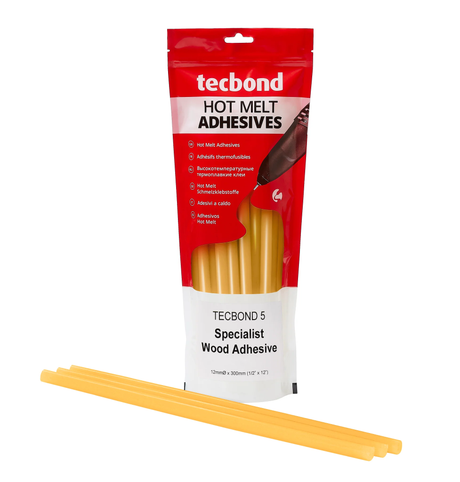
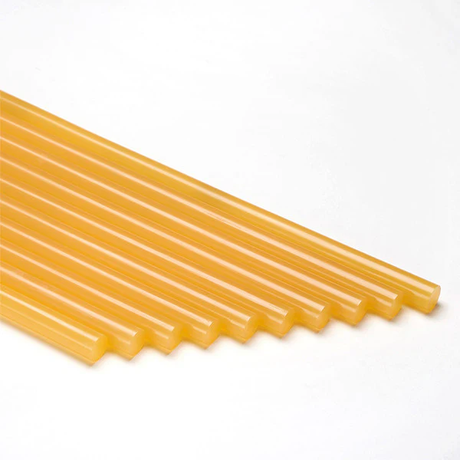
Power Adhesives Tecbond 5 Woodworking & Carpentry Hot Melt Glue Sticks 12 x 300mm Pack of 10
$16.90$21.90Unit price /UnavailableIn stock -
16% off
Power Adhesives
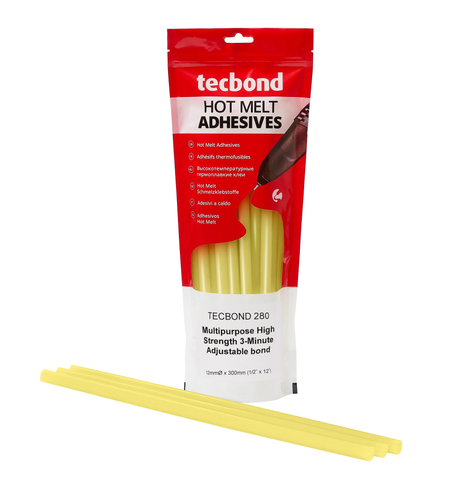
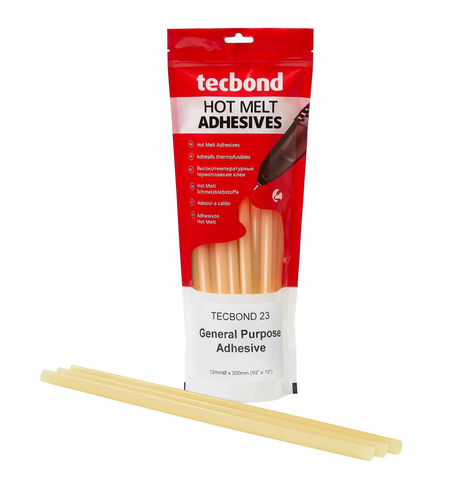
Power Adhesives Tecbond 23 General Purpose Hot Melt Glue Sticks 12 x 300mm Pack of 10
$18.50$21.90Unit price /UnavailableIn stock -
15% off
Power Adhesives
Power Adhesives Knottec Wood Knot Filler Glue Sticks 12mm Walnut Hot Glue Pack of 5
$25.50$29.90Unit price /UnavailableIn stock -
15% off
Power Adhesives
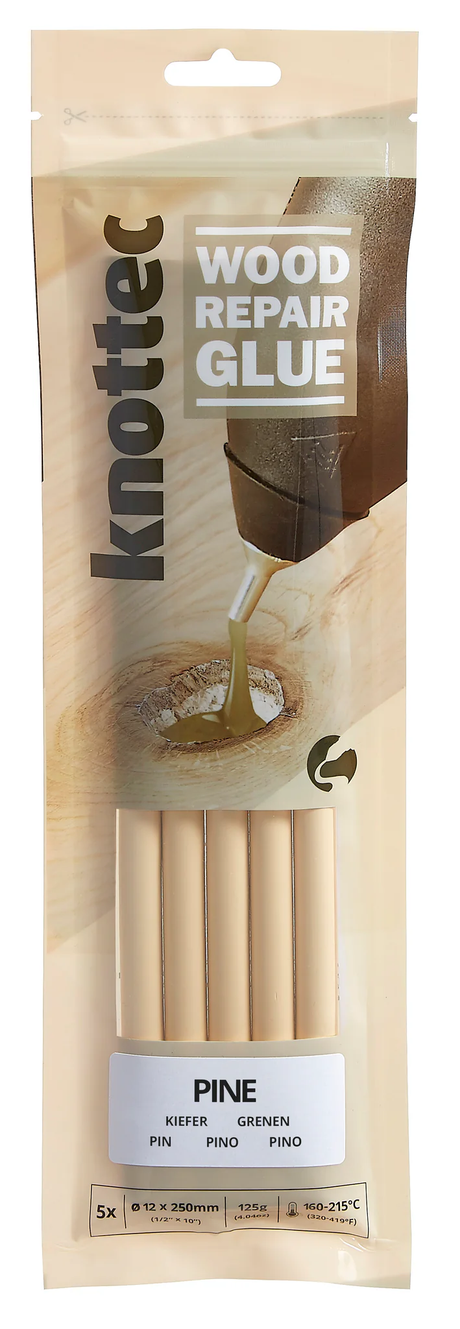
Power Adhesives Knottec Wood Knot Filler Glue Sticks 12mm Pine Hot Glue Pack of 5
$25.50$29.90Unit price /UnavailableIn stock -
15% off
Power Adhesives
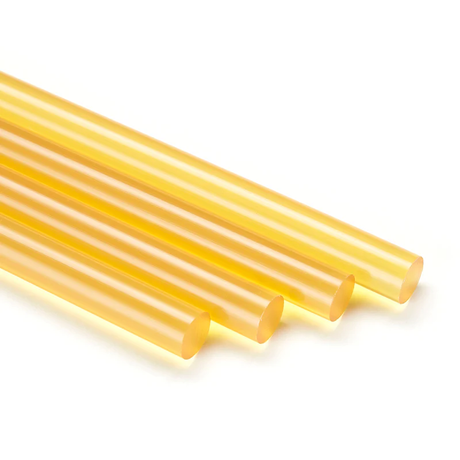
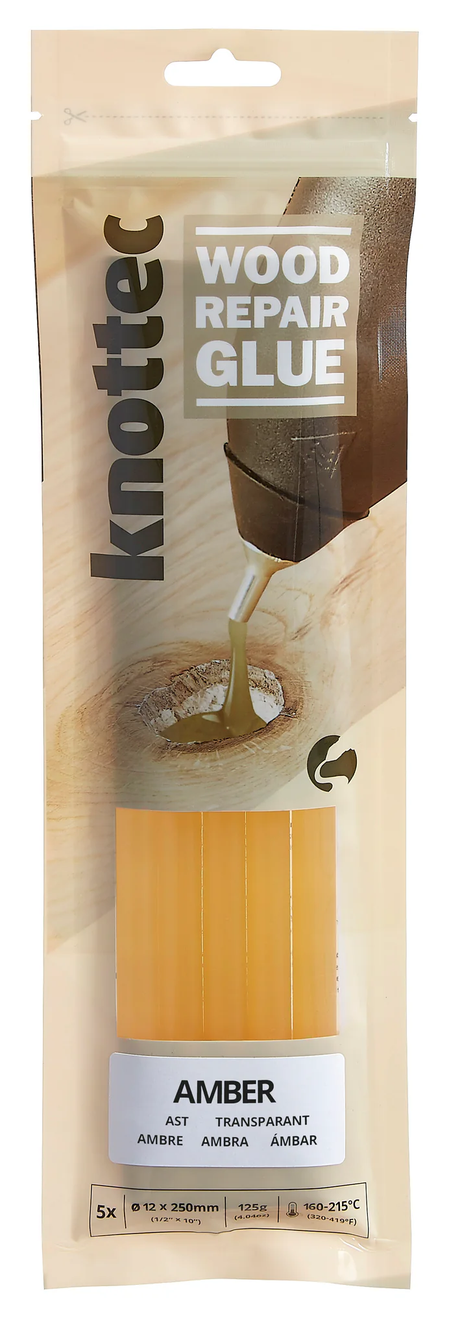
Power Adhesives Knottec Wood Knot Filler Glue Sticks 12mm Amber Hot Glue Pack of 5
$25.50$29.90Unit price /UnavailableIn stock -
15% off
Power Adhesives
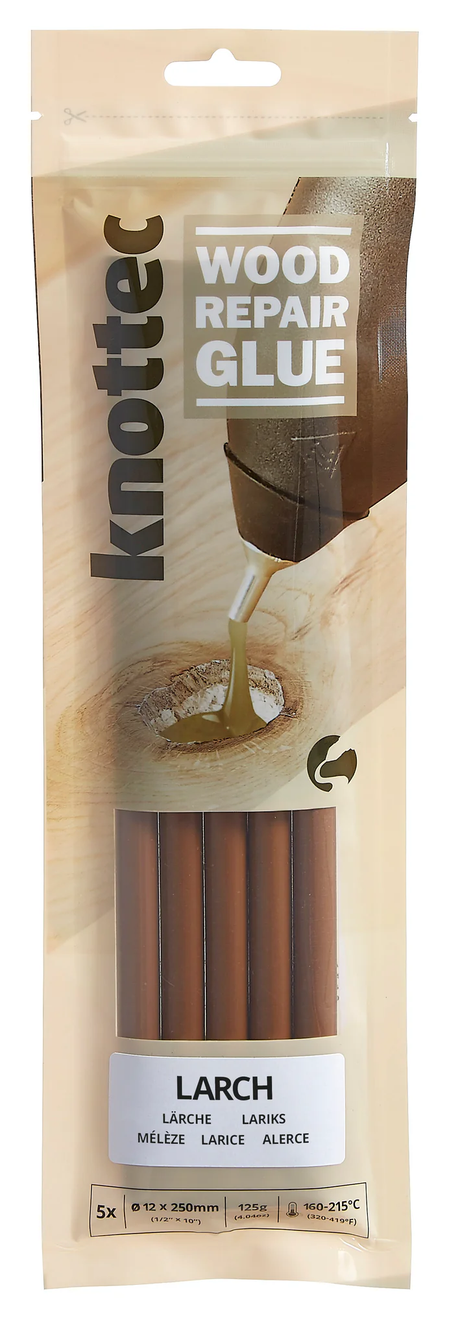
Power Adhesives Knottec Wood Knot Filler Glue Sticks 12mm Larch Hot Glue Pack of 5
$25.50$29.90Unit price /UnavailableIn stock -
15% off
Power Adhesives
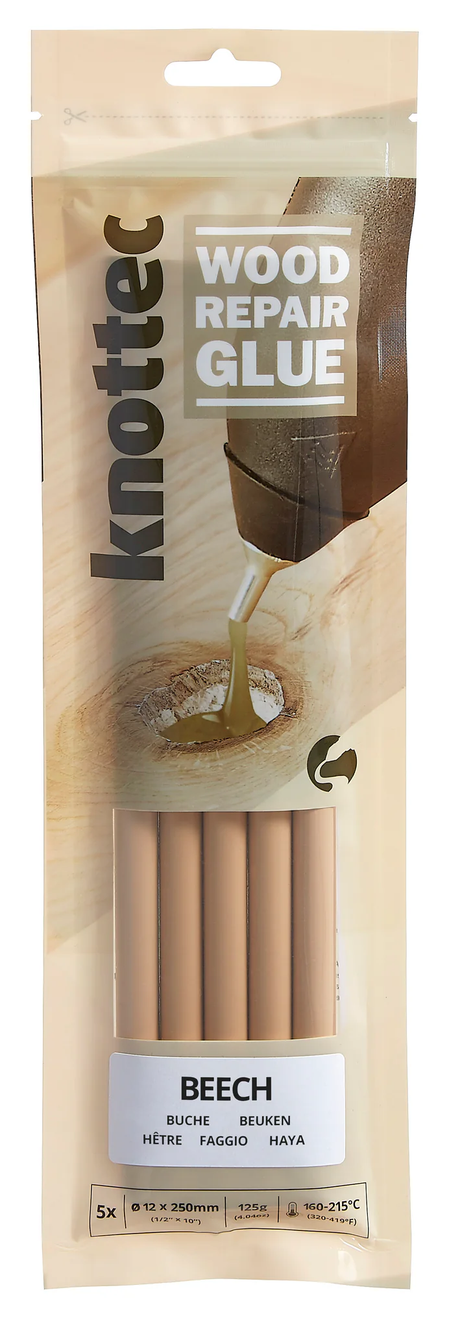
Power Adhesives Knottec Wood Knot Filler Glue Sticks 12mm Beech Hot Glue Pack of 5
$25.50$29.90Unit price /UnavailableIn stock -
15% off
Power Adhesives
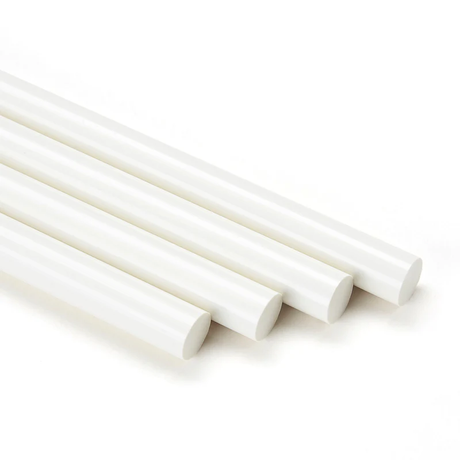
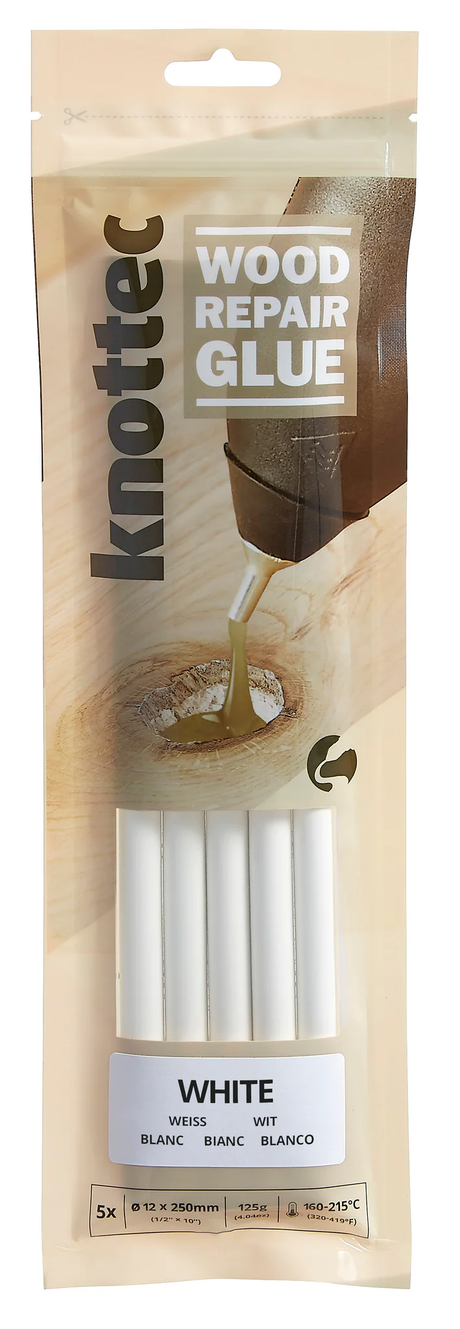
Power Adhesives Knottec Wood Knot Filler Glue Sticks 12mm White Hot Glue Pack of 5
$25.50$29.90Unit price /UnavailableIn stock

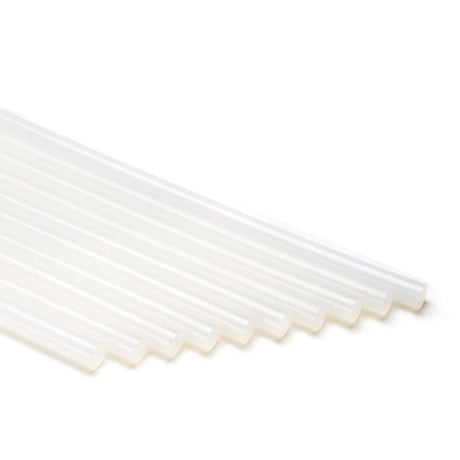
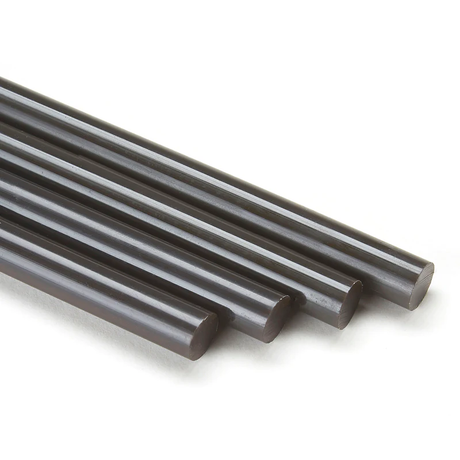
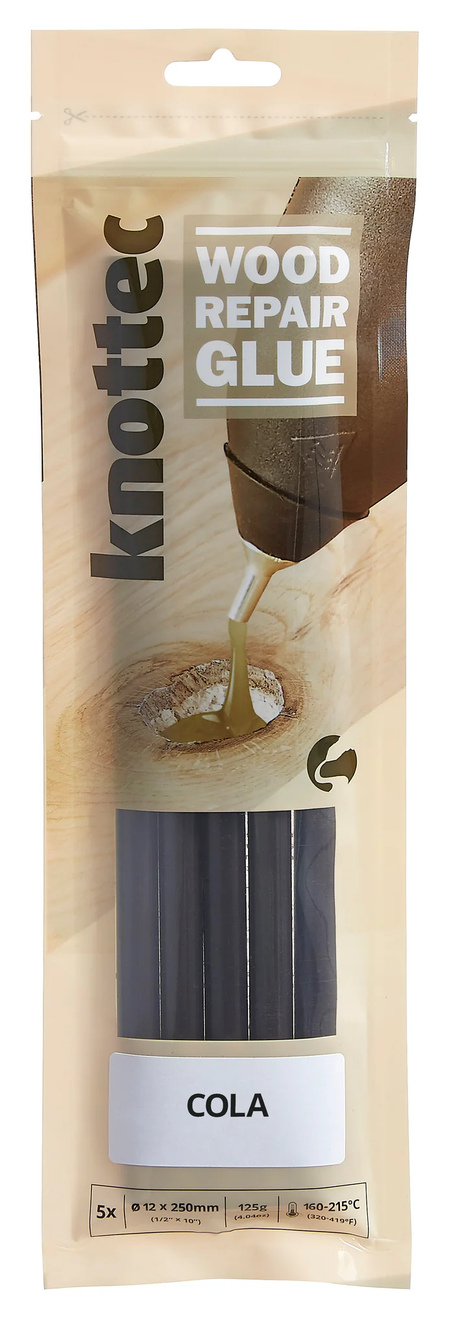
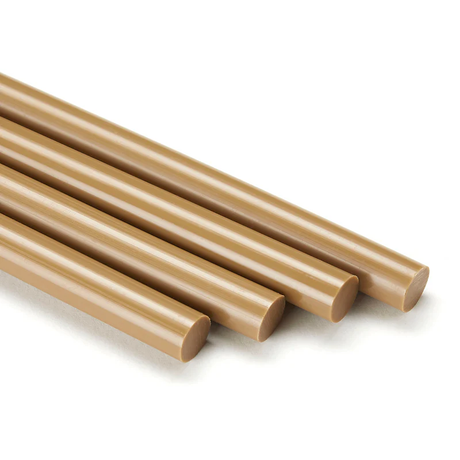
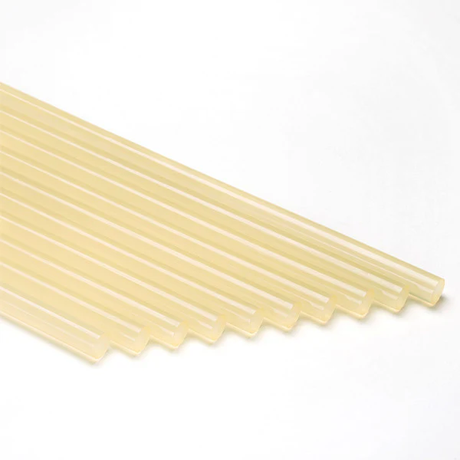
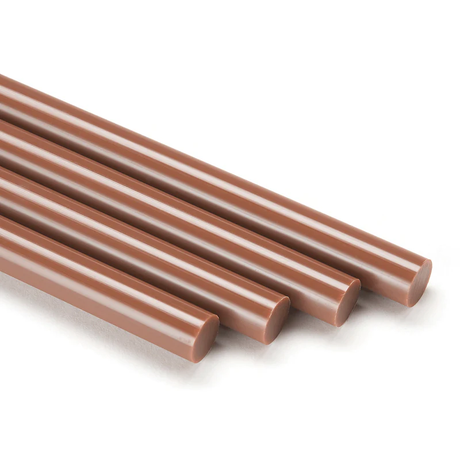
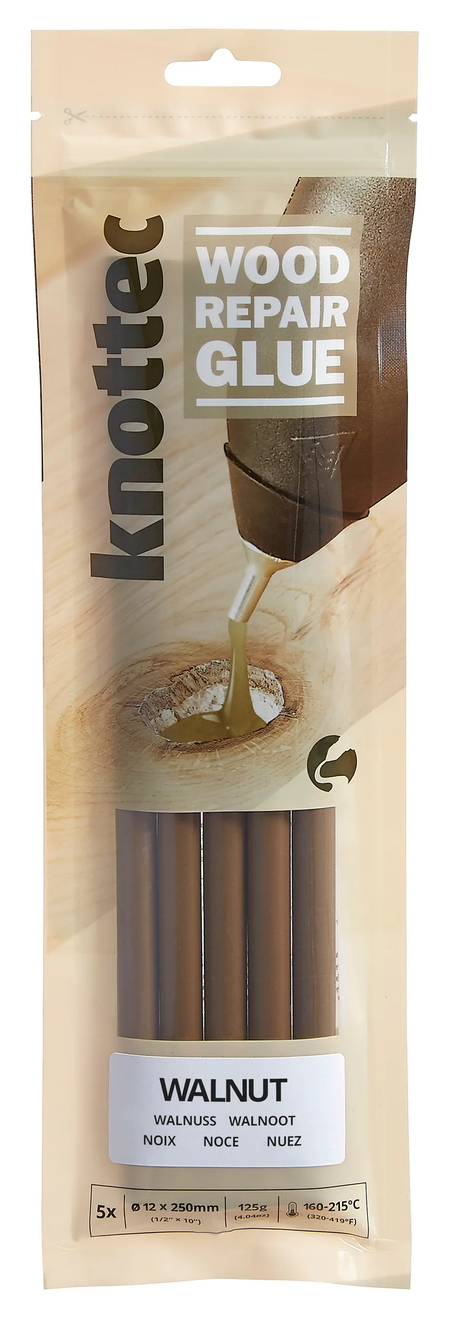
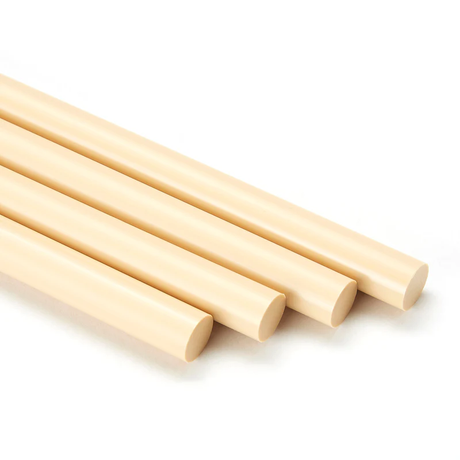
Hot Melt Glue Sticks for Assembly and Workshop Projects
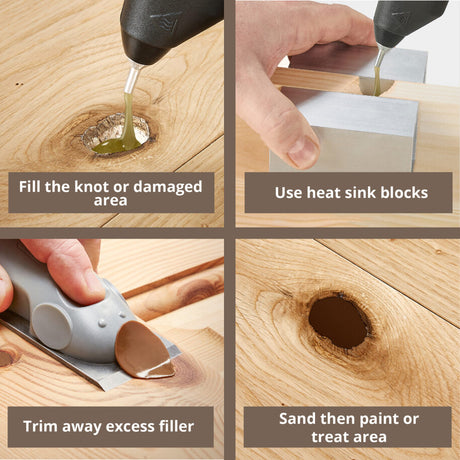
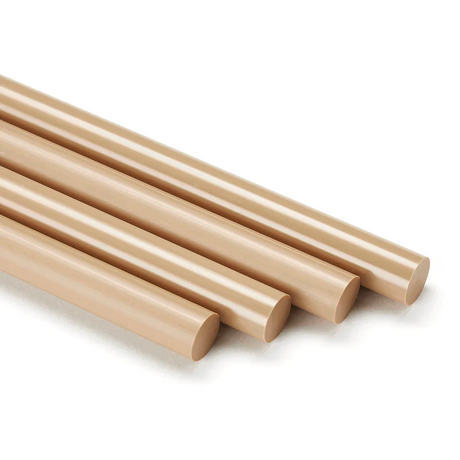
Hot melt glue sticks offer a quick and practical adhesive solution for workshop assembly, repairs, craft projects and temporary fixing tasks. Used with a compatible 12mm hot glue gun, the solid adhesive is heated until molten, applied to the workpiece and then sets as it cools. The short setting time is particularly useful when parts need to be positioned quickly without the extended clamping or curing times associated with many conventional woodworking adhesives.
In a woodworking workshop, hot glue can be useful for much more than basic repairs. Common applications include securing templates, positioning components, constructing jigs, attaching temporary fences or stops and holding workpieces during certain machining or routing operations. Depending on the formulation, hot melt adhesive may also bond materials such as timber, MDF, plywood, cardboard, fabric and selected plastics, making glue sticks a versatile consumable to keep on hand.
Choosing the correct glue stick starts with checking the diameter and operating requirements of the glue gun. Glue guns are designed to feed specific stick sizes, while adhesive formulations can vary in their recommended temperature, open time and suitability for different materials. For reliable adhesion, surfaces should generally be clean, dry and free from sawdust, grease and loose material. Testing the glue on an offcut is worthwhile when working with an unfamiliar timber, coating or plastic.
FAQs
Are hot glue sticks suitable for permanent woodworking joints?
Hot melt adhesive can create useful bonds, but it is better suited to temporary fixing and light-duty applications than structural furniture or joinery. Permanent woodworking joints commonly use purpose-designed wood glues or other structural adhesives selected according to the materials, loads and environmental conditions involved.
How long does hot melt glue take to set?
Hot melt glue normally begins setting within seconds as the adhesive cools. The exact working and setting time varies according to the adhesive formulation, amount of glue applied, glue temperature and workpiece temperature. Large, dense or cold components can remove heat from the adhesive more quickly and therefore shorten the available positioning time.
What materials can hot melt glue sticks bond?
Depending on the adhesive formulation, hot melt glue may be suitable for timber, plywood, MDF, cardboard, fabric and various other porous or non-porous materials. Some plastics can also be bonded, although results differ considerably between plastic types. When material compatibility is uncertain, consult the adhesive specifications and test the bond on scrap material first.
How can I improve adhesion when using a hot glue gun?
Remove sawdust, loose fibres, oil and other contamination before applying the adhesive, and allow the glue gun to reach its proper operating temperature. Apply the glue evenly and assemble the components promptly while it remains molten. Having the parts prepared and correctly positioned before applying the adhesive is particularly important because hot melt glue has a relatively short working time.
Can hot glue be used for temporary workholding?
Yes. Temporary workholding is a useful woodworking application for hot melt glue because it sets quickly and can often be separated later. It may be used to help secure templates, sacrificial components or workpieces for selected operations. The holding method should always be appropriate for the forces involved, particularly around routers, saws and other machinery where a failed bond could create a safety hazard.
Can hot melt glue be removed from timber?
In many situations, cooled hot melt adhesive can be carefully peeled, lifted or scraped away. How easily it releases depends on the timber, surface finish and adhesive used. Avoid aggressive scraping on finished or delicate surfaces, and test any removal technique in an inconspicuous area where surface damage is a concern.