


Moisture Meters – Accurate Timber Readings for Stable Results
Moisture meters are essential tools for any serious woodworker or builder working with solid timber. These devices measure the internal moisture content of wood, helping to determine whether a board is dry enough for joinery, machining, or finishing. Using properly dried timber significantly reduces the risk of movement, splitting, or joint failure in completed projects.
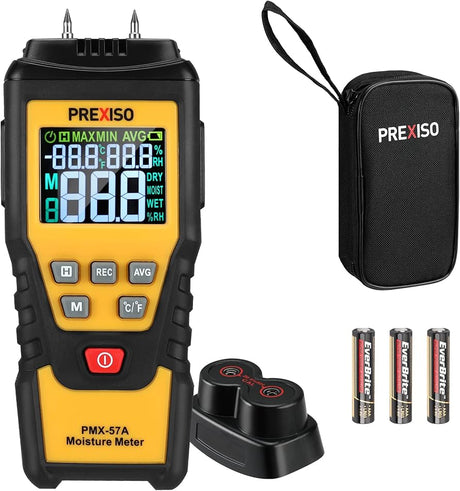
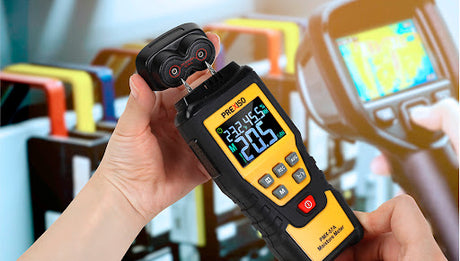
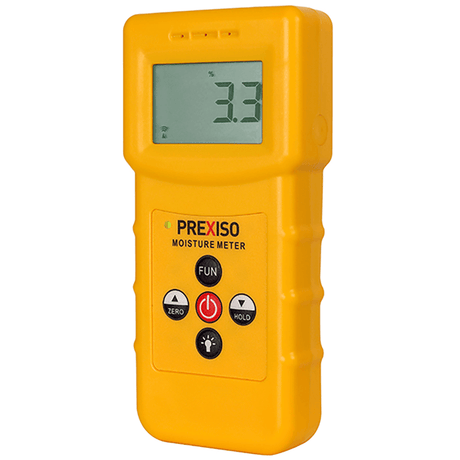
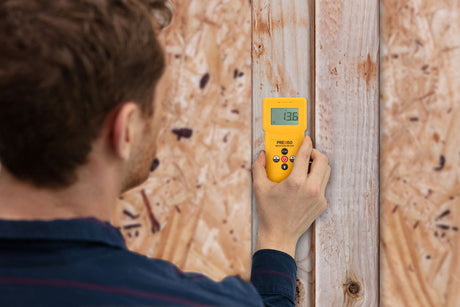
Most meters work by using either pin or pinless technology. Pin meters insert small probes into the wood to gauge resistance, while pinless (or non-invasive) meters scan the surface using electromagnetic sensors. Each has its benefits—pin meters offer deeper readings, while pinless meters avoid surface damage and are ideal for finished or decorative work.
Moisture content is especially important for glued joints, as excess moisture can weaken adhesive bonds. In finishing, wet timber can cause blotchy stain absorption or lead to peeling and cracking of film finishes. By testing each piece before use, you ensure greater stability, longevity, and consistency across your projects.
Whether you work with kiln-dried boards or mill your own timber, a reliable moisture meter takes the guesswork out of preparation. With accurate, real-time data at your fingertips, you can confidently proceed with cuts, glue-ups, or finishes—knowing your material is ready for the job.
FAQs
Why is checking timber moisture important?
Moisture levels affect wood movement, glue strength, and finish quality. Timber that's too wet may warp or crack as it dries, while overly dry wood can be brittle and difficult to work.
What is the ideal moisture content for woodworking?
For most indoor furniture and cabinetry, timber should be between 6–12% moisture content, depending on local humidity. Exterior or structural applications may allow slightly higher levels.
What’s the difference between pin and pinless moisture meters?
Pin meters use metal probes to measure electrical resistance between points in the wood. Pinless meters scan the surface with sensors, offering non-destructive readings but may have shallower depth.
Can moisture meters be used on all types of wood?
Yes, most meters have settings for different wood species or allow manual adjustment. This ensures accuracy across hardwoods, softwoods, and even engineered timber products.
How deep do moisture meters read?
Pin meters measure deeper into the wood, depending on probe length. Pinless meters typically measure 5–20mm beneath the surface, making them ideal for checking finished or surfaced boards.
Can I use a moisture meter for other materials?
Some meters include modes for drywall, concrete, or plaster, but timber-focused models are calibrated specifically for wood. Always check the product specs for multi-material compatibility.
Are moisture meters difficult to use?
No. Most are easy to operate—simply select the correct mode or wood species, place the probes or sensor on the timber, and read the display. Regular calibration ensures long-term accuracy.
Do I need to calibrate my moisture meter?
Some models auto-calibrate, while others require periodic manual calibration using a reference block. Regular calibration ensures your readings remain accurate over time.