




Mirka
Mirlon Woven Abrasive Pad 1500 Grit 152 x 229mm Grey
From $2.45Unit price /UnavailableIn stock
Mirka
Mirlon Woven Abrasive Pad 2000 Grit 152 x 229mm Brown
From $2.45Unit price /UnavailableIn stock-
![Mirka Mirlon Finishing Disc 150mm Pack of 10]()
![Mirka Mirlon Finishing Disc 150mm Pack of 10]()

Mirka
Mirka Mirlon Finishing Pad 360 Grit 152 x 229mm Maroon
From $2.45Unit price /UnavailableIn stock


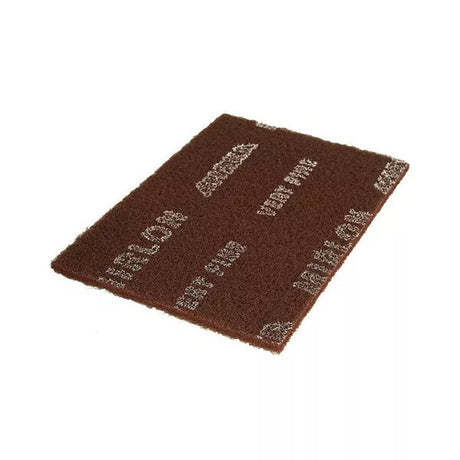

Mirlon Abrasives: Surface Conditioning and Finishing Made Easy
Mirlon abrasives are non-woven sanding pads engineered for surface preparation, fine finishing, and in-between coat smoothing. Unlike traditional sandpaper, Mirlon has a three-dimensional structure that provides consistent abrasion on contoured and flat surfaces alike. This makes it ideal for woodworking applications where even surface quality and minimal scratch depth are required, such as preparing for staining or creating a matte finish on clear coatings.
One of Mirlon’s standout features is its flexibility. The pads conform easily to irregular shapes, mouldings, and profiles without cutting through edges or damaging detailed work. They’re particularly useful for de-nibbing between coats of paint, sealer, or lacquer—removing imperfections like dust nibs or minor brush marks while preserving the integrity of the finish beneath.
Mirlon is available in a range of grades, including Very Fine (360 grit), Ultra Fine (1500 grit), and Micro Fine (2500 grit), each suited to different stages of surface preparation and finishing. These pads can be used dry or wet, by hand or with a sanding block, and are excellent for both bare timber and finished surfaces. The open-web construction resists clogging, allowing longer usage and a more consistent scratch pattern across the surface.
Whether you're refinishing furniture, preparing timber for staining, or smoothing a shellac or lacquered finish, Mirlon offers a user-friendly and effective solution. The pads are also popular in the automotive and marine industries for similar tasks, demonstrating their versatility and consistent performance across various materials and finishes.
FAQs
What is Mirlon used for in woodworking?
Mirlon is commonly used for de-nibbing between coats, creating matte finishes, and surface preparation before staining or sealing. It’s ideal for smoothing without cutting aggressively into the wood or finish.
How is Mirlon different from regular sandpaper?
Unlike sandpaper, Mirlon is non-woven and three-dimensional, which makes it more flexible and less likely to clog. It conforms to shapes and provides even abrasion without cutting too deeply.
Can Mirlon be used wet as well as dry?
Yes, Mirlon is designed for both wet and dry use. Wet sanding with Mirlon reduces dust and can improve the quality of the finish, especially when working with clear coats or painted surfaces.
What grades of Mirlon are available?
Mirlon is typically available in Very Fine (360 grit), Ultra Fine (1500 grit), and Micro Fine (2500 grit). Each grade is suited to different stages of finishing, from general prep to final polishing.
Is Mirlon suitable for sanding between coats of varnish or lacquer?
Yes, Mirlon is ideal for light abrasion between coats of clear finishes. It removes surface dust and imperfections without damaging the previous layer, ensuring smooth and consistent results.
Can I use Mirlon on detailed or shaped woodwork?
Absolutely. Mirlon’s flexible structure makes it perfect for contoured profiles, carvings, and edges. It conforms to the shape of the surface and maintains even pressure throughout sanding.
Does Mirlon produce less dust than regular abrasives?
Yes, Mirlon’s open web design creates less dust and resists clogging. When used wet, it produces minimal airborne particles, contributing to a cleaner and healthier working environment.
How long do Mirlon pads typically last?
Mirlon pads are durable and outlast many types of traditional abrasives, especially in between-coat applications. Their open structure helps them resist clogging, allowing extended use across multiple projects.
Can Mirlon be used for polishing as well?
Yes, higher-grade Mirlon pads (such as Ultra Fine and Micro Fine) are well-suited for polishing and blending high-sheen finishes, especially when used as part of a wet sanding process prior to final buffing.