


 15% off
iGaging
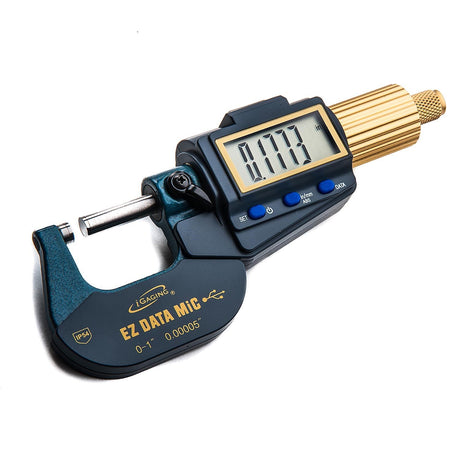
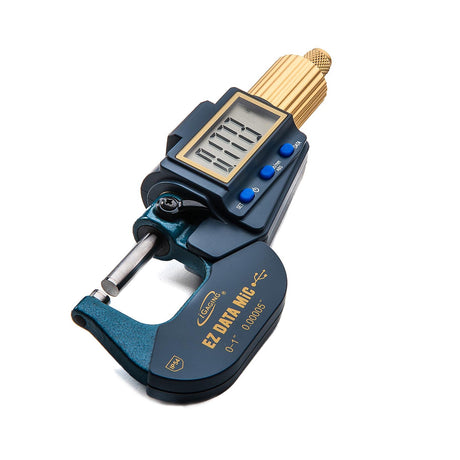
iGaging Digital Micrometer Multi Scale 1in Measuring Capacity
$102.00$119.90Unit price /UnavailableIn stock-
 30% off
Dasqua
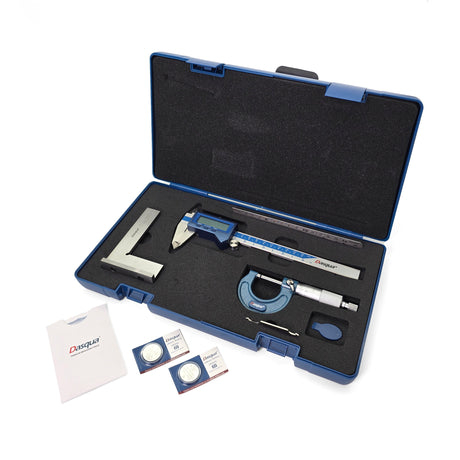
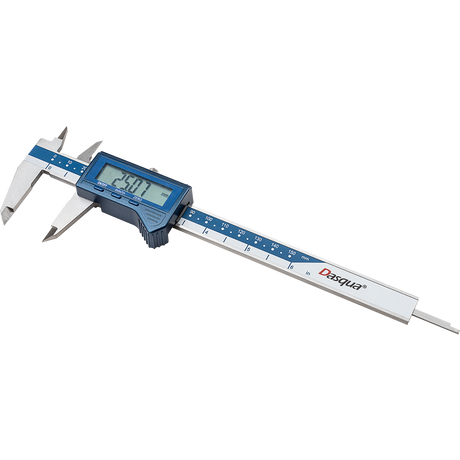
Dasqua General Purpose Measuring Set of 4 with Digital Caliper, Micrometer, Square & Ruler
$139.90$199.90Unit price /UnavailableIn stock
Micrometers for High-Precision Measurement
Micrometers are precision measuring instruments designed for extremely accurate measurement of small dimensions, often to within hundredths or even thousandths of a millimetre. Commonly used in woodworking, machining, and engineering, they are ideal for tasks where tight tolerances are critical, such as fitting components, checking material thickness, or verifying tool setups. Their mechanical design allows for consistent, repeatable measurements that go beyond the capability of standard calipers.
There are several types of micrometers, including outside, inside, and depth micrometers, each suited to specific measurement tasks. Outside micrometers are the most widely used, featuring a spindle and anvil that gently clamp around a workpiece. Many models include a ratchet or friction thimble to ensure consistent measuring pressure, helping reduce user error and improve accuracy across repeated measurements.
Maintaining micrometers is essential to preserving their precision. Measuring faces should be kept clean and free from dust or debris, and the tool should be stored in a protective case when not in use. Regular calibration checks using gauge blocks or standards help ensure accuracy over time. With careful handling and proper technique, micrometers remain a reliable tool for fine measurement in both professional and hobbyist workshops.
FAQs
What are micrometers used for?
Micrometers are used to measure very small dimensions with high accuracy, such as thickness, diameter, and component sizes.
How accurate are micrometers?
They can measure to 0.01 mm or even 0.001 mm, depending on the model and quality of the instrument.
What is the difference between a micrometer and a caliper?
Micrometers offer higher precision for small measurements, while calipers are more versatile for a wider range of measuring tasks.
What types of micrometers are available?
Common types include outside micrometers, inside micrometers, and depth micrometers, each designed for specific measurement applications.
How do I use a micrometer correctly?
Turn the thimble until the spindle contacts the workpiece, then use the ratchet stop to apply consistent pressure before taking the reading.
Do micrometers need calibration?
Yes, regular calibration against known standards ensures the tool maintains its accuracy over time.
How should micrometers be maintained?
Keep them clean and dry, avoid dropping them, and store them in a protective case to prevent damage to the measuring surfaces.