




Luban
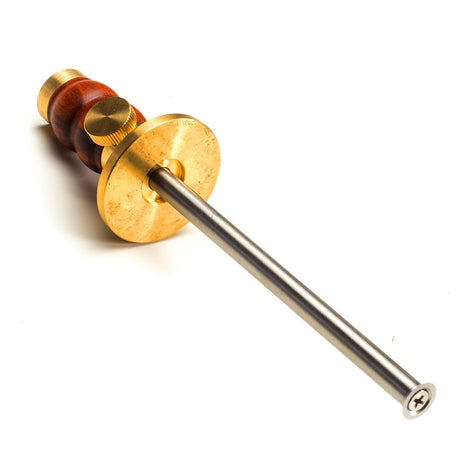
Luban Wheel Marking Gauge 182mm with Micro Adjustment
$69.90Unit price /UnavailableIn stock-
22% off
Luban
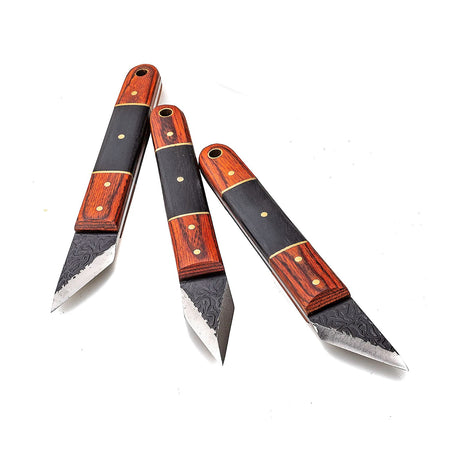
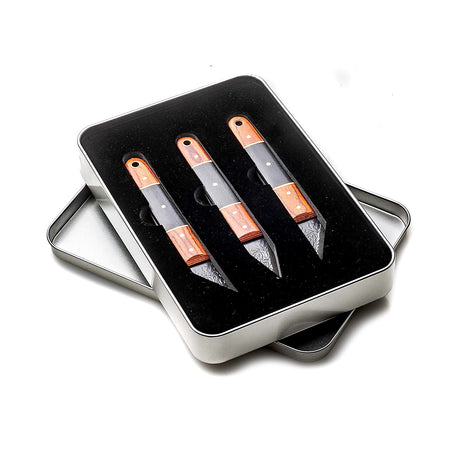
Luban Set of 3 Woodworking Marking Knives M2 HSS
$70.00$89.90Unit price /UnavailableLow stock (9 units) -

Luban
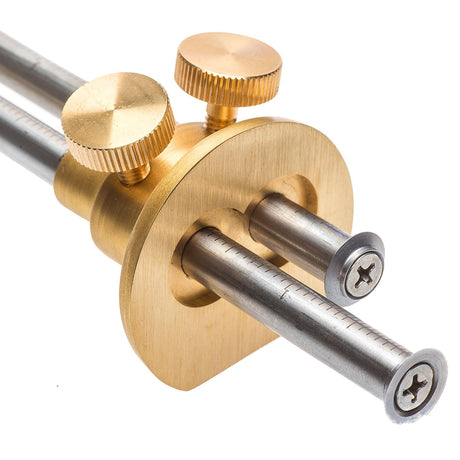
Luban Wheel Mortice Gauge Brass Micro Adjust 150mm Capacity
$99.90Unit price /UnavailableIn stock -
-
 Sold out


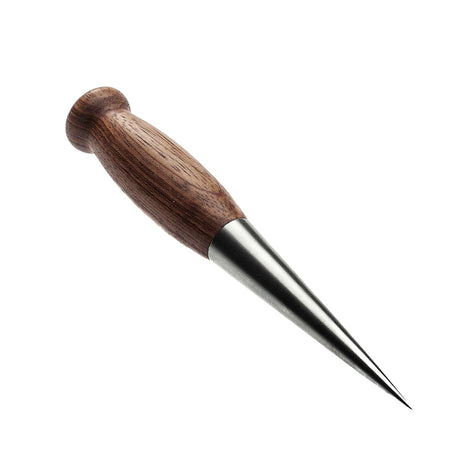
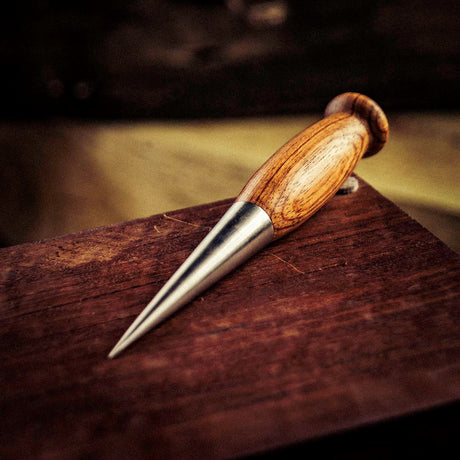
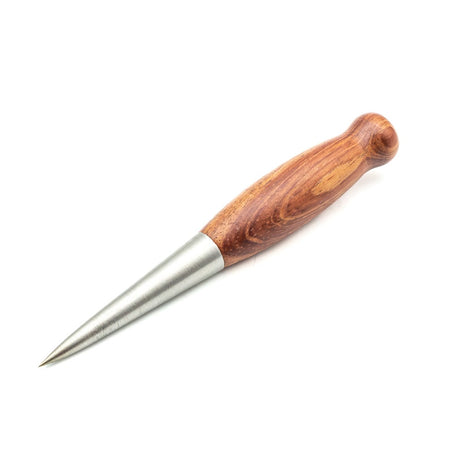
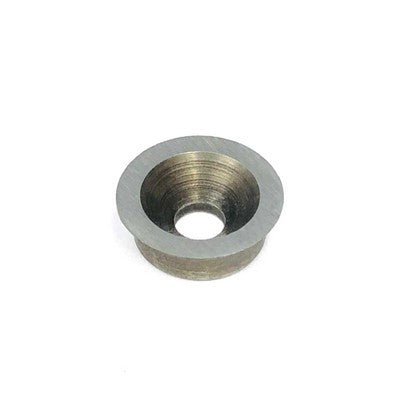
Luban Marking Tools for Accurate Woodworking Layout
Luban marking tools are designed for accurate layout work when preparing timber for cutting, shaping and joinery. Precise marking is an important part of furniture making, cabinetmaking and general woodworking because small layout errors can become larger fitting problems later in a project. Tools such as marking gauges, mortice gauges and marking knives allow reference lines to be established directly from an edge, face or existing component rather than relying solely on measurements.
A marking gauge is particularly useful for scribing a consistent line parallel to the edge of a workpiece. Depending on the design, a cutting wheel or other sharp cutter scores the timber fibres rather than simply drawing on the surface. This produces a fine reference line that can be easier to follow when sawing, chiselling or planing and can help sever surface fibres before waste is removed. Mortice-style marking tools perform a similar role when laying out paired lines for mortices, tenons and related joinery.
Marking knives complement gauges and other layout tools by creating crisp lines across or along timber. A knife line provides a precise physical reference for positioning a chisel or guiding the initial strokes of a hand saw. This is particularly valuable when cutting dovetails, tenons, housings and other joints where the accuracy of the finished fit depends on working consistently to the correct side of the layout line.
FAQs
What is a marking gauge used for in woodworking?
A marking gauge scribes a line at a consistent distance from a reference edge or face. The fence runs against the reference surface while the cutter marks the timber. Typical applications include marking tenon shoulders and cheeks, setting component thicknesses, laying out rebates and establishing lines that will later be worked to with a saw, chisel or hand plane.
What is the advantage of a wheel marking gauge?
A wheel marking gauge uses a small circular cutter to score a narrow line into the timber. The cutting action can produce a crisp reference line and works both with and across the grain when properly sharpened and used with controlled pressure. A wheel cutter can also sever surface fibres, which may help produce a clean boundary before chiselling or planing to the marked line.
What is the difference between a marking gauge and a mortice gauge?
A standard marking gauge generally establishes a single line parallel to a reference surface. A mortice gauge is designed to establish two parallel lines, making it useful for laying out the sides of mortices and corresponding tenons. The spacing is set to suit the intended joint, allowing matching components to be marked from a consistent setup.
Why use a marking knife instead of a pencil?
A marking knife creates a much finer physical reference than a typical pencil line. The scored line can positively locate a chisel edge and provide a clear boundary for precise sawing. Because the knife cuts surface fibres, it can also help create a cleaner edge when waste is subsequently removed. Pencils remain useful for general layout, but knife lines are often preferred for precision joinery.
Should marking tools be kept sharp?
Yes. Marking knives and gauge cutters rely on a keen cutting edge to create narrow, predictable lines. A dull cutter can require excessive pressure and may follow the grain instead of the intended path. Periodic honing or sharpening, as appropriate for the cutter design, helps maintain accuracy and makes the tool easier to control.
Can marking gauges be used across the grain?
Cutting-style marking gauges can generally mark both along and across the grain, although technique matters. Across the grain, use a sharp cutter and light pressure to score the fibres cleanly without tearing the surface. Several controlled passes are usually preferable to trying to create a deep line in a single stroke.