



Pica Marker
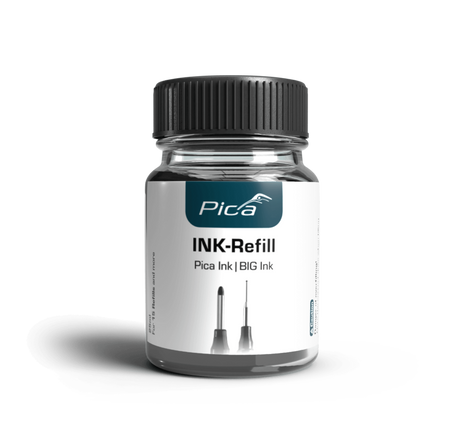
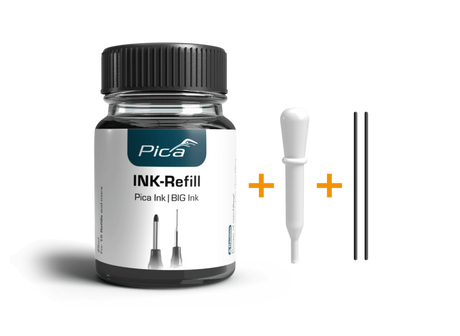
Pica Marker Black Ink Refill Set 25mL suits Pica Ink & BIG Ink Markers
$14.50Unit price /UnavailableVery low stock (2 units)
 Sold out
-
Sold out
-
-
18% off
Pica Marker
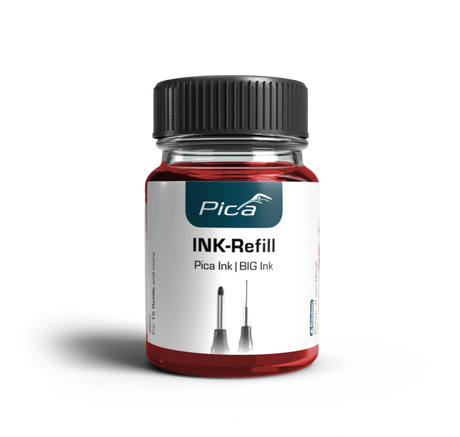
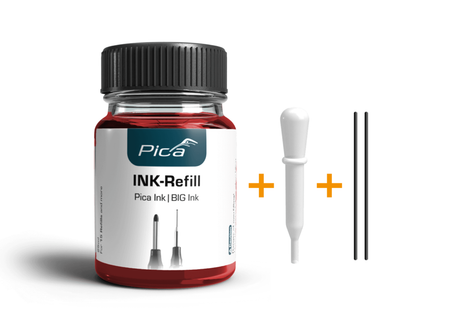
Pica Marker Red Ink Refill Set 25mL suits Pica Ink & BIG Ink Markers
$11.90$14.50Unit price /UnavailableLow stock (2 units) 
Shinwa
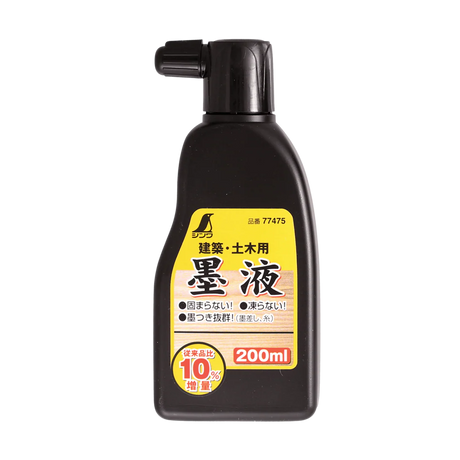
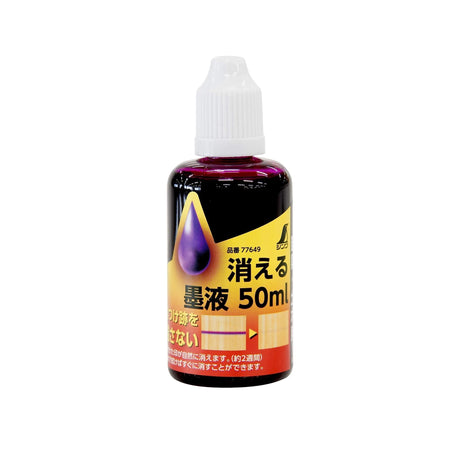
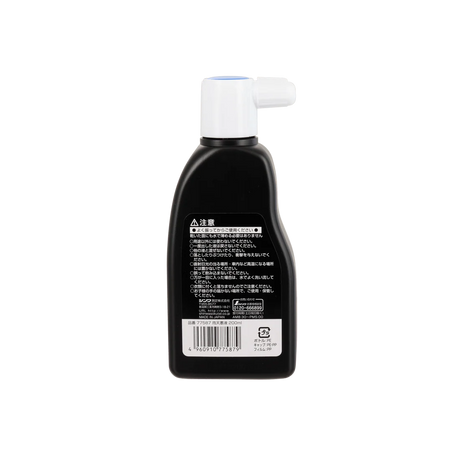
Shinwa Disappearing Ink Black 50mL suits Shinwa Line Marker
$20.90Unit price /UnavailableIn stock-


Shinwa
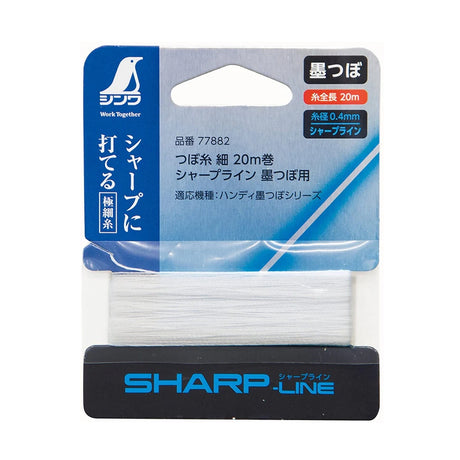
Shinwa Replacement String 0.4mm for Ink Line Marker 20m Length
$19.90Unit price /UnavailableVery low stock (3 units)
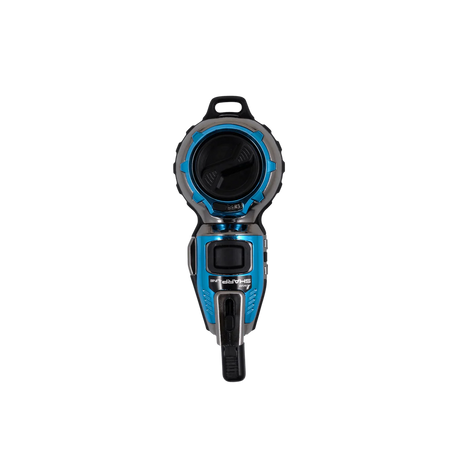
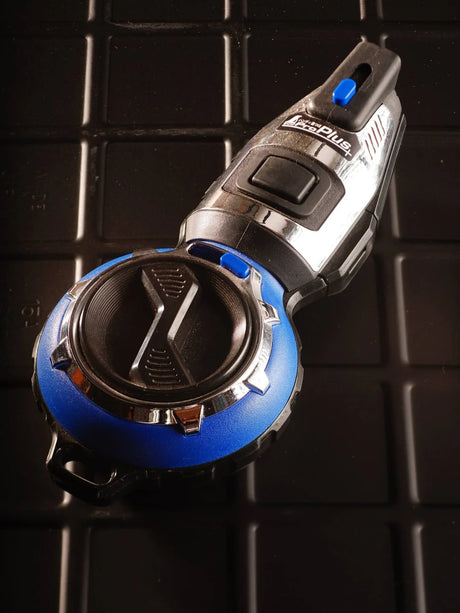
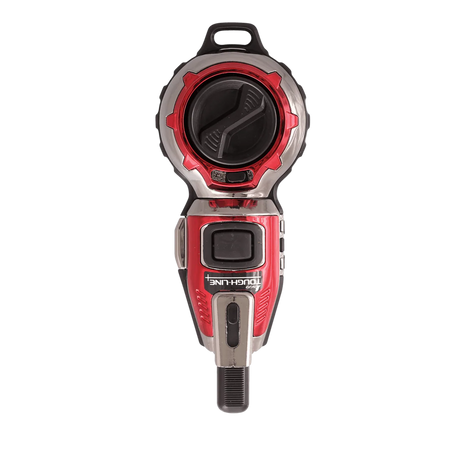
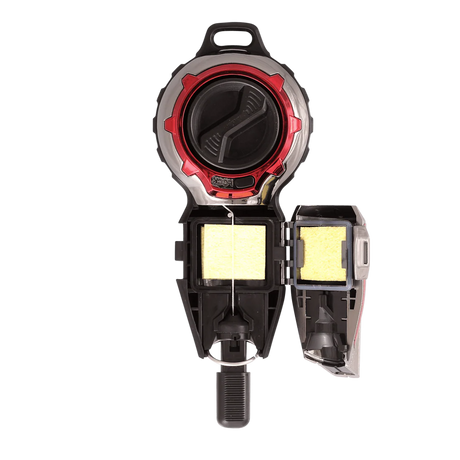
Ink Line Markers – Precision Marking for Traditional and Fine Woodworking
Ink line markers offer an exceptionally accurate way to mark long, straight lines across timber surfaces. Unlike chalk lines, which can be fuzzy, dusty, or easily smudged, ink lines produce a crisp, consistent mark that remains visible during cutting, planing, or assembly. Originally developed in Japanese carpentry, these tools are prized for their reliability, control, and minimal clean-up requirements.
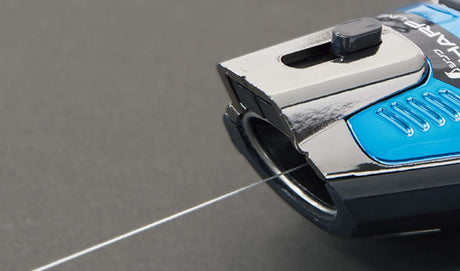
An ink line marker works by drawing a fine thread through an ink reservoir and snapping it against the work surface, leaving a sharp, dark line. The result is a clean reference line ideal for layout tasks such as joint alignment, cutting guides, mortising, or any operation that demands precision. These tools are particularly useful when accuracy is critical—such as in furniture making, cabinetry, or joinery work.
Ink lines are available with different thread types and ink viscosities to suit various applications. Fine threads produce cleaner, thinner marks ideal for indoor and finished work, while heavier threads may be used in framing or rougher layouts. Unlike chalk, ink doesn't easily brush off or obscure your vision—perfect when working with machinery or power tools.
For woodworkers seeking a step up in layout accuracy, especially in traditional or detail-oriented disciplines, an ink line marker is a valuable addition to the toolkit. It combines speed with precision and reduces the need to constantly remark lines during complex builds.
FAQs
What is the difference between an ink line and a chalk line?
Ink lines use liquid ink and a fine thread to produce sharp, dark marks, while chalk lines rely on powdered chalk that can be less precise and more prone to smudging or rubbing off.
Why are ink lines popular in Japanese woodworking?
Japanese carpentry places a strong emphasis on precision, and ink lines provide clear, accurate markings that support detailed joinery and fine craftsmanship without obscuring the wood surface.
Can ink lines be used on all types of wood?
Yes, ink line markers can be used on most timber types, including softwoods and hardwoods. However, for best visibility, darker inks are recommended on lighter woods and vice versa.
Does the ink smudge or bleed into the wood grain?
Quality ink line markers use quick-drying ink that minimises smudging or bleeding. Fine threads also help reduce excess ink application, keeping the lines crisp and clean.
Are ink lines suitable for outdoor or rough framing work?
Ink lines are best suited for precision layout and indoor woodworking. For rough outdoor framing or work on dusty job sites, chalk lines may still be more appropriate due to speed and visibility in direct sunlight.
Do I need special ink for these markers?
Yes, it’s best to use ink formulated for ink line markers—these inks are designed for optimal flow, fast drying, and long-lasting marks. Avoid using standard writing inks or dyes that may bleed or clog the mechanism.
How do I maintain an ink line marker?
Keep the thread clean and replace it if it becomes frayed or saturated. Refill with the correct ink as needed, and store the marker upright to prevent leaks or drying out.
Can I remove an ink line after marking?
Ink lines are intended to be permanent during the build process. If needed, light sanding can remove the line depending on the ink type and wood species, but they are generally meant to stay visible throughout construction.