



-

TRT
Baladonia Japanese Replacement Blade 18TPI for Heavy-Duty Hand Mitre Saw
$29.90Unit price /UnavailableIn stock-
-
TRT
Baladonia Replacement Blade 14TPI for Heavy-Duty Hand Mitre Saw
$29.90Unit price /UnavailableIn stock -
TRT
Baladonia 18TPI Blade for Compound Mitre Saw Japanese Pattern Teeth
$34.90Unit price /UnavailableIn stock
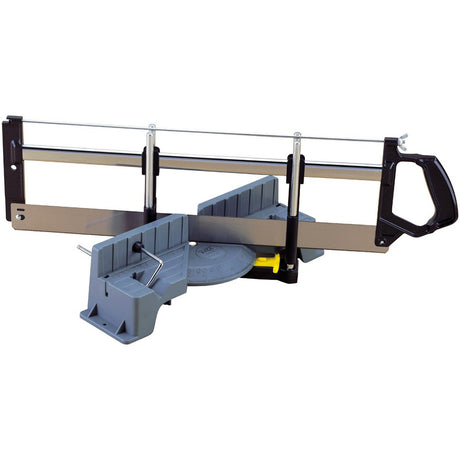
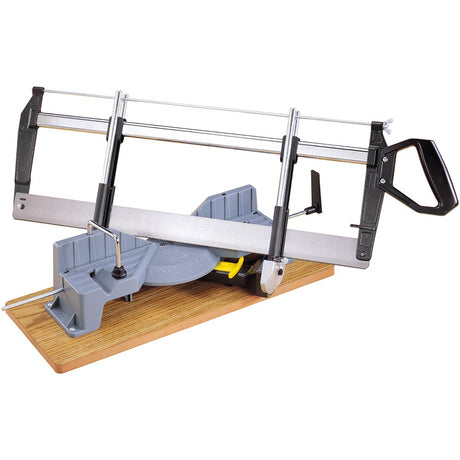
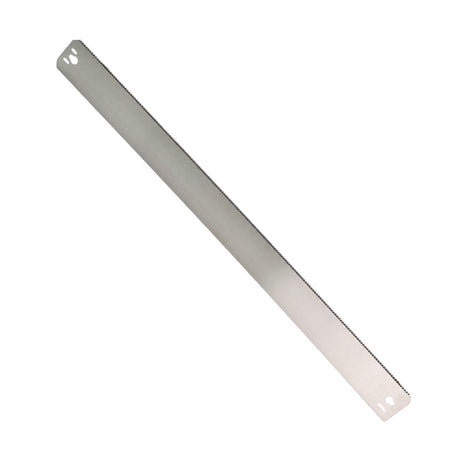
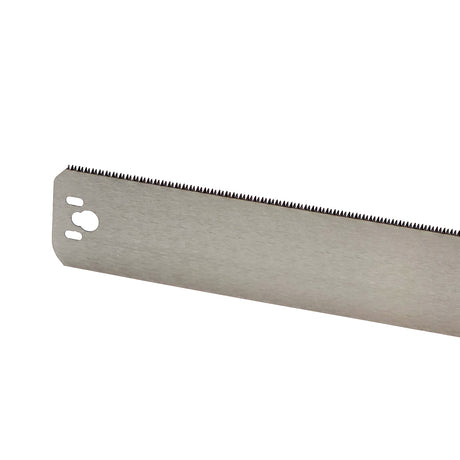


Handheld Mitre Saws for Accurate Crosscuts and Angled Cuts
Handheld mitre saws provide a controlled way to make accurate crosscuts and angled cuts without relying on powered machinery. Commonly used for mouldings, trim, picture frames, small furniture components and general joinery, these saws are particularly useful when a clean, repeatable cut is more important than high-volume production. A fine-toothed blade can leave a smooth surface that requires minimal additional preparation before fitting or finishing.
Depending on the design, a manual mitre saw may be paired with a mitre box or incorporated into a dedicated frame that guides the blade at selected angles. Common settings such as 90 degrees and 45 degrees make it easier to produce square crosscuts and mitred corners, while adjustable systems can accommodate less common angles. Keeping the workpiece firmly supported against the fence is important, as even slight movement during the cut can affect the final joint.
Blade selection also influences the quality and speed of a cut. Saws with finer teeth are generally well suited to precise work in mouldings and finished components, whereas coarser teeth remove material faster but can leave a rougher surface. Tooth geometry, blade length, kerf and the material being cut should all be considered when selecting a hand saw for mitre work. Where exceptionally clean edges are required, marking the cut with a knife and supporting delicate fibres can also help reduce breakout.
FAQs
What is a handheld mitre saw used for?
A handheld mitre saw is primarily used to make controlled crosscuts and angled cuts in timber and similar materials. Typical applications include cutting mouldings, picture-frame components, trim, small furniture parts and pieces for joinery. When used with an appropriate guide or mitre box, it can produce repeatable angles without the noise, dust and space requirements of a powered mitre saw.
What is the difference between a handheld mitre saw and a mitre box?
The saw is the cutting tool, while a mitre box is a guide that helps hold the saw at a predetermined angle to the workpiece. Traditional mitre boxes commonly provide slots for 90-degree and 45-degree cuts. More sophisticated manual mitre saw systems may combine a saw with an adjustable frame or guide that allows a wider range of accurately controlled angles.
Can a handheld mitre saw cut accurate 45-degree angles?
Yes. A suitable hand mitre saw and accurately made guide can produce precise 45-degree cuts for frames, mouldings and other mitred joints. Accuracy also depends on keeping the work firmly positioned, using good sawing technique and ensuring the guide itself is correctly set. For demanding work, test cuts on scrap timber can help verify the angle before cutting finished components.
What type of handheld saw is best for cutting mitres?
A fine-toothed saw designed for controlled crosscutting is generally preferred for precise mitre work. Backsaws are particularly useful because their reinforced spine helps keep the blade rigid during the cut. The ideal tooth count and blade configuration depend on the timber and dimensions involved, with finer teeth typically favoured for mouldings and other work where surface quality is important.
Are manual mitre saws suitable for picture framing?
Manual mitre saws can be very effective for picture framing because they offer good control when cutting the matching 45-degree mitres required at frame corners. A fine blade can also minimise surface damage on finished mouldings. Consistent component length is just as important as angle accuracy, so using a stop when cutting matching pieces can improve repeatability.