



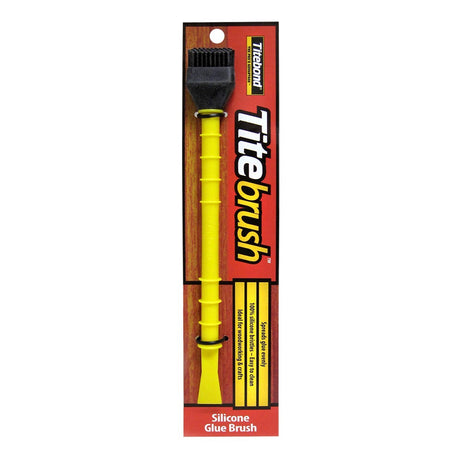
Titebond
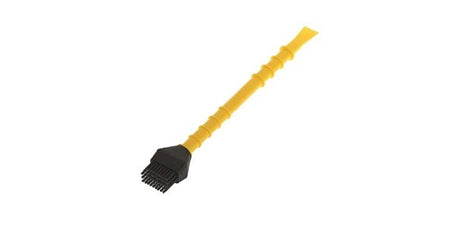
Titebond Tite Brush Non-Stick Silicone Glue Brush
$6.50Unit price /UnavailableVery low stock (10+ units)-
 Save $0.00
FastCap
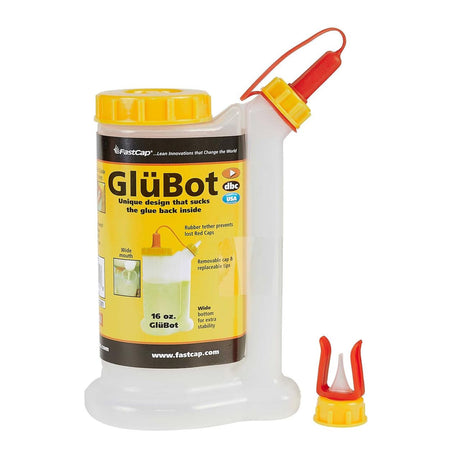
FastCap GluBot Glue Pot Dispenser Bottle Non-Drip 448mL
From $17.50Unit price /UnavailableVery low stock (5 units) -
Save $0.00
Milescraft
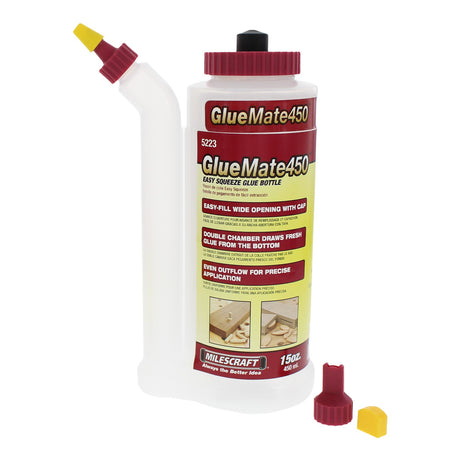
Milescraft GlueMate450 Glue Pot Dispenser Bottle Non-Drip 450mL
From $11.90Unit price /UnavailableLow stock (10+ units)  Sold outSave $0.00
FastCap
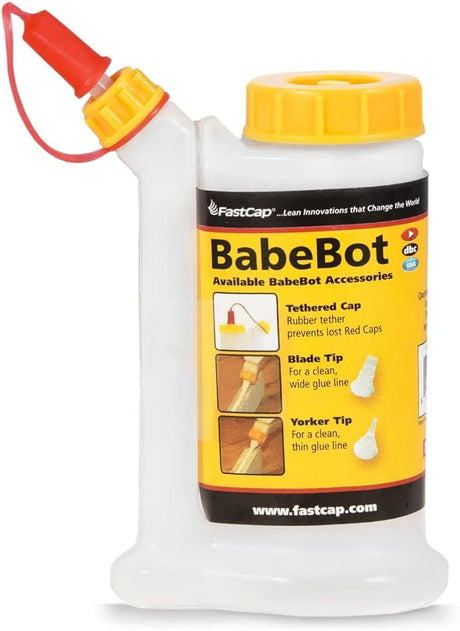
FastCap BabeBot Glue Pot Dispenser Bottle Non-Drip 112mL
From $11.90Unit price /Unavailable-
-
NSB
Sili-Glue Silicon Glue Application Set Non-Stick Brush and Spreader Set
$27.90Unit price /UnavailableIn stock -
Save $0.00
Milescraft
Milescraft GlueMate150 Glue Pot Dispenser Bottle Non-Drip 150mL
From $8.50Unit price /UnavailableLow stock (10+ units) -
FastCap
FastCap Blade Tips for GluBot Glue Pot Dispenser Bottle Non-Drip 448mL Pack of 5
$3.25Unit price /UnavailableLow stock (9 units) -
FastCap
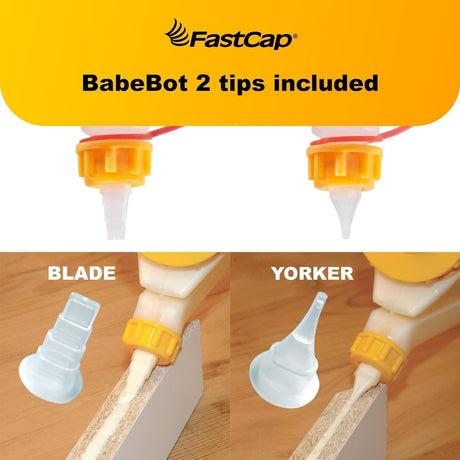
FastCap Blade Tips for BabeBot Glue Pot Dispenser Bottle Non-Drip 112mL Pack of 5
$3.25Unit price /UnavailableIn stock 
FastCap
FastCap Caps for GluBot Glue Pot Dispenser Bottle Non-Drip 448mL Pack of 5
$3.25Unit price /UnavailableIn stock-

FastCap
FastCap Caps for BabeBot Glue Pot Dispenser Bottle Non-Drip 112mL Pack of 5
$3.25Unit price /UnavailableIn stock 
FastCap
FastCap Yorker Tips for BabeBot Glue Pot Dispenser Bottle Non-Drip 112mL Pack of 5
$3.25Unit price /UnavailableIn stock-
FastCap
FastCap Yorker Tips for GluBot Glue Pot Dispenser Bottle Non-Drip 448mL Pack of 5
$3.25Unit price /UnavailableIn stock



Glue Bottles and Brushes for Accurate Woodworking Adhesive Application
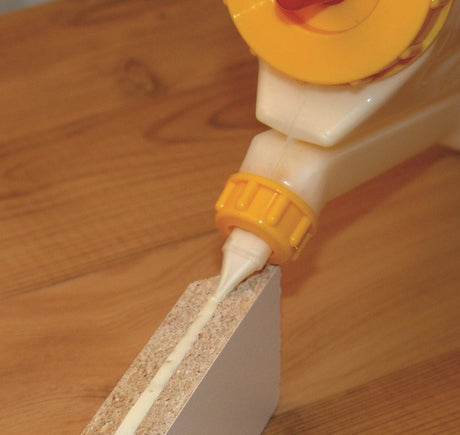
Applying wood glue with precision is essential for achieving strong, clean joints in any woodworking project. Glue bottles and brushes are designed to give you better control over the amount and placement of adhesive, helping to reduce squeeze-out and ensure even coverage. Whether you're working on fine joinery, edge gluing panels, or assembling cabinetry, the right applicator can significantly improve both efficiency and final results.
Glue bottles typically feature narrow nozzles or adjustable tips that allow for controlled dispensing into tight joints such as dovetails, mortises, or biscuit slots. Many are designed for easy refilling and cleaning, which is especially useful when working with different adhesive types such as PVA, polyurethane, or hide glue. Brushes, on the other hand, are ideal for spreading glue across larger surfaces or ensuring full coverage in uneven grain patterns. Silicone or synthetic bristles are often preferred for their durability and ease of cleanup.
Maintaining your glue applicators is just as important as selecting the right one. Dried adhesive can clog nozzles or stiffen brush bristles, reducing accuracy over time. Regular cleaning after use, along with proper storage, helps extend the lifespan of your tools and ensures consistent performance. For workshops handling frequent glue-ups, having multiple applicators on hand can streamline workflow and prevent cross-contamination between different glue types.
FAQs
What type of glue bottle is best for woodworking?
Bottles with fine or interchangeable nozzles are ideal for woodworking, as they allow precise application into joints and reduce waste. Look for designs that are easy to squeeze and refill.
When should I use a glue brush instead of a bottle?
Glue brushes are best for spreading adhesive over larger surfaces, such as panels or laminations, where even coverage is more important than pinpoint accuracy.
How do I prevent glue bottles from clogging?
Regularly clean the nozzle after use and avoid leaving glue exposed to air for extended periods. Some bottles can be stored upside down to keep the tip ready for use.
Can I use the same applicator for different types of glue?
It’s generally best to dedicate separate applicators to different glue types to avoid contamination, especially when switching between water-based and polyurethane adhesives.
What’s the best way to clean glue brushes?
Rinse brushes immediately after use with warm water for PVA glues, or follow the manufacturer’s recommendations for other adhesive types. Avoid letting glue dry in the bristles.
Do glue applicators affect joint strength?
While the applicator itself doesn’t change glue strength, it plays a key role in achieving even coverage. Poor application can lead to weak spots or gaps in the bond.
Are silicone glue brushes better than traditional bristle brushes?
Silicone brushes are easier to clean and resist glue build-up, making them a practical choice for repeated use. Traditional bristle brushes may offer finer control in some applications but require more maintenance.