


 15% off
-
17% off
Fisch
Fisch Professional HSS Brad Point Drill Bits
From $9.90$11.90Unit price /UnavailableIn stock -
15% off
Fisch
Fisch Standard HSS Brad Point Extra Long Drill Bits 200mm Cutting Length
From $27.90$32.90Unit price /UnavailableIn stock -
15% off
Fisch
Fisch Standard HSS Brad Point Long Drill Bits 135mm Cutting Length
From $22.50$26.50Unit price /UnavailableIn stock
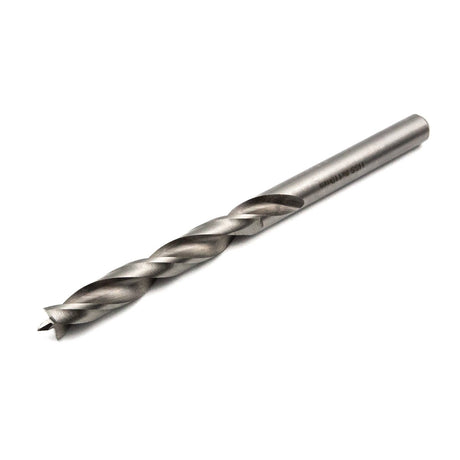
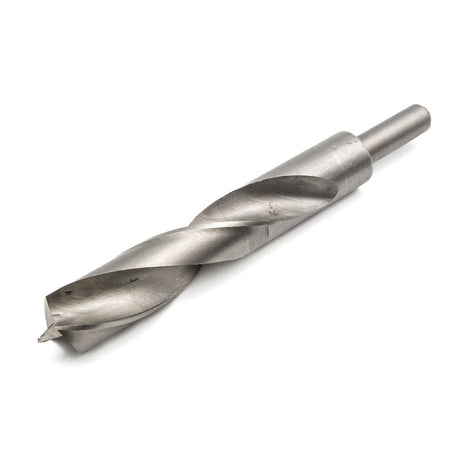
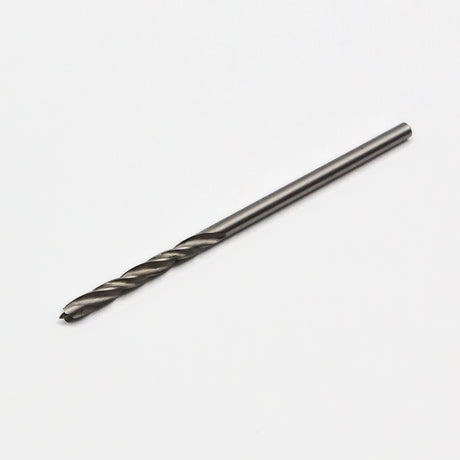
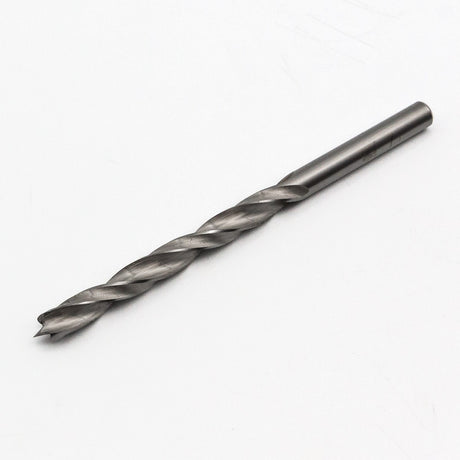
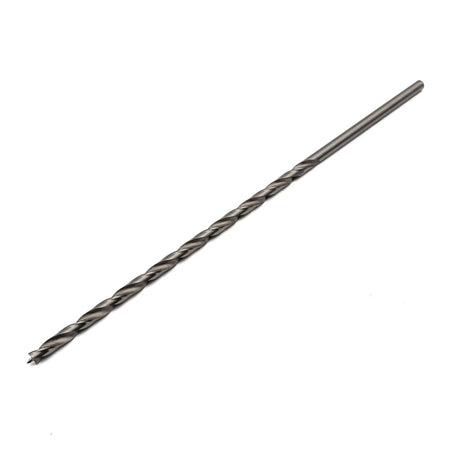
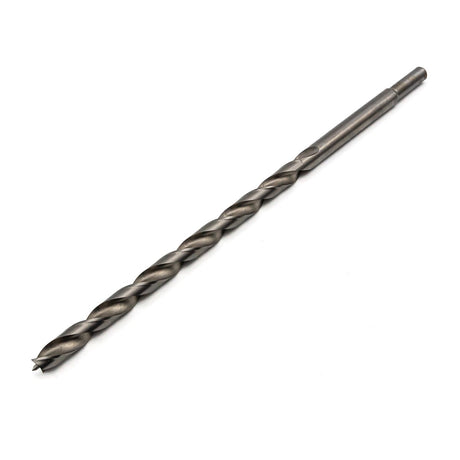
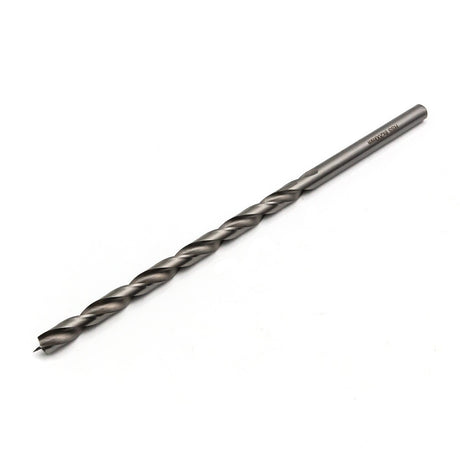
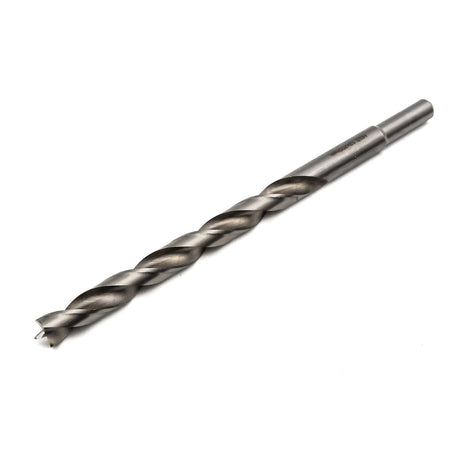
HSS Brad Point Drill Bits for Clean, Accurate Wood Drilling
HSS brad point drill bits are designed for precise drilling in timber and wood-based materials where a clean entry point and accurate hole position are important. Unlike conventional twist drills, a brad point bit features a sharp centre point that locates the bit before the cutting edges engage the material. This helps reduce wandering at the start of the cut and makes brad point bits particularly useful for furniture making, cabinetry, joinery, dowelling and other woodworking applications.
Fish HSS brad point drill bits combine a high-speed steel construction with a geometry developed specifically for drilling wood. The centre point provides positive location, while the outer cutting spurs score the circumference of the hole before the main cutting edges remove the waste. This cutting action can produce cleaner hole edges with less breakout and splintering than a general-purpose drill bit, particularly when drilling across the grain in solid timber.
Brad point bits can be used in a drill press or a suitable handheld drill. A drill press is often preferred when consistent hole depth, perpendicular drilling or accurately repeated holes are required. When using a handheld drill, mark the hole centre carefully and allow the brad point to locate in the mark before applying steady pressure. Choosing an appropriate drilling speed for the bit diameter and timber species will help control heat and improve the quality of the cut.
For the best results, keep brad point drill bits sharp and clear accumulated chips during deeper drilling. Backing the workpiece with scrap timber can also help minimise breakout as the bit exits a through-hole. Whether drilling holes for dowels, hardware, furniture components or general woodworking projects, selecting the correct diameter and using sound drilling technique will help produce accurate, repeatable results.
FAQs
What is a brad point drill bit?
A brad point drill bit is a woodworking drill bit with a projecting centre point and cutting spurs around the outside of the cutting head. The centre point helps position the bit accurately, while the outer spurs score the fibres around the edge of the hole before material is removed. This design helps produce clean, accurately positioned holes in timber.
What is the advantage of HSS brad point drill bits?
High-speed steel, commonly abbreviated to HSS, offers good hardness, wear resistance and cutting-edge retention. For woodworking, an HSS brad point bit combines these material properties with wood-specific cutting geometry, making it suitable for accurate drilling where a clean finish and reliable performance are required.
What are brad point drill bits used for?
Brad point bits are commonly used for drilling accurate holes in solid timber and many wood-based materials. Typical applications include dowel joints, furniture construction, cabinetry, hardware installation, jig making and general joinery. They are especially useful when the exact position and appearance of the hole matter.
Are brad point bits better than standard twist drill bits for wood?
For many woodworking tasks, a brad point bit can provide better positioning and cleaner hole edges than a general-purpose twist drill. A conventional twist bit can have a tendency to wander when first contacting timber, whereas the centre point of a brad point bit locates the hole before the main cutting edges engage. Twist drills remain useful general-purpose tools, so the better choice depends on the material and the drilling task.
Can HSS brad point drill bits be used in a drill press?
Yes. A drill press is particularly well suited to brad point bits because it provides controlled feed and makes it easier to drill perpendicular holes to a consistent depth. Secure the workpiece properly, select a suitable spindle speed for the bit diameter and material, and use a backing board when drilling completely through the workpiece.
Can brad point drill bits be used with a handheld drill?
Yes. Brad point bits can be used with a suitable handheld drill, provided the bit's shank is compatible with the chuck. The centre point makes accurate starting easier, although care is still required to keep the drill aligned. For highly repeatable or precisely perpendicular holes, a drill press or drilling guide may provide better control.
How do you prevent timber from splintering when drilling a through-hole?
Clamp a piece of scrap timber firmly against the back of the workpiece so the drill enters the backing material immediately after leaving the finished component. This supports the fibres around the exit point and can significantly reduce breakout. Using a sharp bit, controlling the feed rate and reducing pressure as the bit approaches the underside can also improve the finish.
What speed should I use with a brad point drill bit?
The appropriate speed depends on the diameter of the drill bit, the timber and the drilling depth. Smaller bits can generally operate at higher rotational speeds than larger bits. Excessive speed or feed pressure can generate unnecessary heat, while too little feed may cause rubbing. For deep holes, periodically withdrawing the bit to clear chips can help maintain efficient cutting.
How can I get more accurate results when drilling dowel holes?
Accurate dowelling starts with careful marking and a drill bit that matches the required dowel diameter. Use a dowelling jig, drill guide or drill press where practical to maintain alignment, and control the drilling depth with a depth stop or suitable stop collar. Test the setup on scrap material before drilling finished components, particularly when matching holes must align across two pieces.