


 15% off
Fisch
Fisch Black Shark Pro Forstner Bits for Hardwoods
From $33.90$39.90Unit price /UnavailableIn stock-
17% off
Fisch
Fisch Black Shark Pro Set of 10 Forstner Bits for Hardwood Metric
$495.00$599.90Unit price /UnavailableIn stock -
15% off
Fisch
Fisch Black Shark Pro Set of 5 Forstner Bits for Hardwood Metric
$219.90$259.90Unit price /UnavailableIn stock -
15% off
Fisch
Fisch Black Shark Pro Set of 6 Forstner Bits for Hardwood Metric
$339.90$399.90Unit price /UnavailableIn stock
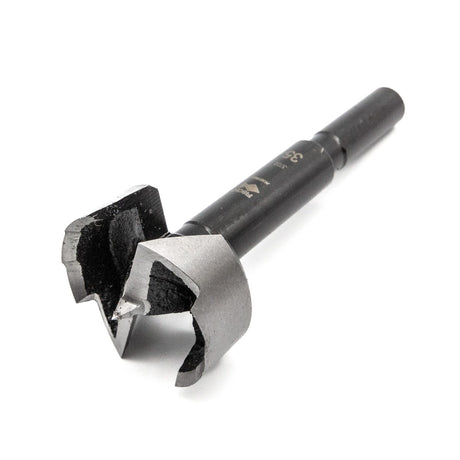
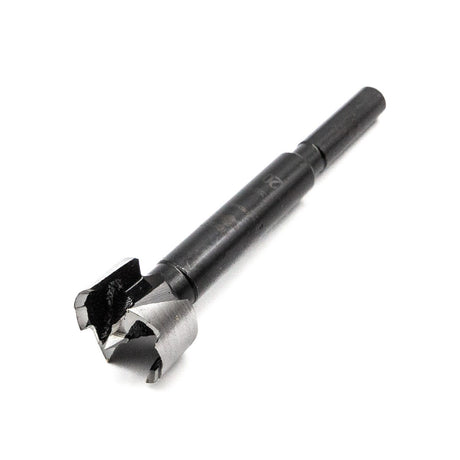
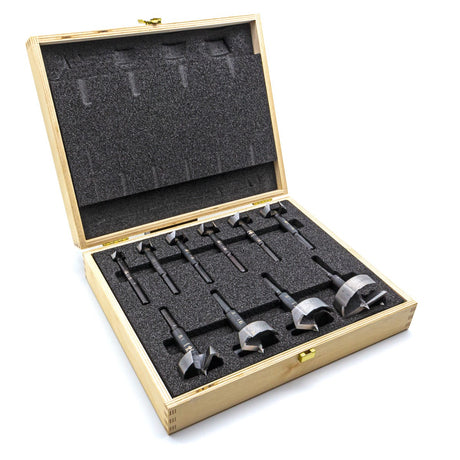
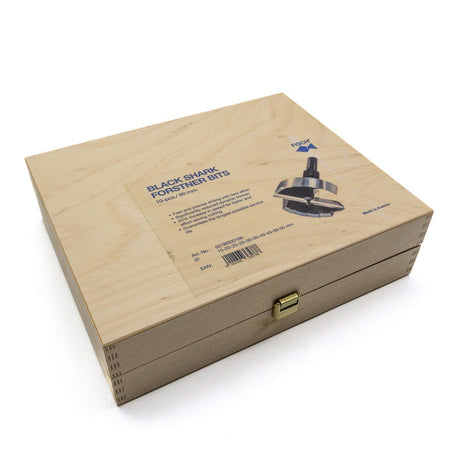
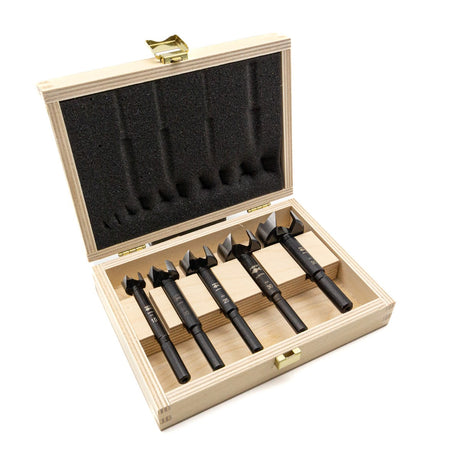
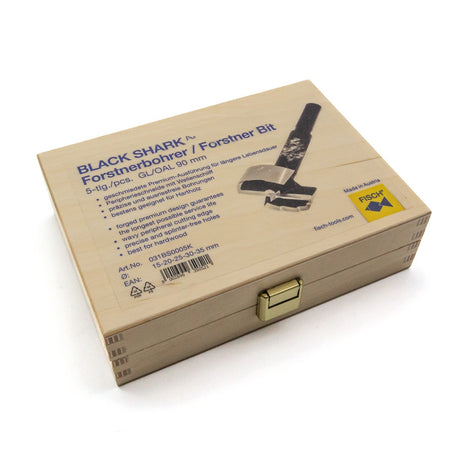
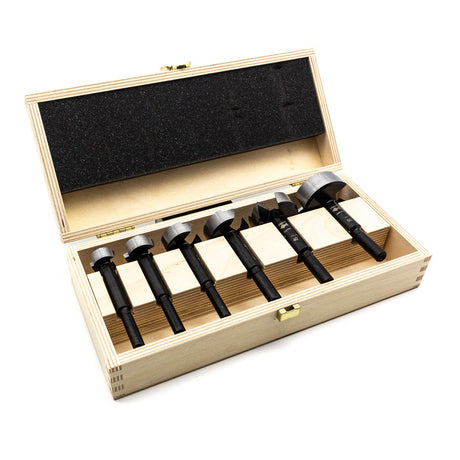
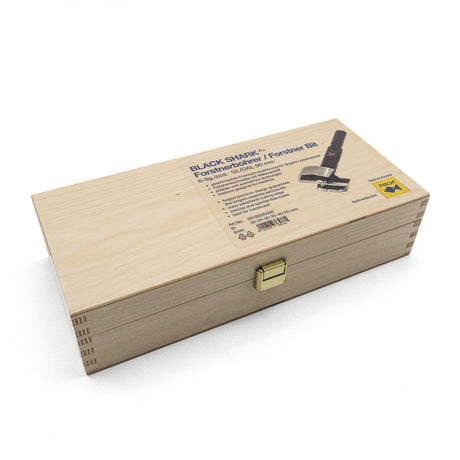
Fisch Black Shark Pro Forstner Bits for Fast, Clean and Accurate Drilling
Fisch Black Shark Pro Forstner bits are high-performance woodworking drill bits designed to produce smooth, splinter-free holes in hardwood and softwood. Forged in Austria from a single piece of high-quality tool steel, they combine strength, accuracy and an aggressive cutting action. They are ideal for boring precise flat-bottomed blind holes where clean sides, minimal tear-out and a professional finish are important.
The distinctive performance of Black Shark Pro Forstner bits comes from Fisch Wave Cutter technology. Modelled on the structure of sharkskin, the patented serrated cutting edge reduces heat generation while drilling, helping preserve the cutting edge and improve efficiency. The optimised geometry allows the bits to cut at high speeds while requiring less effort, with performance claimed to be up to 25% greater than comparable bits and up to 10 times faster than conventional Forstner bits when drilling hardwood.
Large chip-free zones help evacuate waste efficiently, reducing chip build-up during boring and contributing to a cleaner cut. The serrated cutting edge also increases stability when the drilling direction changes, making these Forstner bits useful for demanding woodworking operations where control and accuracy matter. Three flats machined into the shank provide a secure grip in the drill chuck and help minimise slipping under the higher loads associated with fast, aggressive boring.
For the best results, securely clamp the workpiece and select a drilling speed appropriate for the bit diameter and timber being drilled. A drill press provides excellent control for accurate blind holes, although a suitable handheld drill can also be used for many applications. When drilling deeper holes, periodically withdrawing the bit helps clear chips and manage heat. For through-holes, supporting the underside of the timber with a sacrificial backing board can further reduce breakout as the bit exits the workpiece.
FAQs
What makes Fisch Black Shark Pro Forstner bits different from conventional Forstner bits?
The main difference is the patented Fisch Wave Cutter technology. Its serrated cutting edge is designed to cut aggressively while generating considerably less heat, helping maintain the cutting edge and reduce the effort required to bore a hole. The design also provides efficient chip removal and increased stability when changing drilling direction. In hardwood, Black Shark Forstner bits are claimed to drill up to 10 times faster than conventional Forstner bits.
What is Fisch Wave Cutter technology?
Wave Cutter technology is a patented serrated cutting-edge design inspired by sharkskin. Rather than relying on a conventional continuous cutting profile, the optimised edge is designed to cut efficiently while reducing heat generation. This contributes to faster drilling, lower drilling effort, improved stability and reduced heat at the cutting edge.
Can Fisch Black Shark Pro Forstner bits drill hardwood?
Yes. These bits are specifically designed to produce clean holes in both hardwood and softwood and are particularly well suited to demanding hardwood applications. Their Wave Cutter geometry, efficient chip discharge and aggressive cutting action allow them to remove material quickly while producing accurate holes with smooth sides and minimal splintering.
Do Black Shark Forstner bits produce flat-bottomed holes?
Yes. They are designed for accurate, flat-bottomed blind holes with smooth sides and minimal tear-out. This makes them useful for furniture making, cabinetry, joinery and other applications where a controlled-depth recess or clean blind hole is required. As with other Forstner bits, the centre point leaves a small locating mark at the centre of the hole.
How much faster are Fisch Black Shark Forstner bits?
The Wave Cutter design is stated to provide up to a 25% increase in performance compared with comparable bits, while Black Shark Forstner bits can drill up to 10 times faster than conventional Forstner bits in hardwood. Actual drilling performance will also depend on factors such as bit diameter, timber species, drill power, spindle speed, hole depth and feed technique.
Why do Black Shark Pro Forstner bits have three flats on the shank?
The three flats provide the jaws of a drill chuck with secure gripping surfaces. This helps reduce the chance of the bit slipping in the chuck, particularly when drilling larger holes or working in dense timber where greater torque can be generated. Always ensure the bit is correctly inserted and the chuck is securely tightened before drilling.
Can Black Shark Forstner bits be used in a handheld drill?
A suitable handheld drill can be used for many Forstner-bit applications, provided the drill has sufficient power and the workpiece is securely clamped. A drill press is generally preferable when maximum accuracy, repeatable depth or precise alignment is required. Extra care should be taken with larger-diameter bits because they can place substantially greater torque on a handheld drill.
How can I get the cleanest holes when using a Forstner bit?
Secure the timber firmly, keep the bit correctly aligned and use an appropriate drilling speed for the bit diameter and material. Allow the cutting edges to do the work rather than applying excessive pressure. When boring deeper holes, periodically retract the bit to clear waste. If drilling completely through a workpiece, use a sacrificial backing board or finish the hole from the opposite face to help minimise breakout.
What woodworking jobs are Forstner bits best suited to?
Forstner bits are particularly useful for furniture making, cabinetry and joinery where clean, accurately sized holes are required. Common applications include boring blind holes, creating recesses for hardware and fittings, drilling overlapping holes and producing larger-diameter holes with smooth walls. Their ability to create a controlled, flat-bottomed recess makes them especially useful where the bottom of the hole must remain substantially flat rather than tapered.