


 15% off
RZMask
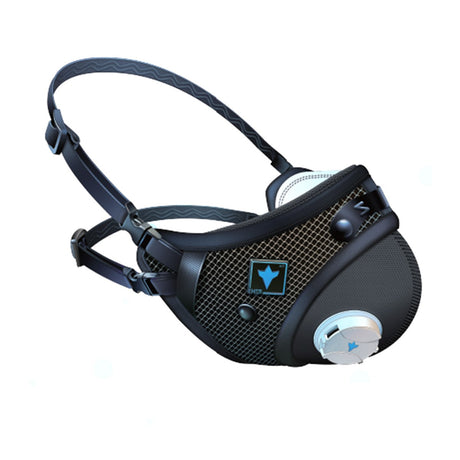
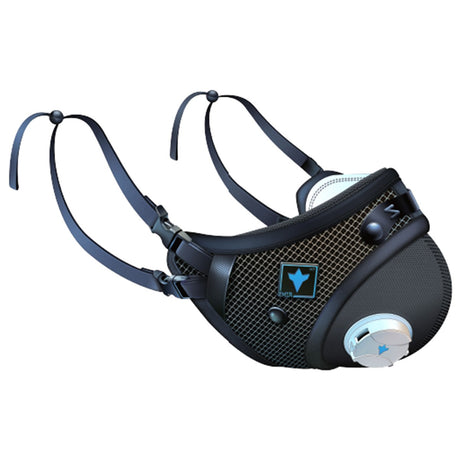
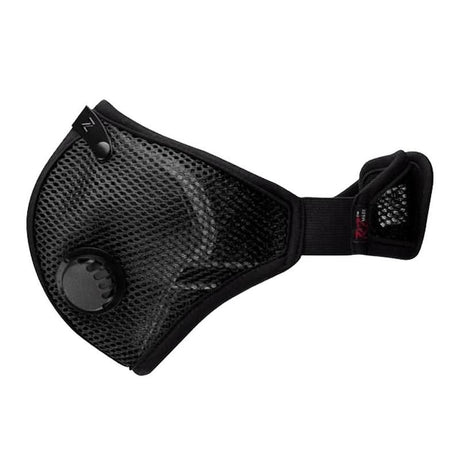
RZ Mask M3 Dust Face Mask Breathable Mesh Black Multi-Strap
$57.90$67.90Unit price /UnavailableIn stock 14% off
RZMask
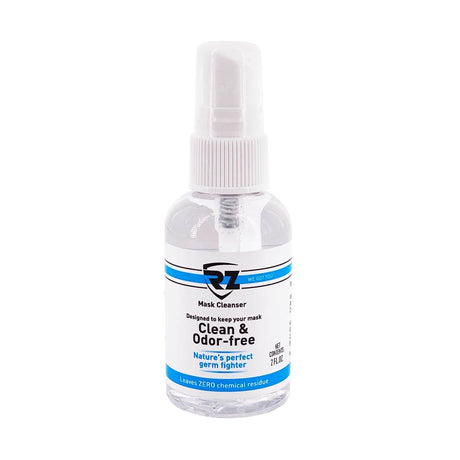
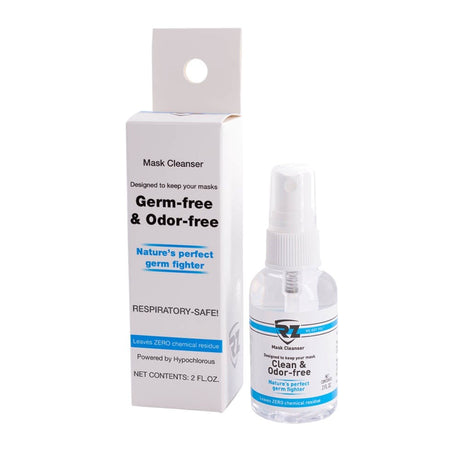
RZMask Dust Mask Cleanser 59ml Pump Spray Deodorant
$21.50$24.90Unit price /UnavailableVery low stock (4 units)-
40% off
RZMask
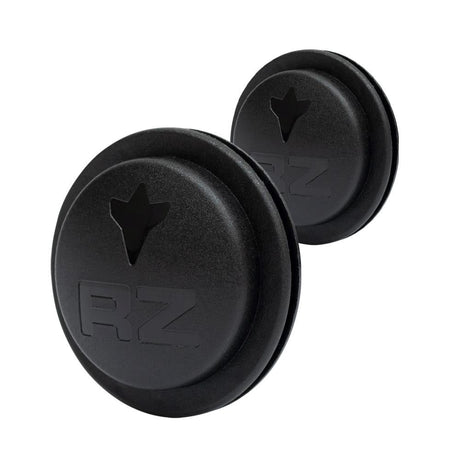
RZMask Exhalation Valve Caps for M2 and M2.5 Dust Face Masks
From $5.90$9.90Unit price /UnavailableIn stock  Sold out35% off
RZMask
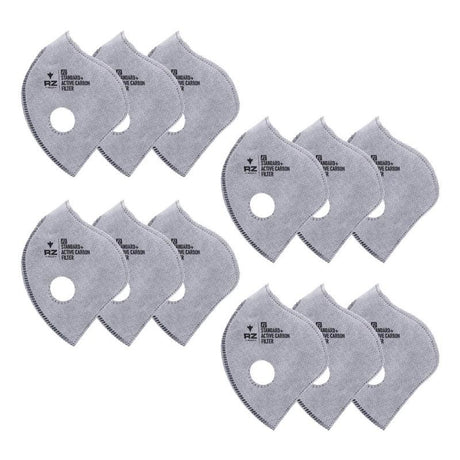
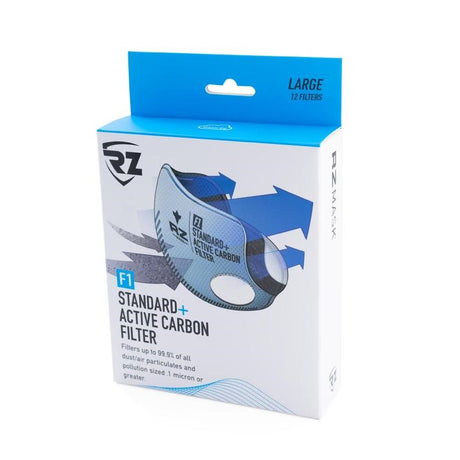
RZMask Extra Large F1 Active Carbon Filters Pack of 12 suits M2 & M2.5 Dust Masks
$32.50$49.90Unit price /Unavailable-
13% off
RZMask
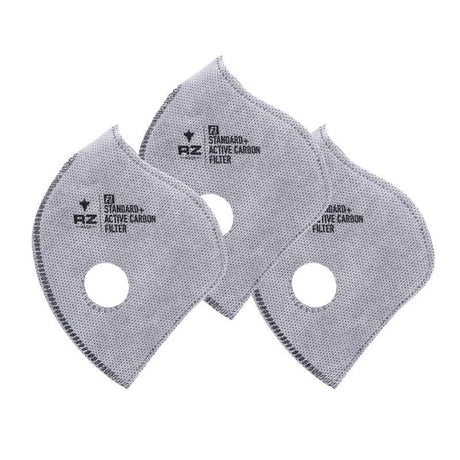
RZMask F1 Active Carbon Filters Pack of 3 suits M2 & M2.5 Dust Masks
$12.90$14.90Unit price /UnavailableIn stock -
14% off
RZMask
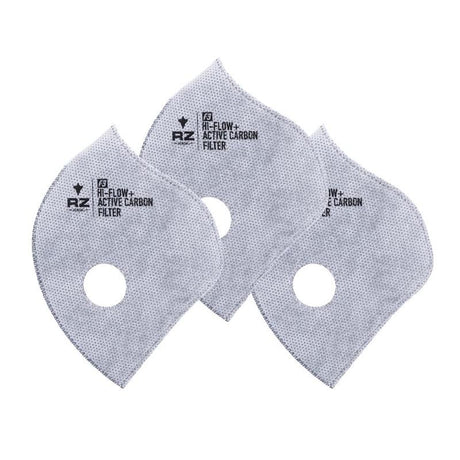
RZMask F3 Replacement Filters for M3 Dust Face Mask Pack of 3
$23.90$27.90Unit price /UnavailableIn stock -
15% off
RZMask
RZMask F3 Replacement Filters Pack of 3 suits M2 & M2.5 Dust Masks
$25.50$29.90Unit price /UnavailableIn stock -
Sold out13% off
RZMask
RZMask M2 Dust Face Mask Breathable Mesh Black Set with Filter Valves and Cleanser
$95.00$109.60Unit price /Unavailable -
15% off
RZMask
RZMask M2 Dust Face Mask Breathable Mesh Black with Replaceable Filters
$50.90$59.90Unit price /UnavailableIn stock -
15% off
RZMask
RZMask M2 Dust Face Mask Breathable Mesh Safety Green with Replaceable Filters
From $50.90$59.90Unit price /UnavailableIn stock -
15% off
RZMask
RZMask M2 Dust Face Mask Breathable Mesh Titanium with Replaceable Filters
From $50.90$59.90Unit price /UnavailableVery low stock (10+ units) -
15% off
RZMask
RZMask M2.5 Dust Face Mask Breathable Mesh Black with Replaceable Filters
$50.90$59.90Unit price /UnavailableIn stock -
Sold out15% off
RZMask
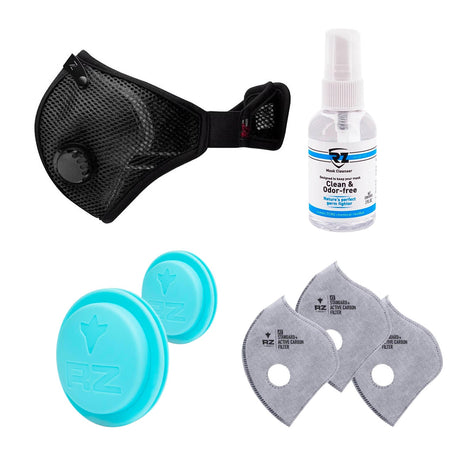
RZMask M3 Dust Face Mask Breathable Mesh Black Set with Filter Valves and Cleanser
$103.00$120.70Unit price /Unavailable -
![RZMask M3 Dust Face Mask Breathable Mesh Mixed Colours - Medium/Large/XL]()
![RZMask M3 Dust Face Mask Breathable Mesh Mixed Colours - Medium/Large/XL]()
![RZMask M3 Dust Face Mask Breathable Mesh Mixed Colours - Medium/Large/XL]()
![RZMask M3 Dust Face Mask Breathable Mesh Mixed Colours - Medium/Large/XL]()
![RZMask M3 Dust Face Mask Breathable Mesh Mixed Colours - Medium/Large/XL]()
![RZMask M3 Dust Face Mask Breathable Mesh Mixed Colours - Medium/Large/XL]() 15% offNew arrival
15% offNew arrivalRZMask
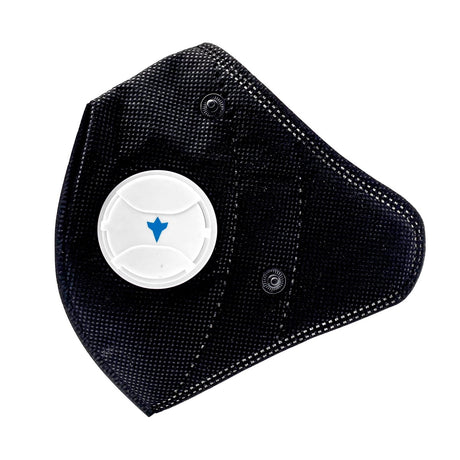
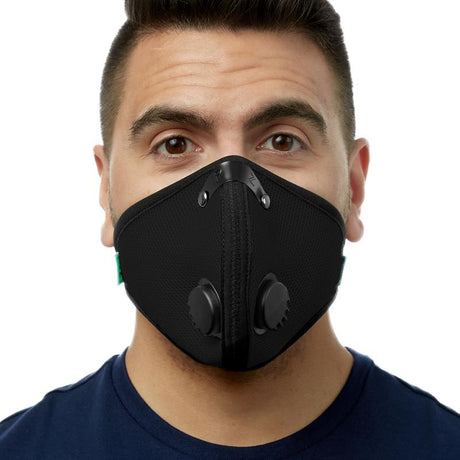
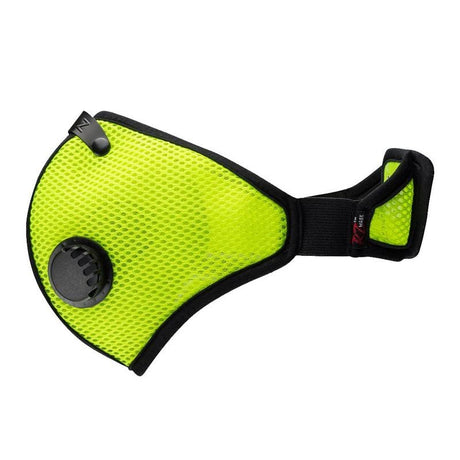
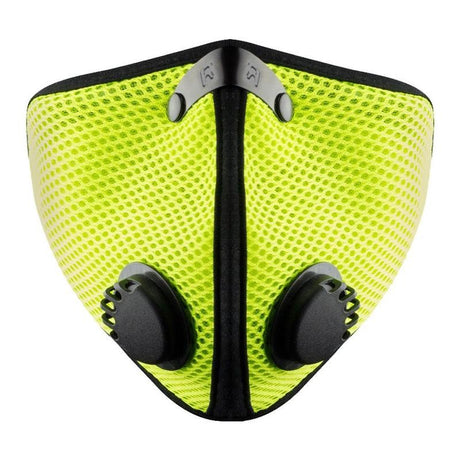
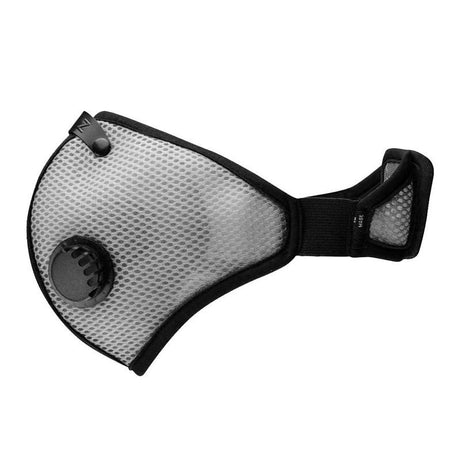
RZMask M3 Dust Face Mask Breathable Mesh Mixed Colours - Medium/Large/XL
$57.90$67.90Unit price /UnavailableIn stock -
10% off
Trend
Trend Air Pro Max Ear Defenders for Airshield Pro Respirator Face Shield Dust Mask
$71.90$79.90Unit price /UnavailableVery low stock (1 unit) -
10% off
Trend
Trend Airshield Pro Respirator Face Shield Dust Mask Set Battery Powered
$719.00$799.00Unit price /UnavailableVery low stock (1 unit)



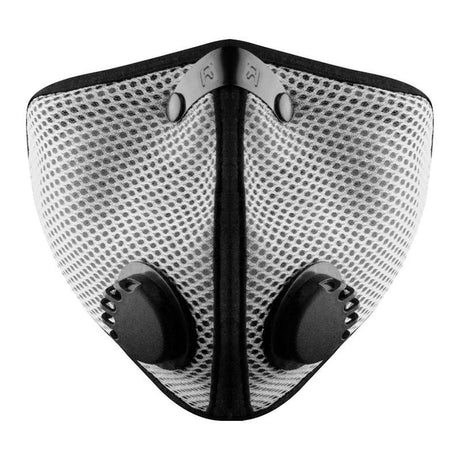
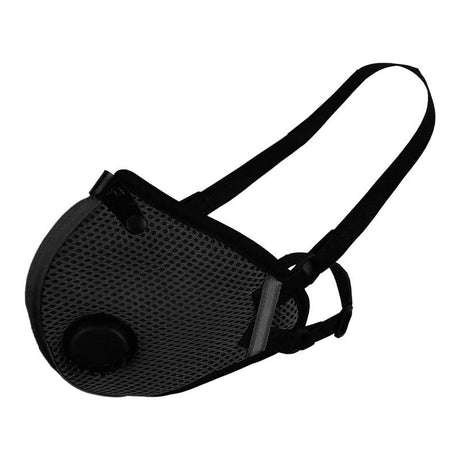
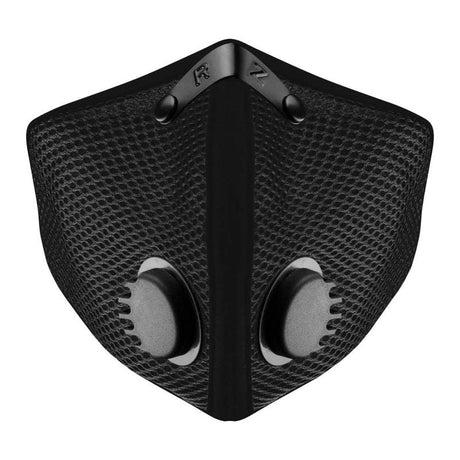
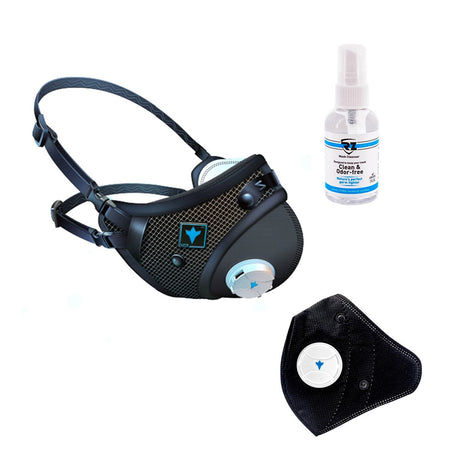


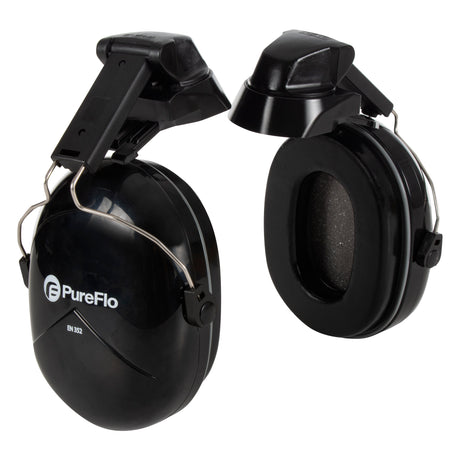

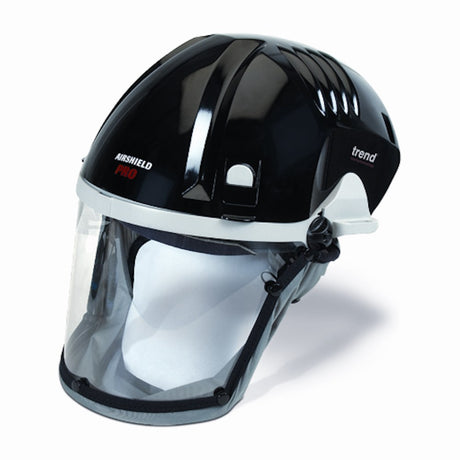

Dust Masks & Respirators for Woodworking Workshops
Dust masks and respirators are an important part of workshop safety, protecting against fine wood dust that remains airborne long after the visible chips have settled. Good dust extraction helps, but personal respiratory protection adds another layer when airborne dust is still present around the bench or machine. By wearing a mask or respirator while woodworking, you can significantly reduce your exposure to these hazardous dust particles.
Reusable dust masks with breathable mesh bodies, adjustable straps and replaceable filters are popular for everyday woodworking because they are lighter than full respirator setups and easier to wear through longer sessions. In hot or dusty workshops, comfort matters almost as much as filtration, because a mask that fits well and breathes well is more likely to stay on during repetitive tasks. Replacement filters, valve parts and cleansers also help keep reusable masks hygienic and ready for regular use.
Powered respirator face shields suit woodworkers who want filtered airflow and broad face protection in one system. They can be especially useful for turning, routing, heavy sanding and other jobs that create a steady cloud of fine dust or present a risk of flying debris. Support items such as visor overlays, spare batteries, chargers, hearing protection accessories and replacement filters make it easier to keep a powered unit working consistently in a busy workshop.
When comparing dust masks and respirators, focus on fit, filter compatibility, comfort, maintenance and the type of work you actually do. A compact reusable mask may be ideal for general bench work and machine setup, while a powered face shield may be the better choice for extended cutting or sanding. Always follow the manufacturer’s instructions, change filters when required and match your respiratory protection to the dust, fumes or debris created by the job.
FAQs
Why is wood dust a health concern in the workshop?
Wood dust is more than a cleaning issue because the finest particles can stay suspended in the air and be inhaled during normal workshop tasks. Sanding, machining and routing often create the most persistent dust, and sheet goods such as MDF can produce especially fine particles. Respiratory protection helps reduce day-to-day exposure, particularly during longer sessions or when extraction alone cannot capture everything at the source.
What is the difference between a reusable dust mask and a powered respirator face shield?
A reusable dust mask relies on a close facial seal and replaceable filters to protect the wearer, making it a practical choice for general woodworking and mobile jobs around the shop. A powered respirator face shield uses a battery-driven system to move filtered air while also shielding the face and eyes, which many woodworkers prefer for extended sanding, routing, turning or other high-dust tasks.
How do I choose the right size and fit for a dust mask?
RZ Masks feature a 'Fitting Guide' on the product page, following the instructions to purchase the correct size to suit you. Adjust the straps so the mask sits snugly around the nose, cheeks and chin without creating pressure points. A good fit should feel secure but still comfortable enough for regular wear. Facial hair, safety glasses and headwear can all affect the seal, so it is worth checking the fit after you have put on the rest of your PPE.
How often should replacement filters be changed?
Filter life depends on the dust load, how often the mask is used and the manufacturer’s recommendations. Common signs that a filter needs replacing include increased breathing resistance, reduced airflow, visible dirt, persistent odours or physical damage. Filters may need changing more often during heavy sanding or machine work than during lighter bench tasks.
Are active carbon filters the same as standard dust filters?
Standard particulate filters are designed to capture airborne dust, while filters that include active carbon may also help reduce nuisance odours. That does not automatically make them suitable for all fumes or chemical vapours, so it is important to check the filter type and use it only for the exposure it is designed to handle.
Do exhalation valves help in hot and dusty workshops?
Exhalation valves can improve comfort by venting warm breath more efficiently, which may make a reusable mask feel cooler and less humid during long sessions. This can be especially helpful in warm workshops or during physically demanding tasks. Even so, the most important factors are still proper fit, the correct filter and regular maintenance.
Can I wear a dust mask with glasses, hearing protection or a face shield?
In many cases, yes, but all items need to work together without disturbing the seal of the mask. Low-profile reusable masks often pair well with safety glasses and earmuffs, while powered face shield systems combine face and eye coverage in one unit. After putting everything on, check for pressure points, fogging and any gaps around the mask.
Are woodworking dust masks suitable for spray finishing, epoxy or strong fumes?
Dust masks are intended for airborne particles, while spray finishes, solvents and some adhesives can release vapours that require different respiratory protection and strong ventilation. Before using any mask around finishes or chemicals, check the product safety information and make sure the respirator and filter system are rated for that specific exposure.
How should I clean and store a reusable dust mask or respirator?
Clean the reusable mask body only as directed by the manufacturer, and avoid wetting filters unless the instructions specifically allow it. Replace worn valves, straps or other service parts when they no longer seal or function properly. Store the mask or respirator in a clean, dry place away from workshop dust so the inside stays hygienic and ready for the next use.
What spare parts are worth keeping on hand for workshop respiratory protection?
Replacement filters are the most useful spare for both reusable masks and powered respirators because they are wear items that need regular changing. For reusable masks, small parts such as valve caps can also be handy to keep in reserve. For powered face shield systems, spare visor overlays, batteries, chargers and replacement filters help reduce downtime and keep the unit ready for everyday workshop work.