






Festool
Festool CT-VA Cyclone Pre Separator for Dust Extraction
$749.00Unit price /UnavailableIn stock
Mirka
Mirka Dust Extractor 1200W 30L Automated
$1,400.00Unit price /UnavailableLow stock (2 units)-
15% off
Sherwood
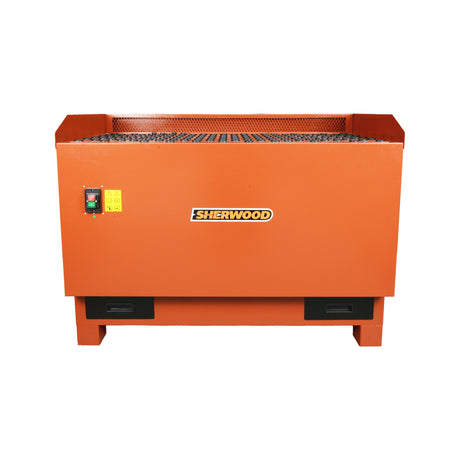
Sherwood 1100W Powered Downdraft Table 1235 x 610mm for Dust-Free Sanding
$1,879.00$2,199.00Unit price /UnavailableIn stock -

Festool
Festool Dust Catch Bag for TSC 55 & HKC 55 Circular Saws
$114.00Unit price /UnavailableVery low stock (1 unit) 
 Sold out
-
Sold out18% off
-
Festool
Festool Anti Static Y Piece 50mm for Dual Suction Hoses
$135.00Unit price /UnavailableVery low stock (1 unit)  Sold out
Mirka
Mirka Hose Adapter 32 to 54mm for Mirka Dust Extractors
$45.00Unit price /UnavailableIn stock-
 9% off
Magswitch
Magswitch QuickLox Tool Plate 4in Dust Fitting Kit
$49.90$54.90Unit price /UnavailableIn stock -
Sold out10% off
Sherwood
$3,249.00$3,599.00Unit price /Unavailable -
Festool
Festool Main Filter HEPA for CT 15/MIDI-2
$165.00Unit price /UnavailableVery low stock (1 unit) -
Festool
Festool CTM 36L M Class Dust Extractor
$1,750.00Unit price /UnavailableLow stock (2 units) -
Festool
Festool Anti Static Hose Connector 32/27mm with RFID
$81.50Unit price /UnavailableIn stock  Sold out10% off
Sherwood
$4,749.00$5,277.90Unit price /Unavailable-
Sold out




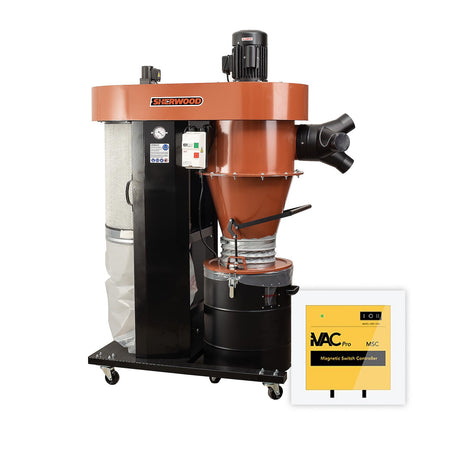
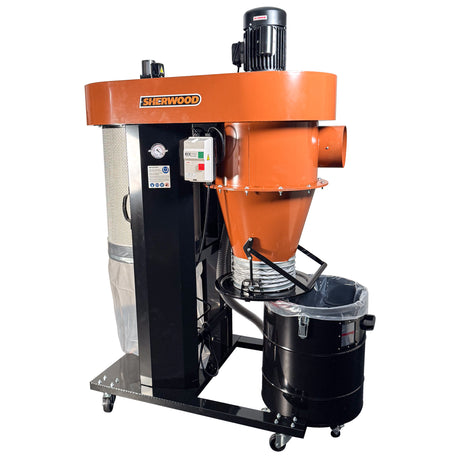


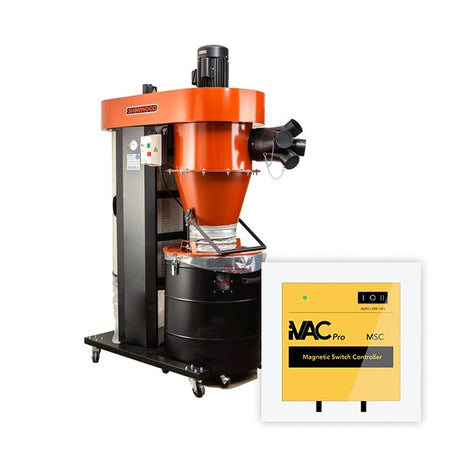
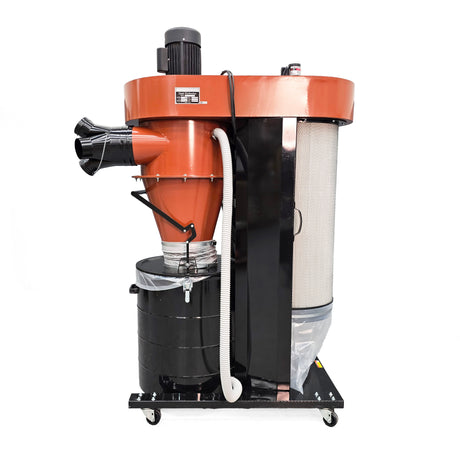
Efficient Dust Extraction for a Cleaner, Safer Workshop
A quality dust extractor is an essential addition to any woodworking space, ensuring cleaner air, safer operations, and prolonged machine life. Whether you're operating a small benchtop sander or a full-size thicknesser, a dedicated dust extractor vacuum captures fine particles and heavy debris at the source. This not only protects your lungs but also reduces workshop cleanup and fire hazards.
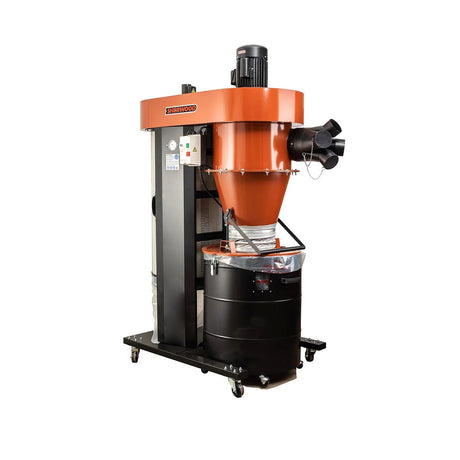
There are various types of vacuum extractors available, ranging from portable units for single-tool use to larger dual-bag and cyclone systems capable of handling multiple machines simultaneously. An industrial dust extractor is ideal for commercial or high-output workshops where continuous suction and high-capacity collection are required. Many modern extractors now feature cartridge filters, automatic filter cleaning, and remote control activation for added convenience.
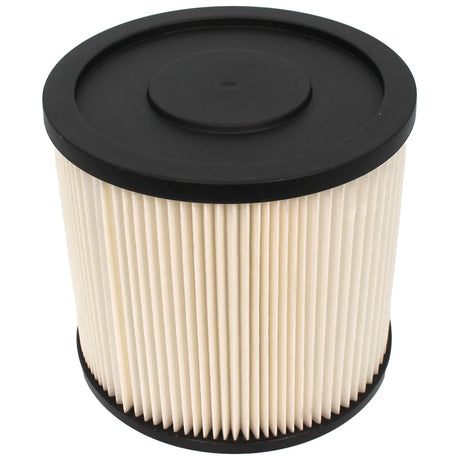
When selecting a dust extractor, consider the airflow (CFM), filter type, noise level, and hose compatibility with your existing equipment. Fine dust from MDF, hardwoods, and sanding operations can linger in the air, making HEPA or pleated filters particularly valuable for indoor workshops. Additionally, models with cyclone separators reduce filter clogging and improve long-term performance.
If you’re looking for a reliable dust extractor for sale, focus on models with proven suction power, easy waste disposal (such as quick-release bags or bins), and robust construction. Investing in the right system not only boosts productivity but also supports health and safety compliance—especially in professional workshop environments where air quality is critical.
FAQs
What is a dust extractor vacuum used for?
A dust extractor vacuum is used to remove wood dust, chips, and fine airborne particles generated by woodworking machines. It connects directly to tools to capture debris at the source, keeping the workspace clean and safe.
What’s the difference between a dust extractor and a shop vacuum?
While both remove debris, a dust extractor is designed for continuous airflow and fine particle filtration, often used with woodworking machines. A shop vacuum is more general-purpose and may not handle fine dust as effectively over time.
Is a vacuum extractor suitable for small workshops?
Yes, compact vacuum extractors are ideal for small workshops. They are easy to move, connect to various tools, and provide sufficient airflow for occasional or single-machine use without taking up much space.
When should I upgrade to an industrial dust extractor?
An industrial dust extractor is recommended when running multiple machines, working in a commercial environment, or needing continuous high-capacity dust collection. These systems offer stronger airflow and larger waste bins or bags.
Are there dust extractors for sale with HEPA filtration?
Yes, many high-end dust extractors for sale include HEPA or pleated filters that trap fine particles down to 0.1 microns. These are particularly valuable in enclosed or shared workshop environments for improved air quality.
How do I choose the right dust extractor for my tools?
Match the extractor’s airflow (CFM), inlet size, and hose compatibility to your tools’ dust ports. Consider filter type, mobility, noise level, and waste disposal features based on how frequently and where you work.
How do I dispose of the collected dust safely?
After ensuring the dust is cool, place it in a sealable bag suitable for disposal - depending on your model, the dust extractor may have already taken care of this step. Abide by local disposal regulations, and if the wood waste is untreated, consider composting as an eco-friendly alternative.
Do cyclone dust extractors work better than standard ones?
Cyclone extractors separate dust before it reaches the filter, reducing clogging and maintaining suction. They’re especially effective for large-volume operations or when dealing with heavy chips and mixed debris.