


 11% off
Sherwood
Sherwood 2HP Single Stage Dust Extractor Pleated Filter Cartridges Plus Set Up Kit
$849.00$950.90Unit price /UnavailableIn stock-
 5% off
Sherwood
Sherwood 1.5HP Wall Mounted Cyclone Dust Extractor Plus Set Up Kit
$2,349.00$2,480.90Unit price /UnavailableIn stock -
10% off
Sherwood
Sherwood 2HP Wall Mounted Single Stage Dust Extractor Plus Set Up Kit
$799.00$885.90Unit price /UnavailableIn stock -
 10% off
Sherwood
Sherwood 3HP Single Stage Dust Extractor Pleated Filter Cartridges Plus Set Up Kit
$1,249.00$1,393.90Unit price /UnavailableIn stock -
7% off
Sherwood
Sherwood 3HP Single Stage Dust Extractor Needle Filter Bags Plus Set Up Kit
$779.00$835.90Unit price /UnavailableIn stock -
11% off
Sherwood
Sherwood 2HP Single Stage Dust Extractor Needle Filter Bags Plus Set Up Kit
$599.00$671.90Unit price /UnavailableIn stock

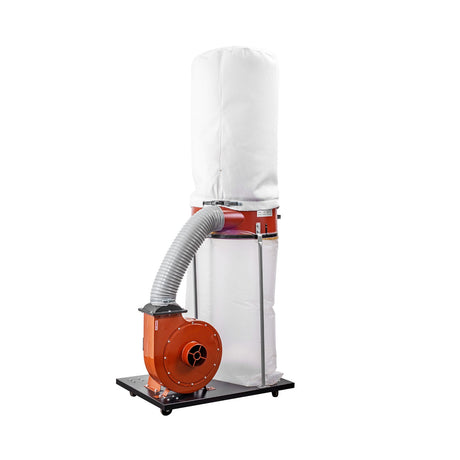


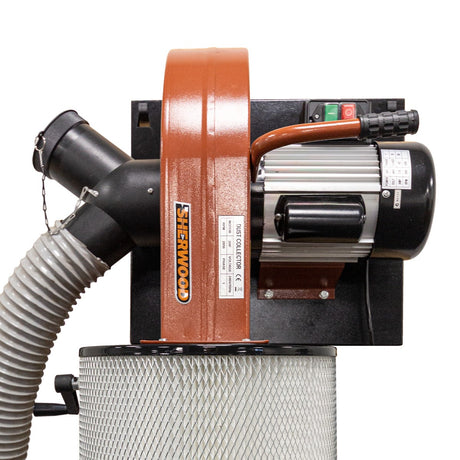

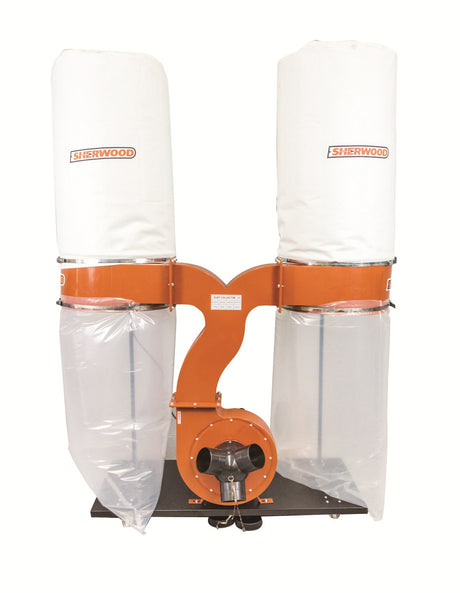


Dust Extractor Kits for Woodworking Workshops
Dust extractor kits provide a practical way to connect woodworking machinery and power tools to a dust collection system. A well-planned setup helps capture sawdust, shavings and fine airborne particles closer to where they are produced, reducing workshop clean-up and helping maintain a cleaner working environment. Kits can include combinations of hoses, fittings, adaptors, blast gates, clamps and other components needed to create or extend a workshop dust extraction system.
Choosing the right dust extraction kit depends on the machinery being connected, the diameter of its dust port and the requirements of the extractor. Larger woodworking machines such as table saws, thicknessers, jointers and bandsaws generally benefit from high-volume airflow and appropriately sized ducting, while smaller power tools may require reducers or adaptors to connect their narrower extraction ports. Keeping hose runs short and avoiding unnecessary bends can also help minimise airflow losses.
For workshops with several machines, a dust extraction kit can form part of a more permanent collection network. Blast gates allow individual branches to be opened or closed so that suction is concentrated at the machine being used. Secure connections are equally important: correctly sized clamps and fittings help prevent hoses from coming loose and reduce air leakage that can affect extraction performance.
Good dust management involves more than simply fitting a hose to a machine. Regularly inspect hoses and fittings for blockages, check filters and collection bags as recommended for your extractor, and empty collected waste before it restricts airflow. Fine woodworking dust can present respiratory and combustible-dust hazards, so extraction should be combined with appropriate respiratory protection, ventilation and safe workshop practices where required.
FAQs
What is included in a woodworking dust extractor kit?
The contents vary between kits, but common components include flexible dust hose, connectors, adaptors, reducers, hose clamps, blast gates and fittings. Some kits are designed to connect a particular type of machine, while others provide components for building or expanding a workshop-wide extraction system. Check the supplied components and their diameters before choosing a kit.
Can one dust extractor be connected to several woodworking machines?
Yes, provided the extractor and ducting system are suitably designed. A branched system can connect multiple machines, with blast gates used to isolate machines that are not operating. This concentrates available airflow at the active machine. The capacity of the extractor, duct diameter and overall system resistance should be considered when planning a multi-machine installation.
Why is my dust extractor not collecting sawdust effectively?
Poor collection can result from a full collection bag or bin, a dirty filter, blocked hose, leaking connection, excessive hose length or too many restrictive bends and reducers. An undersized extractor or poorly designed dust hood can also affect performance. Check the system progressively from the machine to the extractor and follow the manufacturer's maintenance instructions before making changes.
How can I improve airflow through a workshop dust extraction system?
Keep duct and hose runs as short and direct as practical, minimise sharp bends, close unused blast gates and ensure joints are secure. Flexible hose generally creates more resistance than smooth rigid ducting, so limiting long flexible sections can help in permanent systems. Filters, hoses and collection containers should also be inspected and maintained regularly to prevent restrictions.