



 21% off
 Sold out9% off
-
Torquata
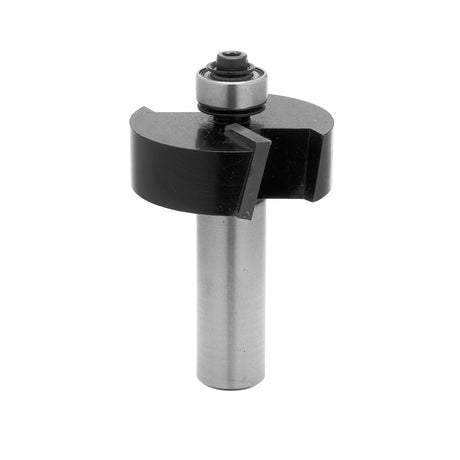
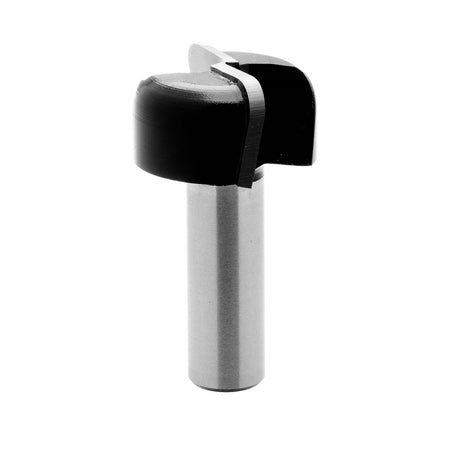
Torquata Bearings for Router Bits 8.0mm Inner Diameter
From $10.00Unit price /UnavailableIn stock -
14% off
Milescraft
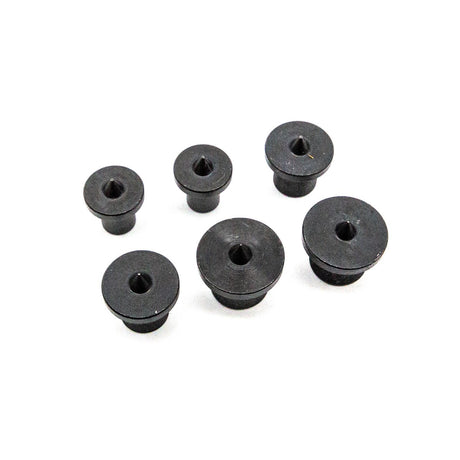
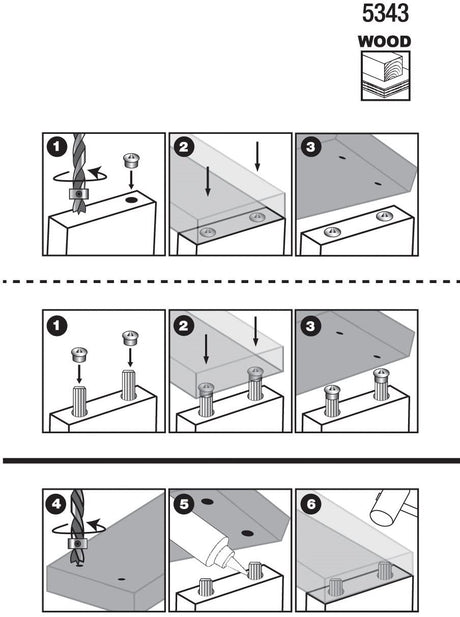
Milescraft Metric Dowel and Tenon Dowelling Centre Finder Set of 6
$8.50$9.90Unit price /UnavailableIn stock -
13% off
Milescraft
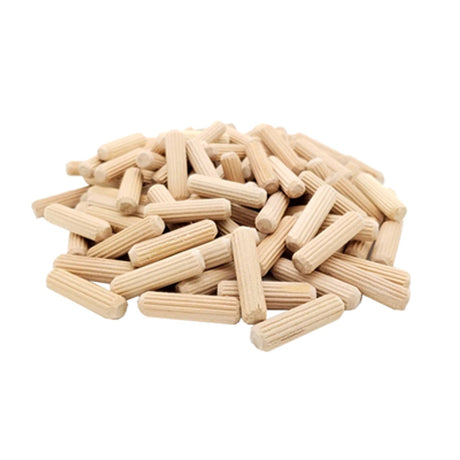
Milescraft Wooden Dowel Pins 6 x 30mm Dowel Join
From $3.90$4.50Unit price /UnavailableIn stock -
 14% off
Milescraft
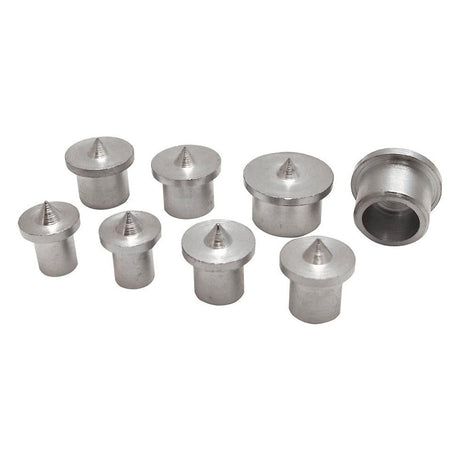
Milescraft Imperial Dowel and Tenon Dowelling Centre Finder Set of 8
$8.50$9.90Unit price /UnavailableIn stock -
8% off
Sherwood
Sherwood Heligrind 2.0 Complete Set of Toolrest Jigs for Bench Grinders
$269.90$294.70Unit price /UnavailableIn stock -
16% off
Milescraft
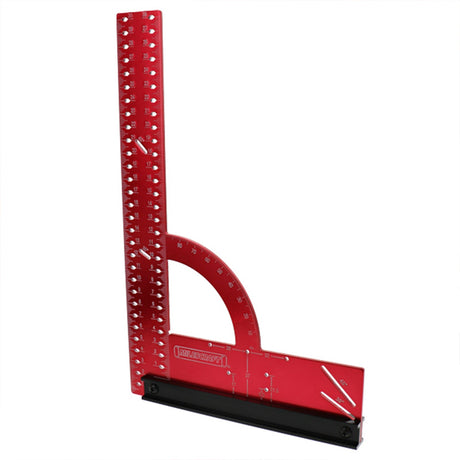
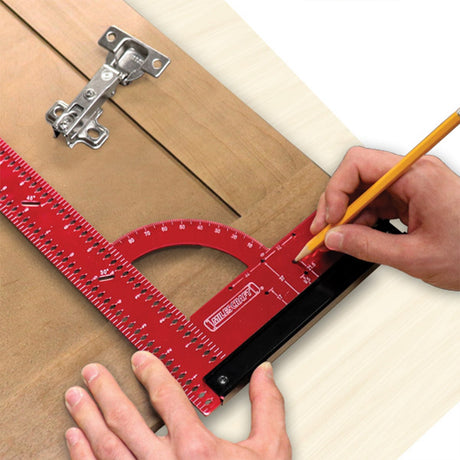
Milescraft MC-Square300 Carpenter's Square 300mm with Angle Finder Metric
$37.90$44.90Unit price /UnavailableIn stock -
16% off
Razorsaw
Razorsaw Miniature Kataba Japanese Saw 180mm Blade
$37.90$44.90Unit price /UnavailableIn stock -
West System
West System 207 Epoxy Resin Special Coating Hardener
From $26.90Unit price /UnavailableIn stock -
-
Sherwood
Sherwood Wall Mount for 4in (102mm) Dust Extractor Hose Single Hanger
$3.00Unit price /UnavailableIn stock -
13% off
Incra
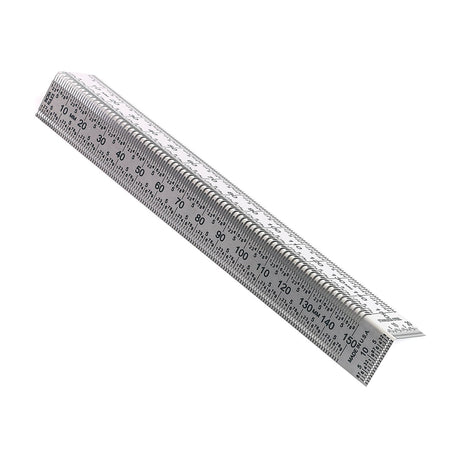
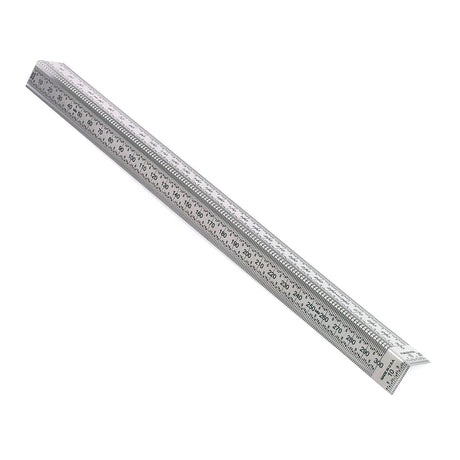
Incra Precision 90 Degree Bend Rules Metric
From $25.90$29.90Unit price /UnavailableIn stock 

Festool
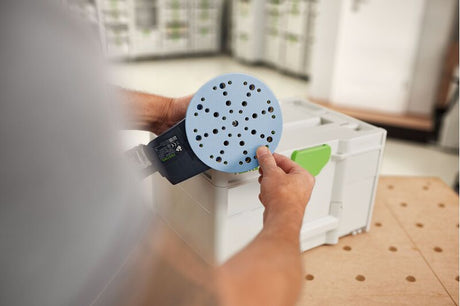
Festool Granat Abrasive Disc 150mm 48 Hole Pack of 50
From $67.50Unit price /UnavailableLow stock (10+ units)












Woodworking Tools, Machinery and Accessories for Every Workshop
A well-equipped woodworking workshop relies on a balanced combination of quality hand tools, reliable machinery and practical accessories. When building or upgrading a workshop, consider the type of projects you most frequently undertake, available space and power requirements. Investing in dependable tools with solid construction and accessible spare parts will support long-term use.
Hand tools such as chisels, hand planes, saws and marking gauges offer control and finesse, particularly for fine joinery and detailed work. Power tools and machinery—including table saws, drill presses, lathes, planers and routers—bring speed and consistency to dimensioning and shaping tasks. Clamps, jigs and workholding solutions ensure stability and alignment, which are essential for precision and safe operation in both small and large workshops.
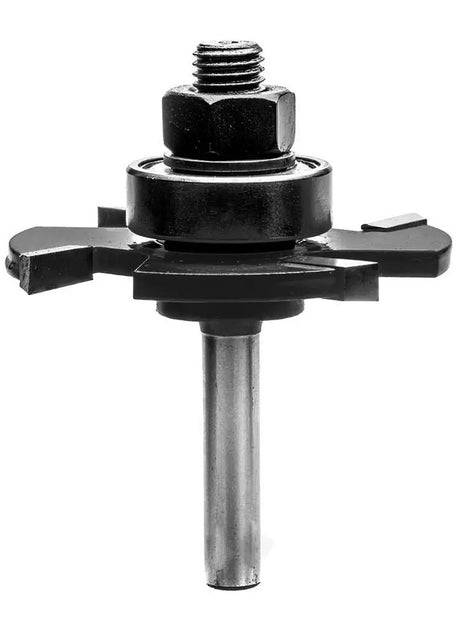
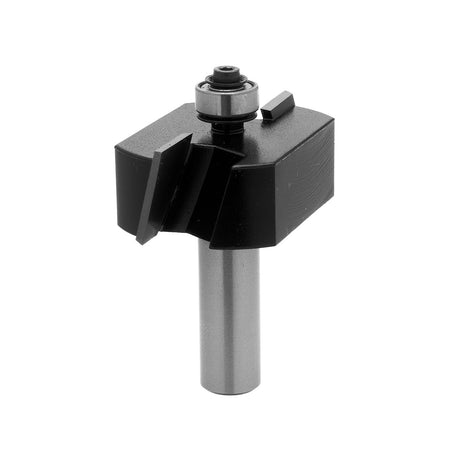
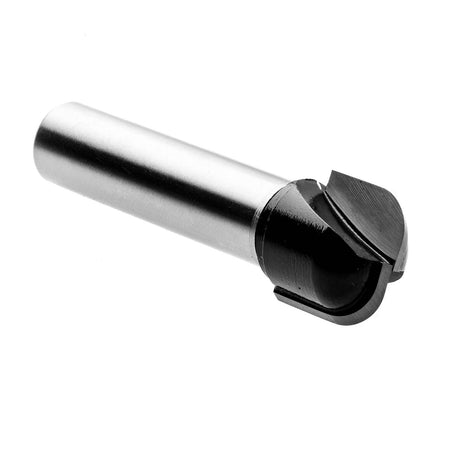
Accessories and consumables are equally important. Quality router bits, saw blades, drill bits and sanding products directly affect cut quality and surface finish. Selecting the correct blade tooth count, grit progression or cutter profile can dramatically improve results while extending tool life. Dust extraction components, push sticks and personal protective equipment further enhance workshop safety and cleanliness.
FAQs
What essential tools should every beginner woodworker own?
Beginners should start with basic measuring and marking tools, a reliable saw, chisels, a hand plane, clamps and a drill. As skills develop, adding a router or small benchtop machinery can expand project capability and improve efficiency.
How do I choose the right machinery for my workshop?
Consider the size of your workspace, the types of projects you build and your available power supply. Focus on machines that perform core tasks such as ripping, crosscutting, thicknessing and drilling accurately and safely.
Why is dust extraction important in woodworking?
Effective dust extraction improves air quality, reduces clean-up time and helps maintain machine performance. Fine dust can be hazardous to health, so connecting machines to appropriate extraction systems is strongly recommended.
How often should woodworking tools be maintained?
Maintenance frequency depends on usage, but blades and cutters should be checked regularly for sharpness, moving parts should be kept clean and lubricated, and machine settings should be calibrated periodically to maintain accuracy.
How do I select the correct saw blade or router bit?
Choose based on the material, type of cut and desired finish. Higher tooth counts generally produce smoother cuts, while specialised router bits are designed for specific profiles, joinery or edge treatments.
Is it better to buy machinery or start with hand tools?
This depends on your budget and goals. Many woodworkers begin with hand tools to develop foundational skills, then invest in machinery to increase efficiency and handle larger projects as their experience grows.
What safety equipment should I use in a woodworking workshop?
Essential safety equipment includes safety glasses, hearing protection and a dust mask or respirator. Push sticks, featherboards and proper guards should also be used with machinery to minimise risk.
How can I improve the accuracy of my woodworking projects?
Use reliable measuring tools, mark clearly with sharp pencils or knives, ensure machines are calibrated and take the time to set up fences, guides and stops accurately. Consistent processes lead to repeatable, professional results.