




![Trend Pro Mesh Third Sheet Sanding Pads 93 x 185mm Pack of 5]()
![Trend Pro Mesh Third Sheet Sanding Pads 93 x 185mm Pack of 5]()
![Trend Pro Mesh Third Sheet Sanding Pads 93 x 185mm Pack of 5]()
![Trend Pro Mesh Third Sheet Sanding Pads 93 x 185mm Pack of 5]()
![Trend Pro Mesh Third Sheet Sanding Pads 93 x 185mm Pack of 5]()
![Trend Pro Mesh Third Sheet Sanding Pads 93 x 185mm Pack of 5]()
![Trend Pro Mesh Third Sheet Sanding Pads 93 x 185mm Pack of 5]()
Trend
Trend Pro Mesh Third Sheet Sanding Pads 93 x 185mm Pack of 5
$16.50Unit price /UnavailableIn stock-
Trend
Trend Random Orbital Sander Pad Saver 150mm Pack of 2
$32.90Unit price /UnavailableIn stock 


Festool
Festool Super Soft High Temperature Backing Pad MJ2 150mm FastFix
$119.50Unit price /UnavailableIn stock-
DeerFos
Deerfos 380mm 15in Velcro Hook & Loop Converter Backing Pad
$76.90Unit price /UnavailableIn stock 

Festool
Festool Hard High Temperature Backing Pad MJ2 150mm FastFix
$120.00Unit price /UnavailableIn stock-

-
 14% off
SIA Abrasives
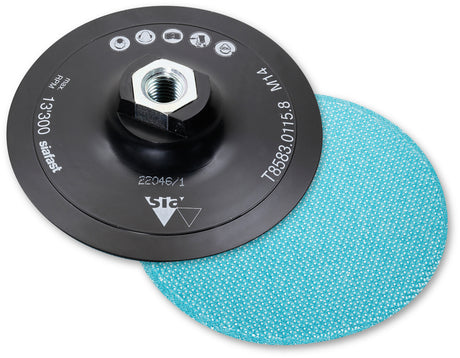
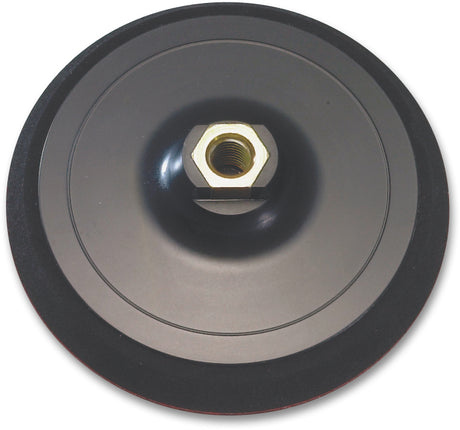
SIA Abrasives siafast 125mm Hard Backing Pad M14 Thread
$32.90$38.16Unit price /UnavailableIn stock 20% off
SIA Abrasives
SIA Abrasives siafast 150mm Soft Backing Pad M14 Thread
$34.90$43.73Unit price /UnavailableIn stock 19% off
Mirka
Mirka Ultimax Ligno Wood Sanding Discs 150mm Pack of 50
$76.50$95.00Unit price /UnavailableIn stock

PROXXON
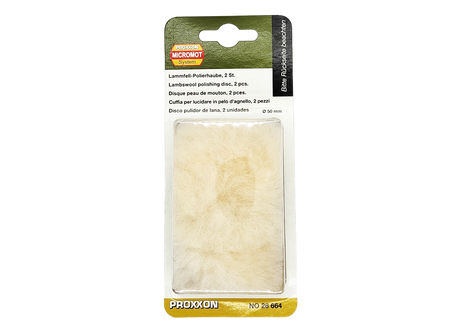
PROXXON Lambswool Polishing Disc 50mm Pack of 2 Hook & Loop Fastening
$17.90Unit price /UnavailableIn stock-
Mirka
Mirka Orbital Sander Interface Pad 81 x 133mm - 7mm 5 Pack
$116.00Unit price /UnavailableIn stock 
SIA Abrasives
SIA Abrasives 2820 siamet Sanding Belt 50 x 1220mm Each
From $15.84Unit price /UnavailableIn stock Sold out
Festool
Festool RO 150mm ROTEX 3-in-1 Random Orbital Sander in Systainer
$1,399.00Unit price /Unavailable 21% off
SIA Abrasives
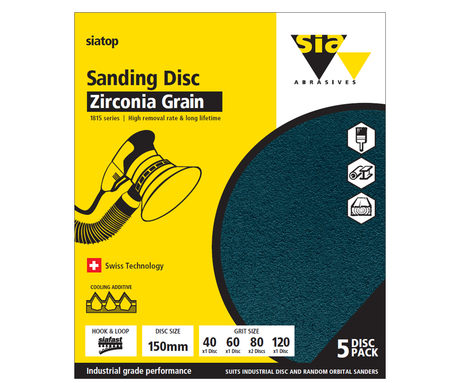
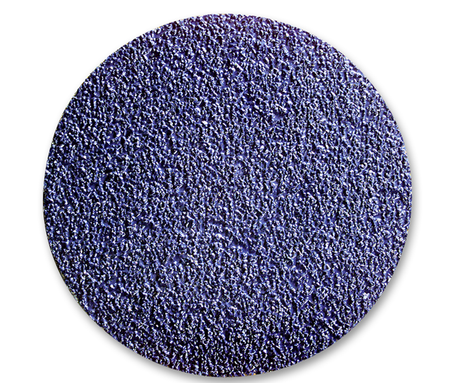
SIA Abrasives 1815 siatop Sanding Disc 150mm Mixed Grit Pack of 5
$12.50$15.82Unit price /UnavailableIn stock





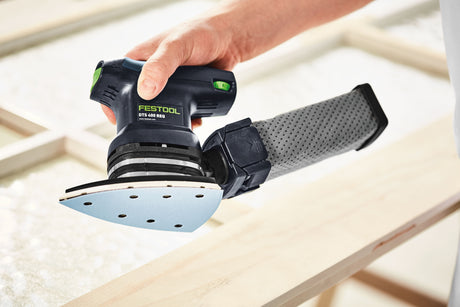




Enhance Your Finish with Quality Sanding Abrasives
Sanding abrasives are crucial in woodworking, offering a wide range of grits and materials to achieve the perfect finish on your projects. Whether you're smoothing rough surfaces or preparing wood for staining, the right abrasive ensures a smooth, professional result. Sanding abrasives are available in various forms, including sheets, discs, belts, and more, each designed to cater to different sanding needs.
The effectiveness of your sanding process depends on choosing the appropriate abrasive for the task at hand. Coarse grits are ideal for heavy material removal, while finer grits are perfect for achieving a smooth finish. Additionally, the material of the abrasive, such as aluminium oxide or silicon carbide, can significantly impact the quality of the sanding process and the durability of the abrasive itself.
Investing in high-quality sanding abrasives not only improves the efficiency of your work but also extends the lifespan of your tools and reduces the need for frequent replacements. With the right selection of abrasives, you can enhance the overall quality of your woodworking projects, ensuring a flawless finish every time.
Whether you're working on intricate detailing or large-scale projects, understanding the different types of sanding abrasives and their applications will help you achieve better results with less effort.
FAQs
What are the different types of sanding abrasives available?
Sanding abrasives come in various forms, including sheets, discs, belts, and rolls, each suited for different sanding tools and applications.
How do I choose the right grit for my project?
The grit size depends on the task—coarse grits (40-60) are used for heavy material removal, medium grits (80-120) for smoothing surfaces, and fine grits (150-400) for finishing.
What is the difference between aluminium oxide and silicon carbide abrasives?
Aluminium oxide is durable and suitable for sanding wood and metals, while silicon carbide is sharper and works well on hard materials like glass and stone.
How often should I replace my sanding abrasive?
Replace your sanding abrasive when it becomes clogged, loses its effectiveness, or when you notice reduced performance. High-quality abrasives last longer with proper use.
Can I use the same abrasive for sanding wood and metal?
While some abrasives can be used for both, it's generally better to use abrasives specifically designed for the material you're working with to achieve the best results.
How do I prevent clogging when sanding?
To prevent clogging, choose the correct abrasive for the material, ensure proper dust extraction, and consider using abrasives with anti-clog coatings.
What is the best way to store sanding abrasives?
Store sanding abrasives in a cool, dry place away from direct sunlight and moisture to prevent degradation and maintain their effectiveness.
Why is it important to sand in stages?
Sanding in stages, starting with coarse grit and progressing to finer grits, ensures an even surface and prevents deep scratches, leading to a smoother finish.
Can I use water with sanding abrasives?
Wet sanding can be done with water-resistant abrasives like silicon carbide, which helps reduce dust and achieve a finer finish, especially on metal and plastics.
What are the benefits of using sanding discs over sheets?
Sanding discs are ideal for use with power tools, providing faster material removal and better consistency on large surfaces, while sheets are more versatile for hand sanding and detailed work.