




-
Clearance34% off
Dasqua
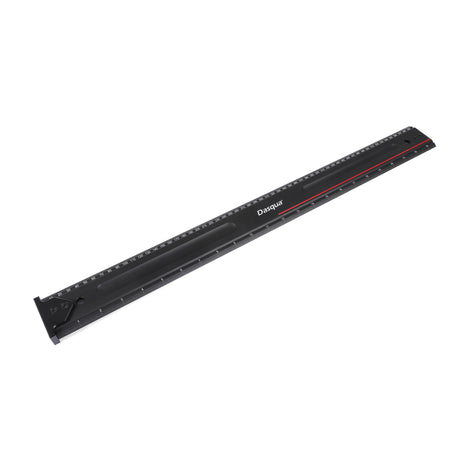
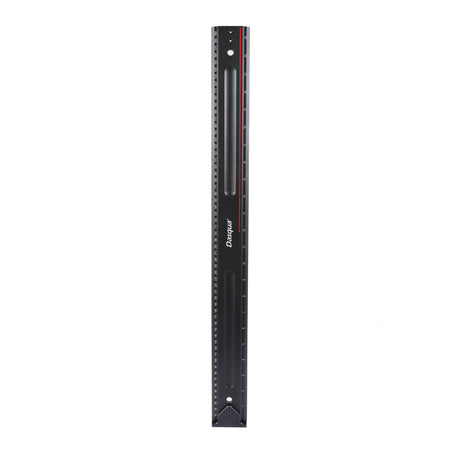
Dasqua Measuring Rule with Hook Stop 600mm 24in Long Metric & Imperial
$32.90$49.90Unit price /UnavailableLow stock (2 units) -
Clearance25% off
Incra
Incra Precision T-Rules Metric & Imperial
From $43.50$57.90Unit price /UnavailableIn stock 

-
![Trend Digital Angle Rule 360 Degrees Stainless Steel]()
![Trend Digital Angle Rule 360 Degrees Stainless Steel]() 10% off
10% offTrend
Trend Digital Angle Rule 360 Degrees Stainless Steel
From $49.00$54.50Unit price /UnavailableIn stock -


Swan Tool Group
Swan Tool Group RED TAIL Offset Ruler 200mm
$57.90Unit price /UnavailableIn stock
Swan Tool Group
Swan Tool Group FALCON Depth Stop suits Speed Squares
$47.91Unit price /UnavailableIn stock-
15% off







Rulers & Straight Edges – Precision Measuring and Marking Tools
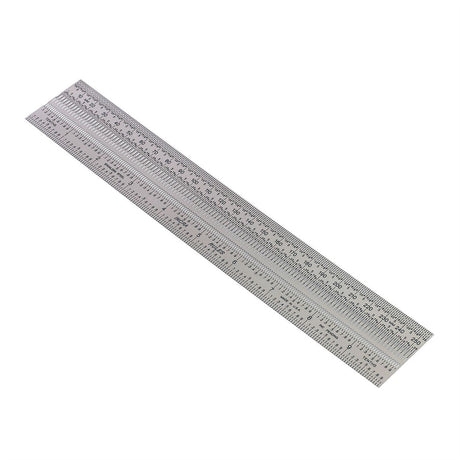
Rulers and straight edges are essential woodworking measuring tools for accurate layout, marking and checking timber surfaces. From precision steel rulers to long aluminium straight edges, the range offers practical solutions for furniture making, cabinetmaking and general workshop applications. Accurate measurements help ensure consistent results throughout every stage of a woodworking project.
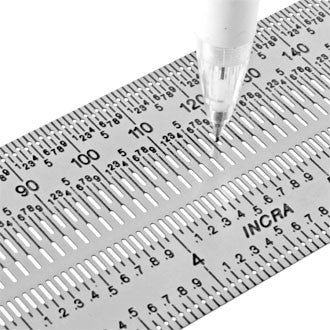
Precision marking rulers feature clearly defined metric graduations for accurate measuring and layout work. Selected designs include fine marking holes, T-shaped heads, hooked ends and angled edges, making it easier to position measurements and transfer marks onto timber. Stainless steel construction provides durability for regular workshop use.
Straight edges are particularly useful for checking the flatness of timber boards, workbenches and machinery surfaces. Available in different lengths and materials, including hardened steel and aluminium, they provide a reliable reference for identifying gaps, uneven surfaces and alignment issues. Longer straight edges are ideal for checking larger workpieces and workshop equipment.
FAQs
Which ruler is best for woodworking?
Stainless steel rulers are ideal for general woodworking measurements, while precision marking rulers provide greater accuracy for detailed layout work. Choose a ruler based on the required length, graduations and marking features.
How are straight edges used in woodworking?
Woodworking straight edges are used to check timber flatness, identify uneven surfaces and verify machinery alignment. Their accurately machined edges provide a reliable reference for workshop setup and precision woodworking.
When should you use a flexible ruler?
Flexible steel rulers are useful for measuring and marking curved or contoured surfaces. Their bendable construction allows them to follow gentle curves where a rigid woodworking ruler may be difficult to position.
How does a ruler stop help with measuring?
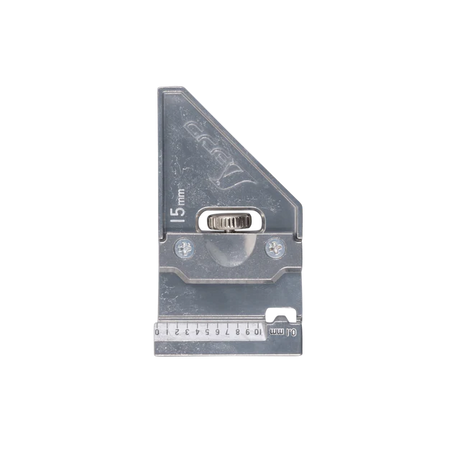
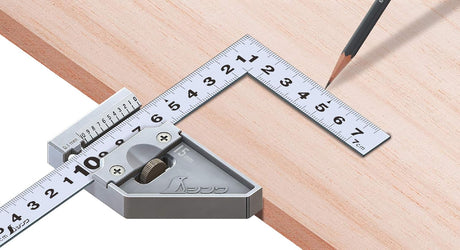
A ruler stop attaches to a compatible ruler to establish a repeatable measuring reference. It helps woodworkers transfer consistent dimensions, mark multiple workpieces and reduce errors during repetitive layout tasks.
What's the difference between a ruler and a straight edge?
A ruler features measurement graduations for determining dimensions and marking distances. A straight edge primarily provides an accurate reference for checking straightness, flatness and alignment, although some designs include measuring scales.