



Narex
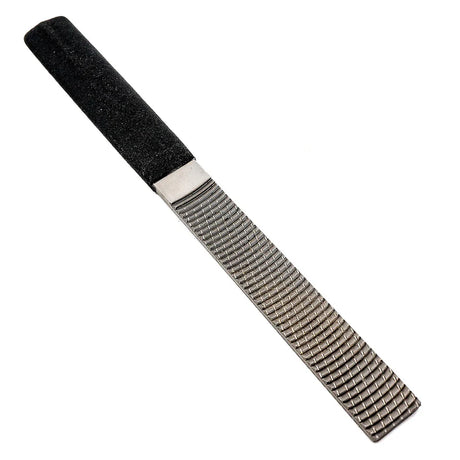
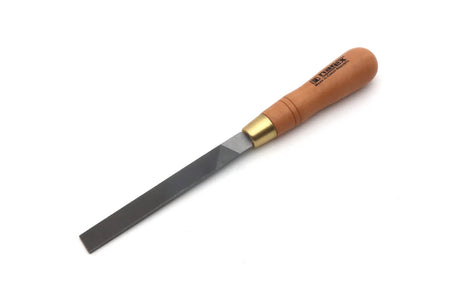
Narex Flat Engineers File 150 x 16mm Double-Cut Timber Handle
$20.90Unit price /UnavailableIn stock-
Narex
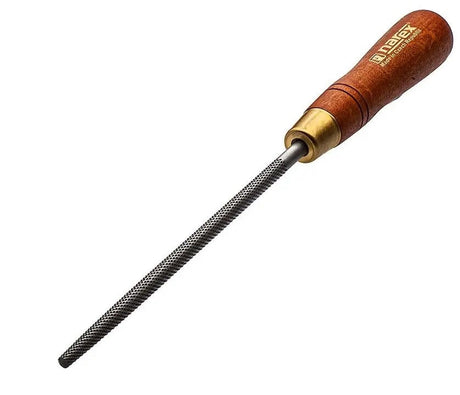
Narex Round Engineers File 150 x 6mm Double-Cut Timber Handle
$19.90Unit price /UnavailableLow stock (2 units)  10% off
-
Narex
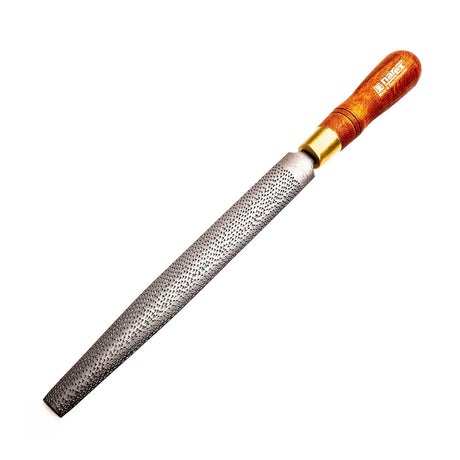
Narex Round Engineers File 200 x 8mm Double-Cut Timber Handle
$19.90Unit price /UnavailableIn stock -
-
Narex
Narex Set of 3 250mm Engineers Files Double-Cut Timber Handle
$71.90Unit price /UnavailableIn stock -
-
Narex
Narex Hand Stitched Cabinet Rasp Half Round Coarse 250mm
$169.00Unit price /UnavailableIn stock -
Narex
Narex Hand Stitched Cabinet Rasp Half Round Medium 250mm
$209.00Unit price /UnavailableIn stock -
Narex
Narex Hand Stitched Cabinet Rasp Half Round Fine 250mm
$275.00Unit price /UnavailableIn stock

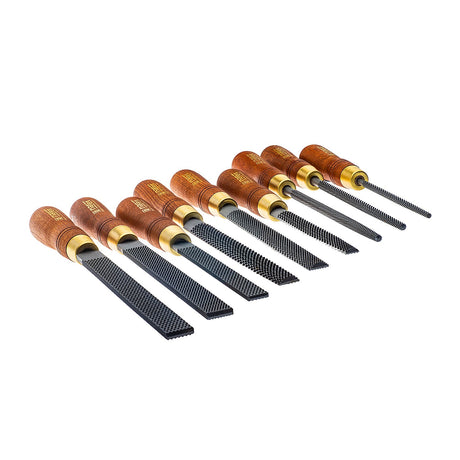
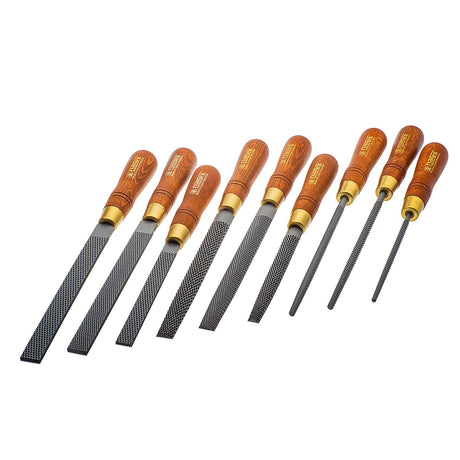


Wood Rasps and Woodworking Files for Precision Shaping and Finishing
Wood rasps and woodworking files are essential hand tools for shaping, refining and finishing timber with precision. Unlike chisels or planes that remove larger amounts of material, rasps and files allow woodworkers to gradually sculpt curves, smooth irregular edges and fine-tune joinery with excellent control. They are invaluable for furniture making, carving, instrument building, green woodworking and countless other projects where accuracy and surface quality matter.
While rasps and files may appear similar, they serve different purposes. Rasps feature individually raised teeth that remove material quickly, making them ideal for rapidly shaping hardwoods and softwoods. Woodworking files have precisely cut teeth that produce a finer finish and are commonly used after rasp work to smooth surfaces and prepare timber for sanding. Many woodworkers use both tools together to achieve clean, accurate results with minimal effort.
Choosing the right rasp or file depends on the material, desired finish and the shape being created. Cabinet rasps, hand-stitched rasps, half-round files, flat files, round files and needle files each excel in specific applications. Coarse teeth provide faster stock removal, while finer cuts offer greater control and a smoother surface. Selecting the correct profile allows easier access to concave, convex and flat surfaces without damaging surrounding timber.
Proper care will ensure rasps and files continue performing at their best for years. Keeping the teeth clean with a file card prevents clogging, while storing tools separately avoids damage to the cutting surfaces. Using moderate pressure and allowing the tool to cut naturally produces cleaner results, extends tool life and gives woodworkers greater control over every shaping task.
FAQs
What is the difference between a wood rasp and a woodworking file?
A wood rasp has individually raised teeth designed for rapid material removal and shaping, while a woodworking file has precision-cut teeth that produce a finer finish. Many projects benefit from using a rasp first, followed by a file for final refinement.
What types of woodworking projects use rasps and files?
These tools are commonly used for shaping chair components, carving details, refining joinery, fitting timber parts, creating curved profiles, instrument making, spoon carving and finishing decorative woodworking projects.
What is a half-round rasp or file used for?
A half-round tool combines a flat face with a curved face, making it extremely versatile for shaping both flat surfaces and inside curves. It is one of the most popular profiles for general woodworking applications.
Can wood rasps be used on hardwood?
Yes. Quality wood rasps are designed to work effectively on both hardwoods and softwoods. Harder timbers may require slightly lighter cutting pressure, but a sharp rasp will remove material efficiently while maintaining good control.
How do I clean a woodworking file?
A file card or stiff wire brush is the best tool for removing sawdust and timber fibres trapped between the teeth. Regular cleaning keeps the cutting edges effective and reduces the risk of scratching the workpiece.
What is a hand-stitched rasp?
A hand-stitched rasp features individually formed teeth that create a more random cutting pattern than machine-cut rasps. This generally produces smoother surfaces, reduces chatter and offers greater control during shaping.