




Mirka
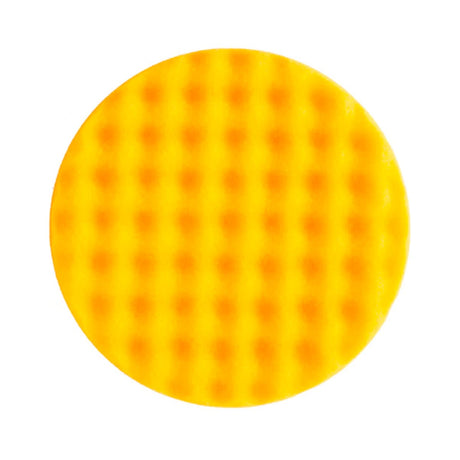
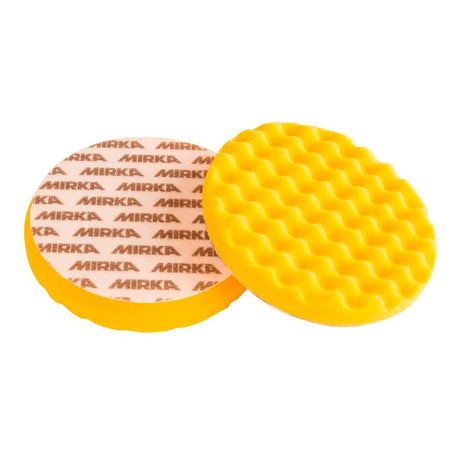
Mirka Polishing Foam Pad 150 x 25mm Yellow Waffle 2 Pack
$80.00Unit price /UnavailableIn stock-
Mirka
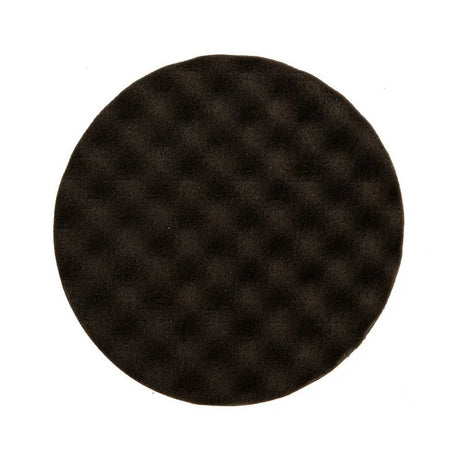
Mirka Polishing Foam Pad 150 x 25mm Black Waffle Pack of 2
$50.00Unit price /UnavailableIn stock 
-
-
-


PROXXON
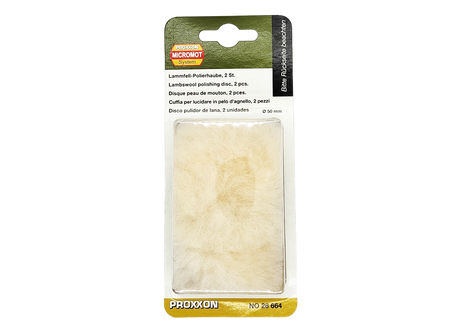
PROXXON Lambswool Polishing Disc 50mm Pack of 2 Hook & Loop Fastening
$17.90Unit price /UnavailableIn stock
 Clearance23% off
PROXXON
PROXXON Conical Polishing Sponges 50mm Pack of 2 Hook & Loop Fastening
$14.50$18.90Unit price /UnavailableIn stock-
Clearance13% off
Mirka
Mirka Polishing Foam Pad 85 x 25mm Yellow Waffle 2 Pack
$32.90$38.00Unit price /UnavailableVery low stock (1 unit) -
Clearance13% off
Mirka
Mirka Polishing Foam Pad 85 x 25mm Black Waffle Pack of 2
$32.90$38.00Unit price /UnavailableVery low stock (1 unit)  Clearance22% off
PROXXON
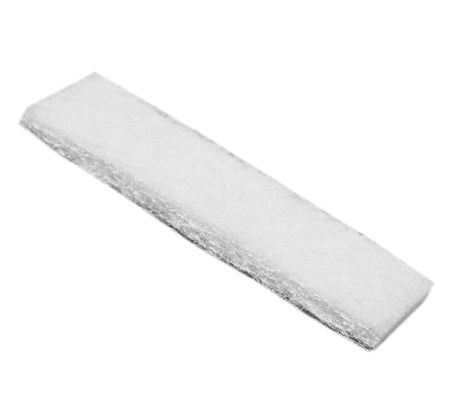
PROXXON Polishing Felts Medium Hard Pack of 2 Hook & Loop Fastening
$10.90$13.90Unit price /UnavailableVery low stock (1 unit)-
Trend
Trend Assorted Flexible Finishing Pads 150 x 230mm Pack of 3
$18.90Unit price /UnavailableIn stock -
Trend
Trend Medium Flexible Finishing Pads 150 x 230mm Pack of 3
$18.90Unit price /UnavailableIn stock -
Trend
Trend Coarse Flexible Finishing Pads 150 x 230mm Pack of 3
$18.90Unit price /UnavailableIn stock -
Trend
Trend Fine Flexible Finishing Pads 150 x 230mm Pack of 3
$18.90Unit price /UnavailableIn stock




Wood Polishing Tools and Supplies for a Smooth, Refined Finish
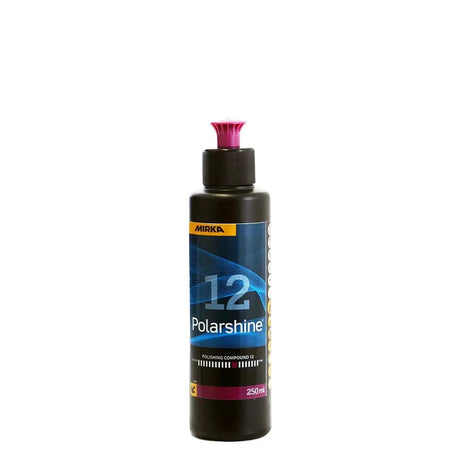
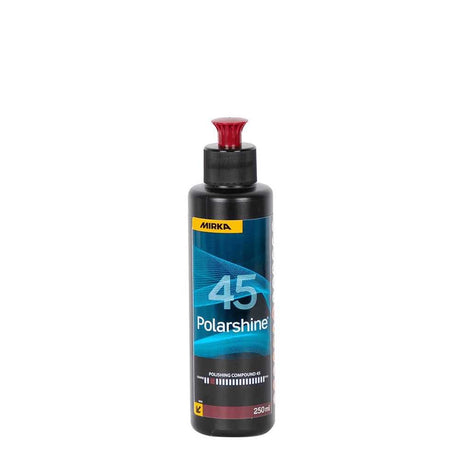
Polishing is an important final stage in many woodworking and finishing projects, helping to refine a surface, enhance its sheen and bring greater clarity to the underlying timber or coating. Wood polishing products can be used on furniture, cabinetry, turned work, decorative pieces and other finished timber surfaces. Depending on the finishing system, polishing may involve compounds, waxes, buffing accessories or fine abrasives designed to progressively remove minor surface imperfections and create a more consistent appearance.
A good polishing result starts with suitable surface preparation. Polishing is not generally a substitute for sanding or correcting significant defects, so scratches, dust nibs, uneven coatings and other imperfections should be addressed at the appropriate stage of the finishing process. Where a cured finish is being polished, progressively finer abrasives or polishing compounds can help reduce fine scratches before the surface is brought to its desired level of gloss. Always confirm that the coating has cured sufficiently before cutting or polishing it.
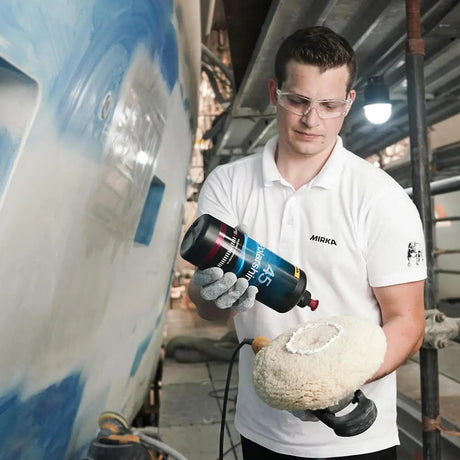
Polishing can be performed by hand or with suitable powered equipment. Hand polishing provides excellent control around edges, profiles and smaller workpieces, while powered buffing can make larger surfaces and repetitive work more efficient. Buffing wheels, mops and pads vary in material and firmness, and should be matched to the polishing compound, finish and stage of the process. When using machinery, excessive pressure or speed can generate heat, so light passes and regular inspection of the surface are preferable.
FAQs
What is wood polishing used for?
Wood polishing is used to refine the appearance and feel of a timber surface or its applied finish. Depending on the product and technique, polishing can reduce very fine scratches and surface imperfections, improve clarity and produce a more even sheen. It is commonly used as one of the final stages when finishing furniture, cabinetry, woodturning and decorative woodworking projects.
What is the difference between sanding and polishing wood?
Sanding primarily shapes, smooths and prepares timber or a coating by removing material with abrasive particles. Polishing generally takes place later and uses much finer abrasives, compounds or buffing processes to refine small imperfections and develop the desired surface appearance. A well-prepared surface usually produces better polishing results than attempting to remove significant scratches during the polishing stage.
Can polishing compound be used directly on bare timber?
Many polishing compounds are intended for use on cured finishes rather than directly on unfinished timber. Applying them to porous bare wood may leave residues in the grain and may not produce the intended result. Check the compound manufacturer's instructions to determine which surfaces and finishing systems it is designed to polish.
Can I polish wood by hand instead of using a machine?
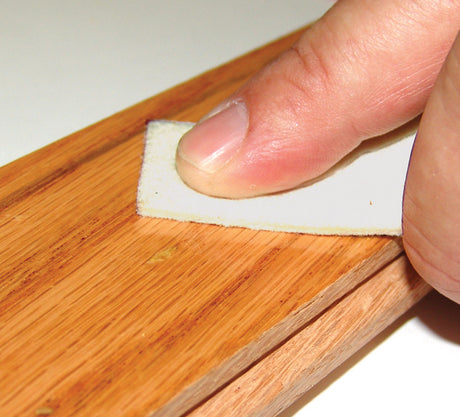
Yes. Hand polishing can be particularly useful for small projects, curved components, mouldings, edges and areas where precise control is required. Suitable compounds can typically be worked with the recommended cloth or applicator. Powered polishing can save time on larger areas, but hand polishing remains an effective approach when used with an appropriate product and technique.
Why am I getting swirl marks when polishing?
Visible swirls or fine scratches can result from abrasive contamination, an unsuitable pad or compound, excessive pressure, or insufficient refinement during an earlier stage. Keep polishing accessories clean and consider dedicating individual pads, cloths or mops to specific compounds. Progressing through appropriate abrasive grades rather than jumping directly from a coarse stage to a very fine polish can also help produce a more uniform finish.
How do I prevent overheating when machine polishing?
Use light pressure, keep the polishing accessory moving and avoid concentrating friction in one spot for an extended period. Excessive speed, pressure or dwell time can generate heat that may damage some finishes or workpieces. Pay particular attention around edges and corners, where the coating can be thinner and easier to polish through.