



Luban
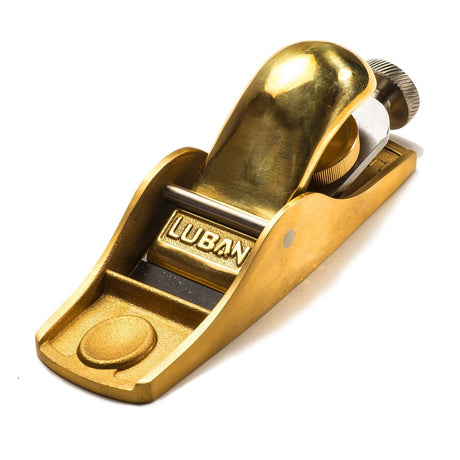
Luban Bronze Knuckle Cap Apron Hand Plane 20 degree Bed Angle
$139.90Unit price /UnavailableIn stock
 Sold out
-


-


-
-
Sold out





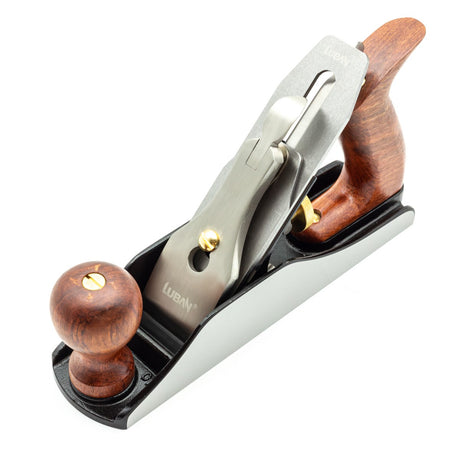


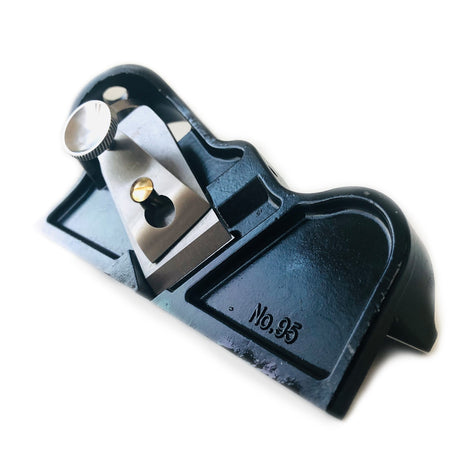
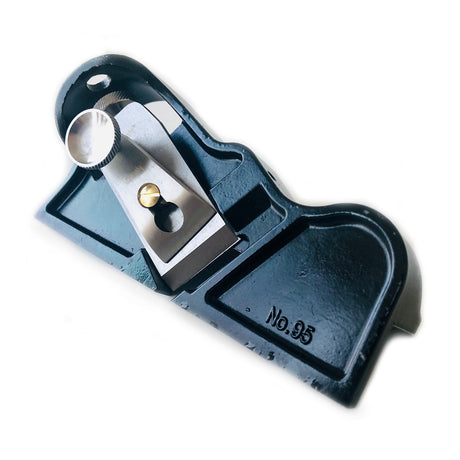
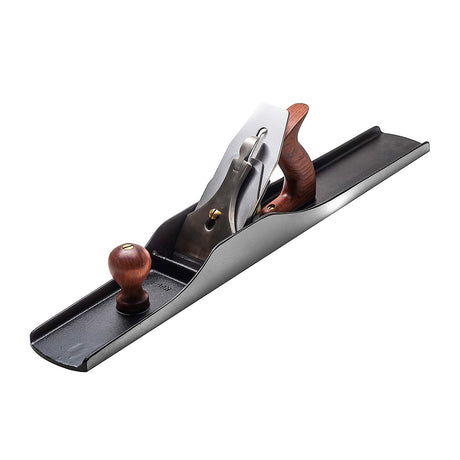

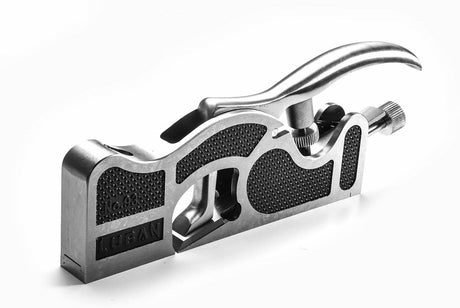
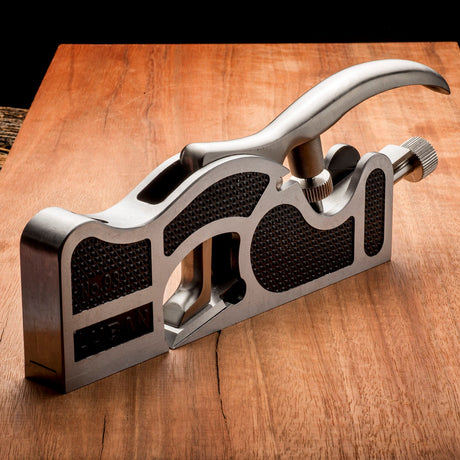
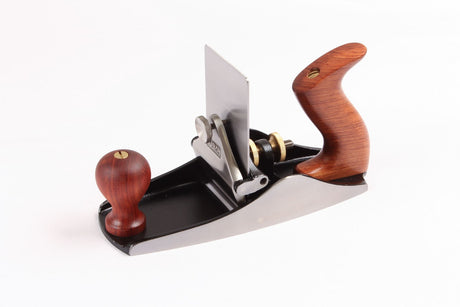
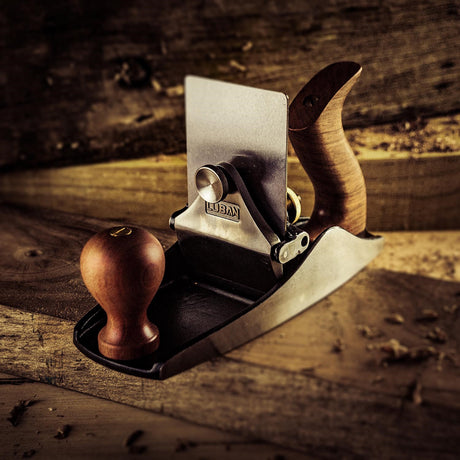
Luban Hand Planes for Precision Woodworking
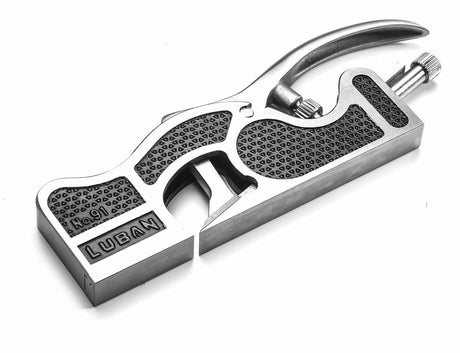
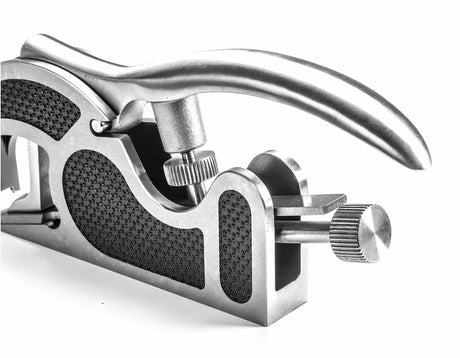
Luban hand planes are precision woodworking tools suited to tasks ranging from preparing rough-sawn timber to creating fine, finish-ready surfaces. Traditional bench plane designs allow woodworkers to flatten faces, straighten edges, remove milling marks and refine components to their final dimensions.
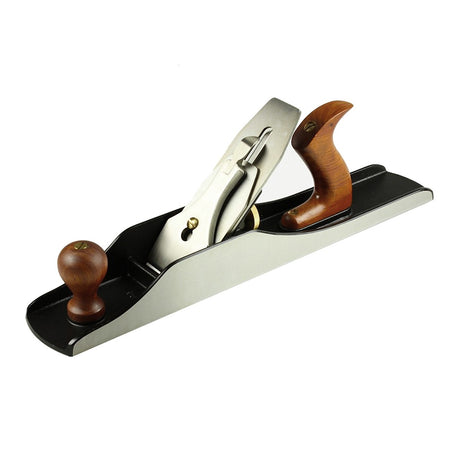
Common Luban bench planes include smoothing, jack and jointer-style planes. A smoothing plane is typically used for fine finishing cuts and removing minor surface imperfections, while the versatile jack plane can handle general stock preparation, levelling and dimensioning. Longer fore and jointer planes are particularly useful when establishing flat faces and straight edges because their longer soles bridge small hollows in the timber. Block planes provide a compact alternative for trimming end grain, chamfering edges and making small fitting adjustments.
Accurate hand planing depends as much on setup and technique as it does on the plane itself. The blade should be kept extremely sharp, with the depth of cut and lateral adjustment set so that the shaving is appropriate for the job. Coarser cuts can speed up initial preparation, while a very fine blade projection is preferable when smoothing a finished surface. Reading the grain before planing and changing direction when necessary can also substantially reduce tear-out, particularly on figured or reversing grain.
FAQs
What are Luban hand planes used for?
Luban hand planes can be used for flattening timber, straightening edges, reducing boards to final dimensions, smoothing surfaces and making precise fitting adjustments. The exact application depends on the type and length of the plane. Bench planes are commonly used for stock preparation and surface finishing, while block and specialist planes are useful for smaller trimming and joinery tasks.
Which hand plane should a beginner buy first?
A jack plane is often a practical first bench plane because it can perform a broad range of woodworking tasks. It can remove material during initial preparation, flatten and straighten timber and, when fitted with a finely sharpened blade and set for a light cut, perform relatively fine surface work. A block plane is also a useful addition for trimming, chamfering and smaller fitting jobs.
What is the difference between a smoothing plane and a jack plane?
A smoothing plane has a relatively short sole and is primarily intended to take fine shavings from an already flat or nearly flat surface. A jack plane is longer and generally more versatile, making it suitable for stock preparation, flattening and general bench work. The shorter smoother follows local variations more readily, whereas the longer jack plane bridges smaller depressions and is therefore more useful during the flattening process.
When should I use a jointer plane?
A jointer plane is particularly useful for flattening larger workpieces and producing long, straight edges. Its long sole references a greater area of the timber, helping it remove high spots rather than simply following an uneven surface. This makes a jointer plane especially useful when preparing board edges for accurate joints or flattening long furniture components.
What is a block plane best used for?
Block planes are compact tools commonly used for trimming components to fit, working end grain, removing sharp corners, creating small chamfers and performing other one-handed planing operations. Their size makes them convenient for work that would be awkward with a full-sized bench plane. A sharp blade and light cut are particularly important when planing end grain.
Do new Luban hand planes need sharpening before use?
Even when a new plane iron arrives with a prepared cutting edge, honing it to a fine edge before serious woodworking is good practice. Hand plane performance is highly dependent on blade sharpness. A properly honed iron requires less effort, produces cleaner shavings and is better able to deal with difficult grain. The cutting edge should then be re-honed periodically rather than waiting until it becomes noticeably blunt.
How do you set a hand plane for fine shavings?
Begin with the cutting iron retracted and gradually advance it until the blade just begins to take a shaving. Use the lateral adjustment to make the cutting edge project evenly across the sole, then make very small depth adjustments until the desired shaving is achieved. For final smoothing, a sharp iron, shallow cut and appropriately set mouth can help produce thin, consistent shavings and minimise tear-out.
How can I reduce tear-out when using a hand plane?
First identify the direction of the grain and, where possible, plane with it rather than against it. Keep the blade extremely sharp and use a light cut as the surface approaches its finished condition. Appropriate plane setup can further support the fibres immediately ahead of the cutting edge. Figured timber and reversing grain may require particularly fine cuts, careful changes in planing direction or alternative finishing techniques in difficult areas.
How should a hand plane be maintained?
Keep the blade sharp, clear shavings and dust from the plane after use, and protect exposed metal surfaces from moisture and corrosion. A light application of a suitable rust-preventative can help when the plane is stored, particularly in humid workshops. Periodically inspect the blade, chipbreaker and adjustment mechanisms and remove any resin or debris that could interfere with accurate adjustment.