



Sherwood
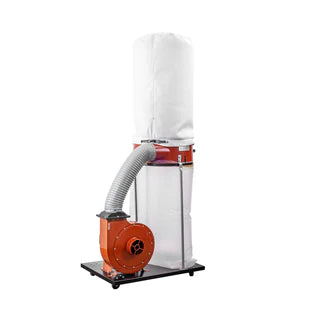
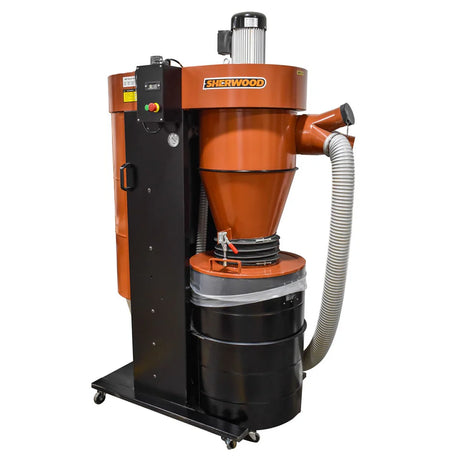
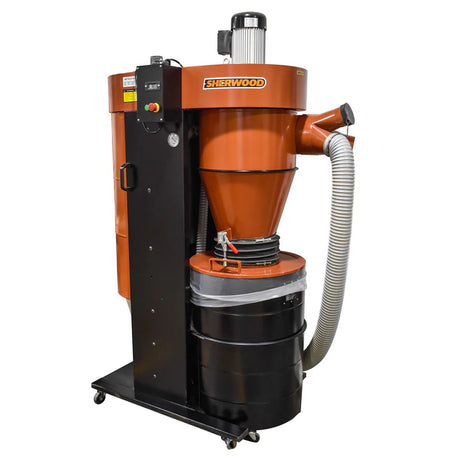
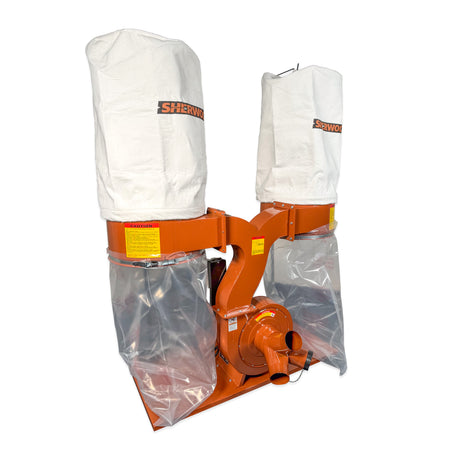
Sherwood 3HP Dust Extractor with Needle Felt Filter Bags Single Stage Dust Collection 2300CFM
$1,599.00Unit price /UnavailableLow stock (2 units)-
Sherwood
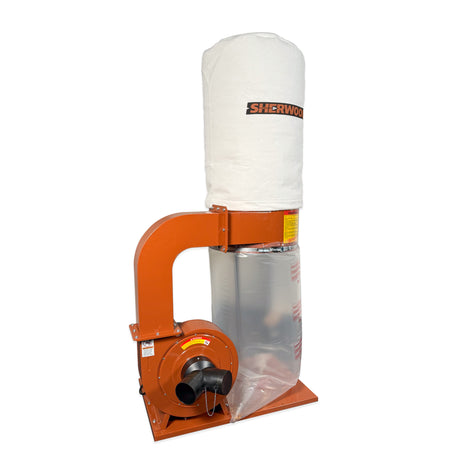
Sherwood 2HP 1500CFM Dust Extractor with Needle Felt Filter Bag Single Stage Dust Collection
$1,099.00Unit price /UnavailableIn stock -


-
Sold out
Sherwood
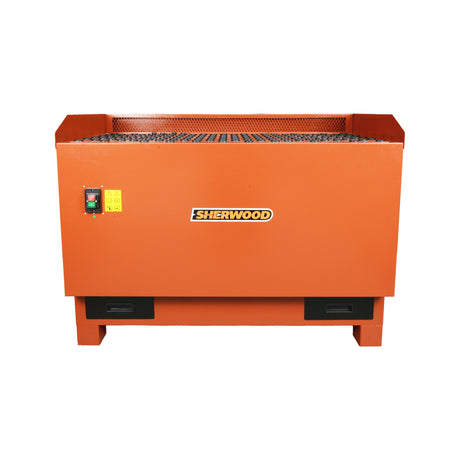
Sherwood Downdraft Table 1235 x 610mm Worktable Adjustable Height for Dust-Free Sanding
$799.00Unit price /Unavailable -
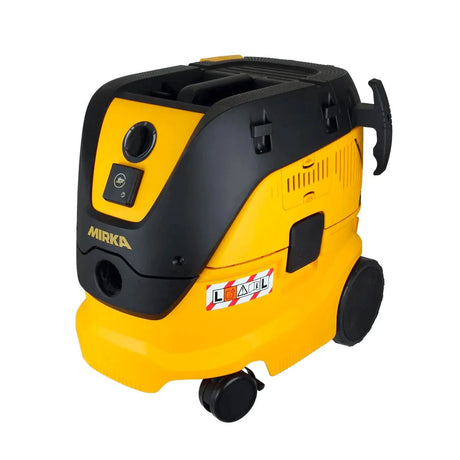
Mirka
Mirka DEXOS 1217 M Class AFC Dust Extractor with 4m Hose
$1,650.00Unit price /UnavailableIn stock -
-
Sherwood
Sherwood 1100W Powered Downdraft Table 1235 x 610mm for Dust-Free Sanding
$2,199.00Unit price /UnavailableIn stock 
Festool
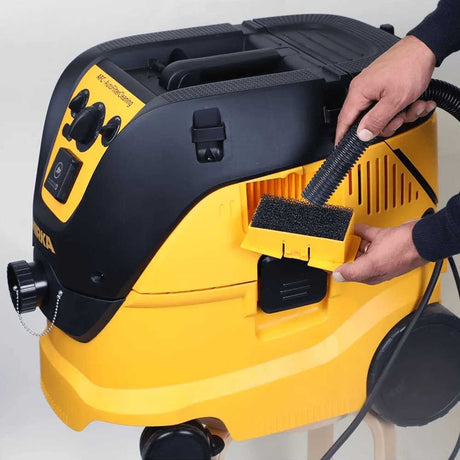
Festool CTM 36L M Class Autoclean Dust Extractor
$1,999.00Unit price /UnavailableVery low stock (1 unit)-

Festool
Festool CT-VA Cyclone Pre Separator for Dust Extraction
$749.00Unit price /UnavailableIn stock 

 Sold out
-
-
 Sold out
 -
Sold out5% off
Sherwood
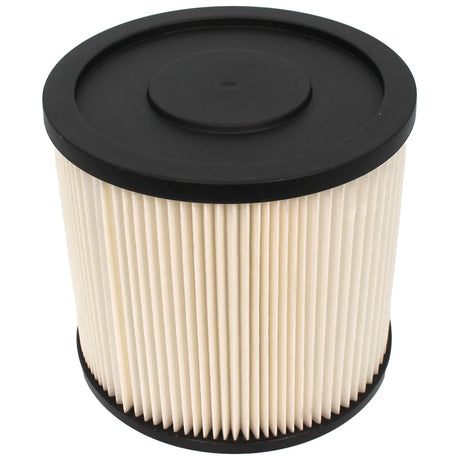
Sherwood 2HP Dust Extractor with HEPA Pleated Filter Cartridge Single Stage Dust Collection 1500CFM
$1,699.90$1,798.00Unit price /Unavailable -
Sherwood
$7,999.00Unit price /UnavailableIn stock






Dust Extractors & Dust Collectors
At Timbecon, we understand the importance of a clean and safe woodworking environment, which is why our range of dust collectors is second to none. Our dust collection systems are designed to effectively remove wood dust, chips, and debris, ensuring a cleaner workshop and better air quality. Whether you're a professional craftsman or a woodworking enthusiast, our dust collector range caters to all needs.
From compact models for smaller workshops to more powerful systems for larger spaces, our dust collector woodworking solutions are built for efficiency and durability. Explore our collection to find the perfect dust management solution for your workspace and experience the difference a quality dust collection system can make in your woodworking projects.
FAQs
What are the benefits of using a dust extractor, and are they essential in a woodworking environment?
Using a dust extractor in woodworking is crucial for maintaining a clean, safe workspace. Benefits include reduced air pollutants, enhanced tool longevity, reduced risk of fire and a tidier work area. They are essential for health and safety compliance, especially in professional settings.
What size and capacity of dust extraction do I need?
Selecting the right dust extraction system involves understanding how different models handle air and debris and comparing that to the size of your workshop. Smaller dust vacuums pull in the air quicker and have a higher CFM (Cubic Feet per Minute), which might seem better at first. However, for larger, two-stage dust extractors, a slightly slower air pull, or lower CFM, is more effective. This slower pace helps them separate the fine dust from larger debris, collecting them into separate sections. So when finding the right dust extractor for your workshop, it's not a matter of going by workshop dimensions but looking at the capacity of your dust extractor.
What power requirements do I need to run your dust extractors?
Our dust extractors typically require 1-3 HP to run effectively, which is suitable for standard electrical setups in most workshops. Larger, more powerful models designed for industrial use might need more powerful electrical configurations.
Are there any safety considerations when using a dust extractor?
Safety considerations include:
- Ensuring proper installation.
- Regular maintenance to prevent clogs or malfunctions.
- Using the extractor in accordance with its intended purpose to avoid any safety hazards.
What types of filtration systems are commonly used in woodworking dust extractors?
Common filtration systems in woodworking dust extractors include Needle Felt Filter Bags and HEPA filters for fine dust. The choice depends on the specific requirements of your woodworking projects and its materials.
How do I know when it is time to clean or replace the filter?
Indicators that it's time to clean or replace your filter include reduced suction power, visible dust accumulation, and increased noise levels. Regular checks and adherence to the manufacturer's maintenance guidelines will help determine the right time.
Can dust extraction help comply with workplace safety and environmental regulations?
Effective dust extraction is critical in complying with workplace safety and environmental regulations, particularly regarding air quality and respiratory health in woodworking environments.
How loud are dust extractors?
The noise level of dust extractors can vary, but generally, they are designed to operate within an acceptable noise range for workshop environments. Some models are specifically engineered to be quieter, reducing the overall noise impact in your workspace.
Can I connect multiple woodworking machines to a single dust extraction system?
Many of our dust extractors are designed to connect to multiple machines simultaneously, maximising efficiency, safety and convenience in your workshop.
Are there mobile or wall-mounted dust collection options available for smaller workshops?
We offer mobile and wall-mounted dust collection options, perfect for smaller workshops where space-saving solutions are essential.
What are the differences between single-stage and two-stage dust extractors?
Single-stage dust extractors collect all debris in one container, while two-stage extractors separate larger chips from finer dust using cyclonic separation, enhancing efficiency and filter longevity.
Can I use a dust extractor for both fine dust and larger wood chips in my shop?
Yes, our dust extractors are designed to handle fine dust and larger wood chips, providing comprehensive dust management in your shop.
Can a dust extractor be integrated with automation or remote control systems?
Many of our dust extractors are compatible with automation and remote control systems. This integration allows for greater convenience, as you can control dust collection from different parts of your workshop. It also helps optimise the dust extraction process, as the system can be programmed to activate or deactivate in sync with the usage of your woodworking machines, enhancing efficiency and user experience.