



Sherwood
Sherwood Dust Extraction Y-Connector Fitting 6in to 4in Twin Outlet Reducer
$13.90Unit price /UnavailableIn stock
Sherwood
Sherwood Dust Extraction 4in Quick Connection Magnetic Coupling Female Wall Mounted
$12.90Unit price /UnavailableIn stock-
Sherwood
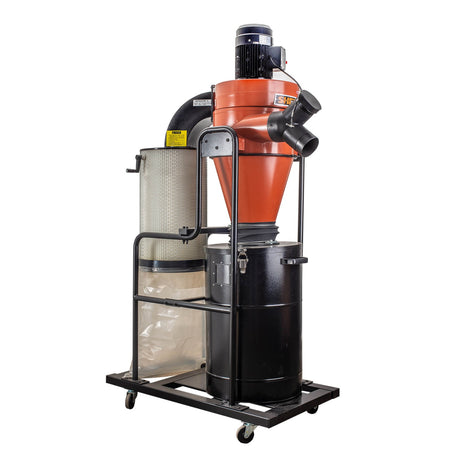
Sherwood 2HP Cyclone Dust Extractor Two-Stage Dust Collection 600CFM
$1,399.00Unit price /UnavailableIn stock 
Sherwood
Sherwood Magnetic Quick Connection Dust Extraction Blast Gate Male Coupling Suits 4in Hose
$32.90Unit price /UnavailableIn stock-
20% off
Sherwood
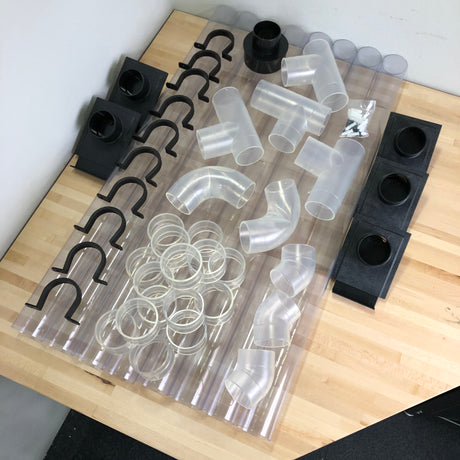
Sherwood 4in Dust Extraction Hood Kit with Threaded Splice Connectors
$51.90$64.90Unit price /UnavailableIn stock 
Sherwood
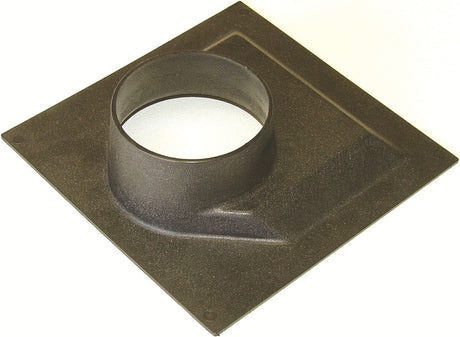
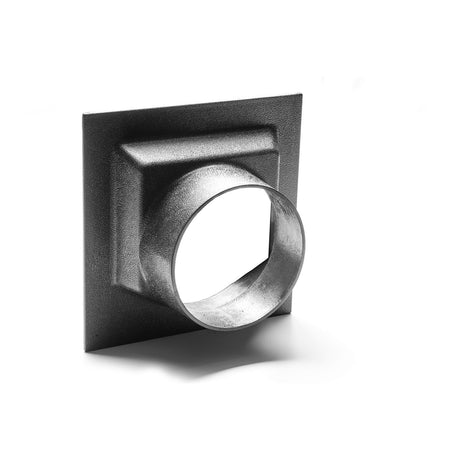
Sherwood 4in Machine Dust Collection Extraction Hood 210 x 210mm
$10.90Unit price /UnavailableIn stock-

iVac
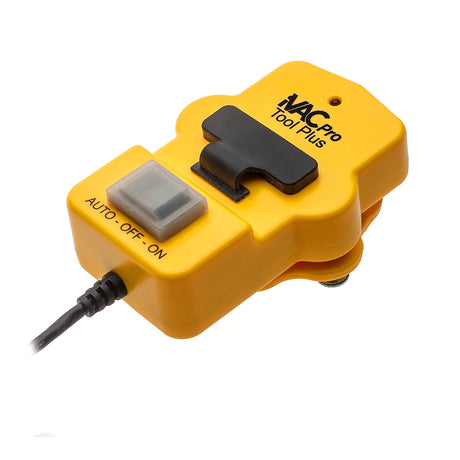
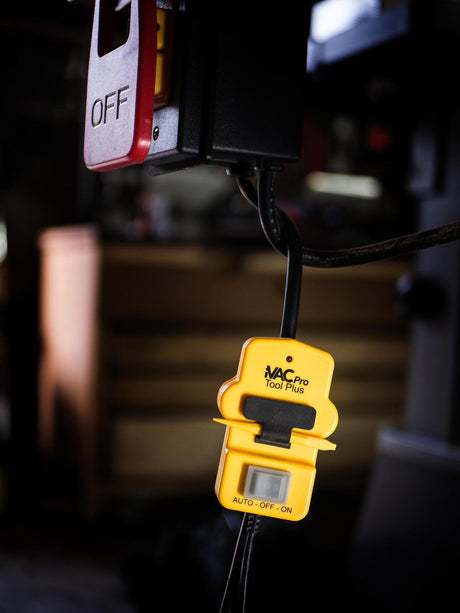
iVac Pro Tool Plus Sensor for Automatic Dust Extraction
$109.90Unit price /UnavailableIn stock -
Sherwood
Sherwood Flex Cuff Connector 6in (152mm) for Dust Extraction Outlets
$24.90Unit price /UnavailableIn stock -
Sherwood
Sherwood Dust Extraction Hood 150 x 88mm suits 2 1/2in Hose
$7.90Unit price /UnavailableIn stock -
Sherwood
Sherwood 2 1/2in Wall Mounted Dust Extraction Kit Workshop Dust Collection 63mm Hose
$225.00Unit price /UnavailableIn stock -
Sherwood
Sherwood 4in Through Wall Dust Extraction Tube 450mm Long
$29.90Unit price /UnavailableIn stock 
 26% off
Sherwood
Sherwood 4in Dust Cyclone Extraction Kit with Vacuum Wand
$259.00$349.00Unit price /UnavailableIn stock
Sherwood
Sherwood Dust Extractor Pleated Filter Cartridges 370x610mm Suits 1HP Units
$249.00Unit price /UnavailableIn stock-
Sherwood
Sherwood SCDC-1500 & 2000 Plastic Drum Collection Bags for Two-Stage Dust Extractor Pack of 10
$49.90Unit price /UnavailableIn stock -
Sherwood
Sherwood 6in Inline Aluminium Blast Gate for Dust Extraction
$34.90Unit price /UnavailableIn stock -
Sherwood
Sherwood Dust Extraction 45 Degree Elbow Fitting 2 1/2in (63mm)
$6.90Unit price /UnavailableIn stock






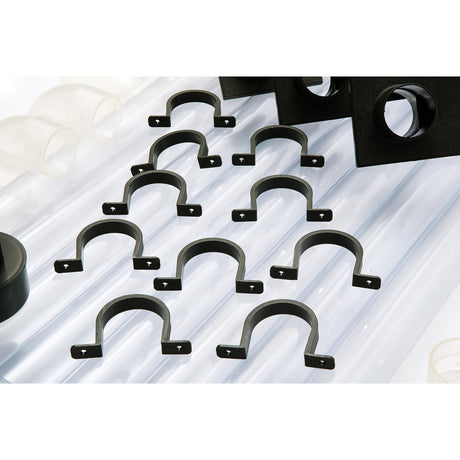


Dust Extraction Systems for a Cleaner and Safer Woodworking Workshop
Effective dust extraction is one of the most important investments for any woodworking workshop. Every cutting, sanding, routing and machining operation produces fine wood dust and larger chips that can affect air quality, reduce machine performance and make cleanup more time-consuming. A well-designed dust extraction system helps capture waste at the source, creating a cleaner workspace while improving visibility and helping woodworking machinery operate more efficiently.
Dust extraction equipment is available in a variety of configurations to suit workshops of all sizes. Portable dust extractors are ideal for connecting to power tools such as sanders, routers and track saws. Cyclone separators, hoses, fittings, blast gates and filters can all be incorporated into a system to improve efficiency and simplify waste collection.
Choosing the right dust extraction solution depends on the machines being used, the volume of dust generated and the layout of the workshop. Airflow, static pressure, hose diameter and filtration efficiency all play a role in overall performance. High-quality filters capable of capturing fine airborne particles help create a healthier working environment, while correctly sized ducting ensures consistent extraction across multiple machines.
Routine maintenance is essential for keeping dust extraction systems performing at their best. Emptying collection bags or bins before they become overfilled, cleaning or replacing filters as required, checking hoses for blockages and inspecting fittings for air leaks will maximise suction and prolong the life of the equipment. A properly maintained dust extraction system contributes to cleaner machinery, improved workshop safety and more enjoyable woodworking.
FAQs
Why is dust extraction important in woodworking?
Dust extraction helps remove wood chips and fine airborne dust generated during woodworking. This improves workshop cleanliness, enhances visibility, supports machine performance and contributes to a healthier working environment.
Which woodworking machines benefit most from dust extraction?
Table saws, thicknessers, jointers, bandsaws, drum sanders, routers, mitre saws and sanders all benefit from effective dust extraction to improve cleanliness and capture waste at the source.
What is a cyclone dust separator?
A cyclone separator removes most wood chips and larger debris before the airflow reaches the dust extractor or collector. This reduces filter clogging, maintains suction and extends filter life.
How often should dust extractor filters be cleaned?
Filters should be inspected regularly and cleaned or replaced according to the manufacturer's recommendations. Maintaining clean filters helps preserve airflow and ensures the system continues operating efficiently.
Does hose diameter affect dust extraction performance?
Yes. Selecting the correct hose diameter is important for maintaining adequate airflow. Larger stationary machines generally require wider hoses, while portable tools often perform best with smaller diameter hoses matched to their extraction ports.
Can one dust extraction system service multiple machines?
Yes. Many workshops use ducting with blast gates to connect several machines to a single dust collector. Opening only the blast gate for the machine in use helps maintain maximum airflow and extraction efficiency.
How can I improve the performance of my dust extraction system?
Keeping hoses short where practical, minimising sharp bends, sealing air leaks, cleaning filters regularly and emptying collection bins before they become full will all help maximise suction and airflow.
What should I look for when choosing a woodworking dust extraction system?
Consider airflow capacity, filtration efficiency, machine compatibility, workshop size, noise level, hose diameter and whether you require a portable unit or a larger stationary dust collector. Selecting equipment suited to your workshop will deliver the best long-term performance.